


by Wonsuh Song
We live in an era where YouTube is a stage open to anyone, yet stepping in front of the camera isn’t as simple as it seems. In 2018, I started my YouTube channel to share videos of my trip to Russia with my students, and it took quite a while to reach 3,000 subscribers. I never anticipated massive view counts from the beginning, but I relied solely on the “power of consistency,” posting videos almost every day. Over time, these videos gradually garnered more views, and I realized that “the algorithm does reward steady effort.”
My content isn’t particularly flashy. When traveling to places like Korea or the United States, I often film the interesting scenery or local foods, and sometimes I capture everyday scenes in Japan. Rather than using AI technologies for elaborate editing, I prefer to record what I experience firsthand. Some people point out that my channel’s themes feel scattered, but I’m driven by the desire to document what genuinely sparks my interest.
Nevertheless, the idea of being a YouTuber still feels somewhat unfamiliar in Japan. Many Japanese people hesitate to put themselves out there unless they’ve achieved top-tier expertise, and some are reluctant to show their faces online. In my own circles, it’s not easy to find fellow YouTubers. In contrast, South Korea has many YouTubers relative to its population, and there’s a strong enthusiasm for trying new things—even without being a certified expert. It’s intriguing to see how these cultural differences shape each country’s YouTube ecosystem.
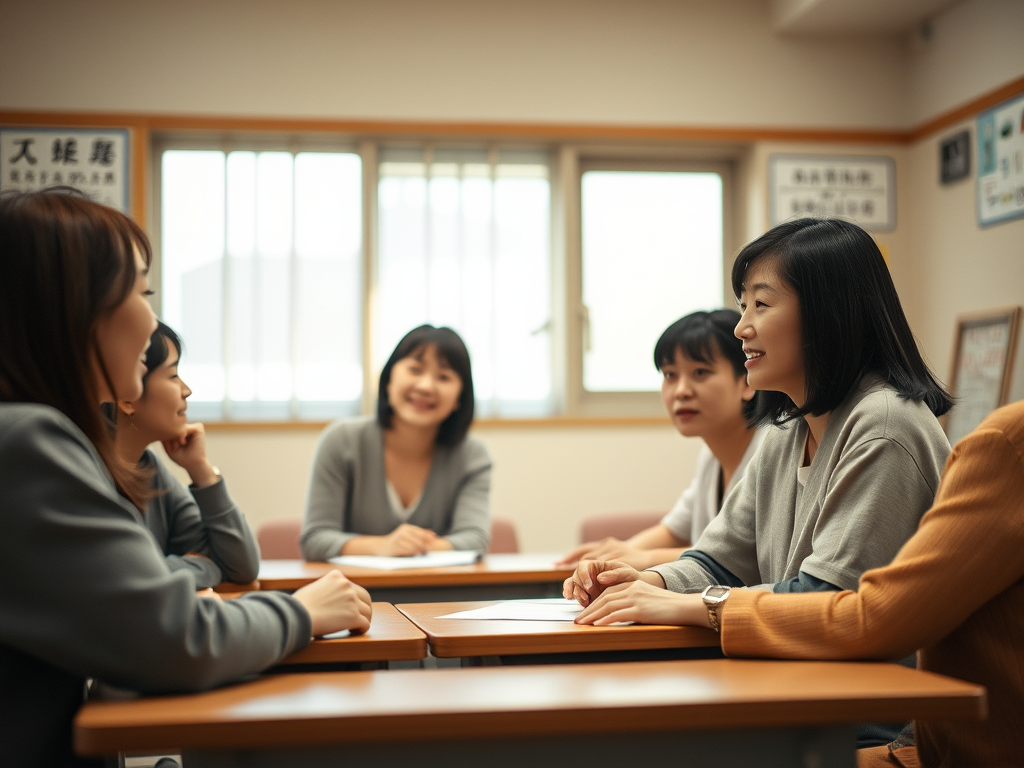
Still, I hope more YouTubers will emerge in Japan. In the digital AI age, video content creation is no longer the exclusive domain of a select few. Motivated by this belief, I launched an educational project at Shumei University, guiding all second-year students majoring in Social Studies (Teacher Education) to debut as YouTubers. I’m convinced that the ability to develop teaching materials, create promotional videos, and communicate with students through video platforms will become increasingly important in future classrooms.
Beyond simply imparting knowledge, I believe the process of planning and editing content is crucial for nurturing the “power of creation.” Even during the pandemic, when in-person classes were not feasible, YouTube videos—such as “study with me” clips or “geography lessons recorded in front of the camera”—helped alleviate students’ sense of isolation. By connecting online, we acknowledged each other’s presence and maintained our learning community.
I believe YouTube can serve as a “new kind of classroom,” rather than just a platform for flashy productions or popularity contests. In keeping with the digital era, I hope more Japanese creators will use YouTube to share their voices and personal stories. Though this project may be a small first step, I anticipate that other schools and teachers will join in, enabling more students to connect with the world and deepen their learning through their own unique channels.
Wonsuh Song (Ph.D.)
Full-time Lecturer, Faculty of School Teacher Education, Shumei University
Adjunct Lecturer, Faculty of Education, Waseda University
Visiting Researcher, Center for Spatial Information Science, University of Tokyo








Leave a Reply