

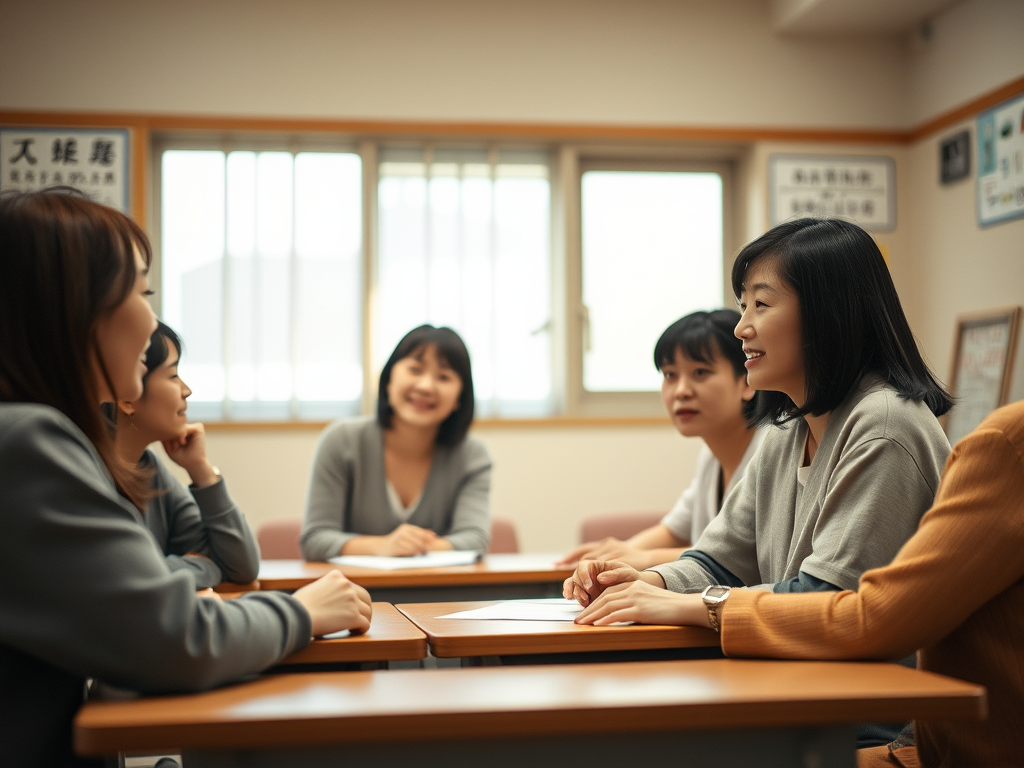
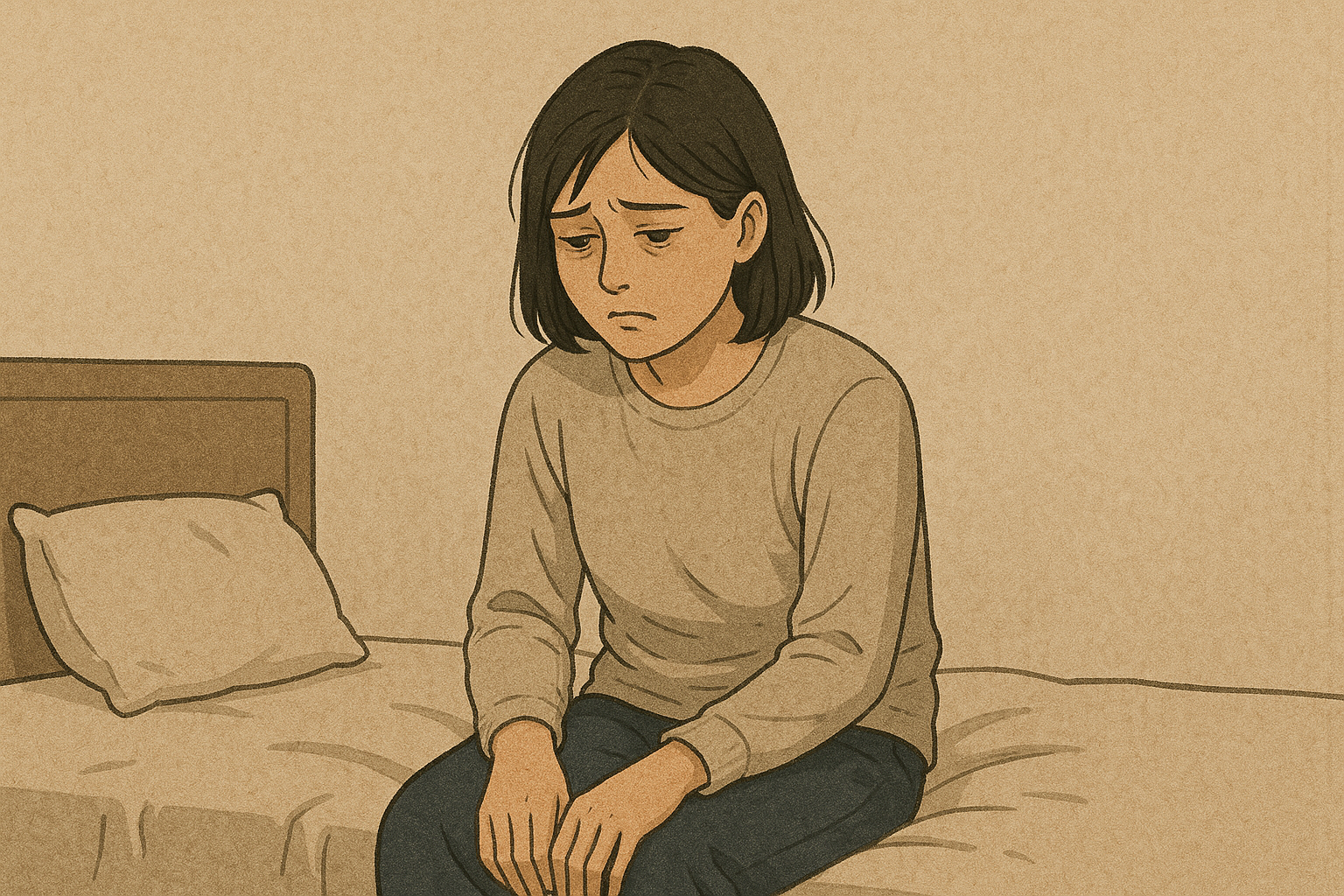
The final meeting of my three-year involvement in the PTA at a Japanese junior high school did not end with a speech or a commemorative photograph. It ended with small tables of four or five mothers asked to “share freely” after listening to the teachers’ explanations. In many Japanese junior high schools, PTA work rests largely on mothers’ shoulders. Fathers are few. This time, every seat was filled by a mother. We were given one hour and ten minutes to talk.
At first, the conversation moved along a predictable track. “My child doesn’t study.” “I don’t know what to do.” “Mine isn’t doing well either.” The remarks were sincere, but they echoed one another. Concern traveled around the table; solutions did not. In both Japan and Korea, parental modesty often requires downplaying one’s child. Yet when worry circulates without strategy, it becomes heavier with each repetition. Time passes. Nothing advances.
The shift came near the end.
A mother I had met before—an avid BTS fan—walked over from another group and casually asked about concert tickets. “Did you win the raffle?” The word raffle, so common in Japan’s ticket system, suddenly rearranged the mood of the table. Until that moment, we had not spoken about K-pop at all. Yet a single shared reference dissolved an hour of polite distance.
A mother nearby leaned in. She, too, liked Korea. “I’m going at the end of March,” she said. Another added, “I’m going in March as well.” I mentioned I would be traveling then, too. Within moments, the table transformed from a circle of cautious concern into a map of dates and destinations. Educational anxiety gave way to concrete plans.
Not everyone at the table cared about pop music. That mattered. If one interest dominates, someone else falls silent. A group that hopes to last beyond PTA cannot rest on fandom alone. So I reframed the proposal. Why not meet in Shin-Okubo next month? We could eat together, exchange information—not only about concerts, but about cram schools, routines, and what is actually working at home. The response was immediate. A hobby opens the door. Daily life keeps it open.
Another social reality also surfaced. In gatherings like these, a quiet center of gravity forms. One person becomes the informal hub. It is not hierarchy; it is balance. If plans advance without that person’s knowledge, friction follows. When the mother who seemed to hold that center passed by, I told her we had created a Shin-Okubo meetup group. She replied at once: “Add me.” And so six of us—out of forty-two families—formed a circle in minutes.
One might call this the power of the Korean Wave. But it is more precisely the adhesive power of shared interests. A hobby can compress distance faster than any formal agenda. Three years of PTA work had already created a quiet foundation of trust—meetings attended, schedules coordinated, responsibilities shared. Taste simply bridged what cooperation had prepared.
My PTA role has ended. The formal responsibility is over. Yet the conclusion does not feel like dispersal. Instead of “Let’s meet someday,” there is now a concrete promise: next month, Shin-Okubo. A date and a place.
Perhaps the true summary of three years in a Japanese junior high school PTA is not found in reports or attendance sheets. It lies in a moment when a drifting conversation is revived by one shared interest and expands into mutual support for everyday life. The world does not always move by grand declarations. Sometimes it moves with a simple question: “Did you win the raffle?”
Sometimes that question is enough to carry six mothers from a school meeting room to a restaurant table in Shin-Okubo.
Wonsuh Song (Ph.D.)
Lecturer, Shumei University / NKNGO Forum Representative










Leave a Reply