By Wonsuh Song
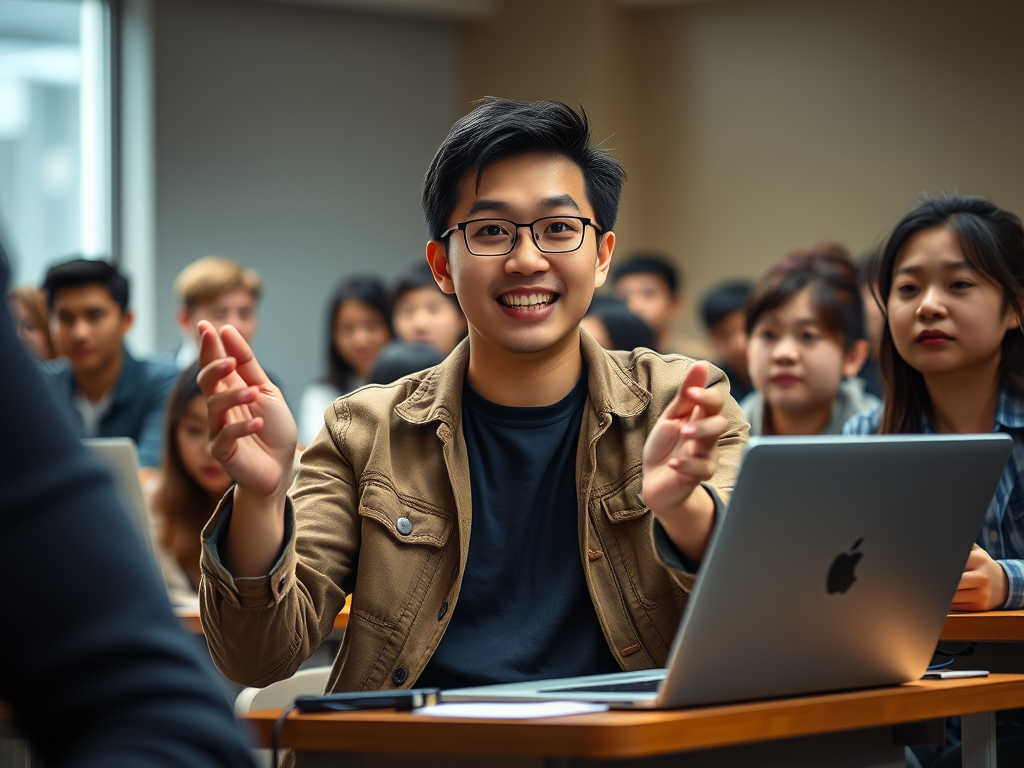
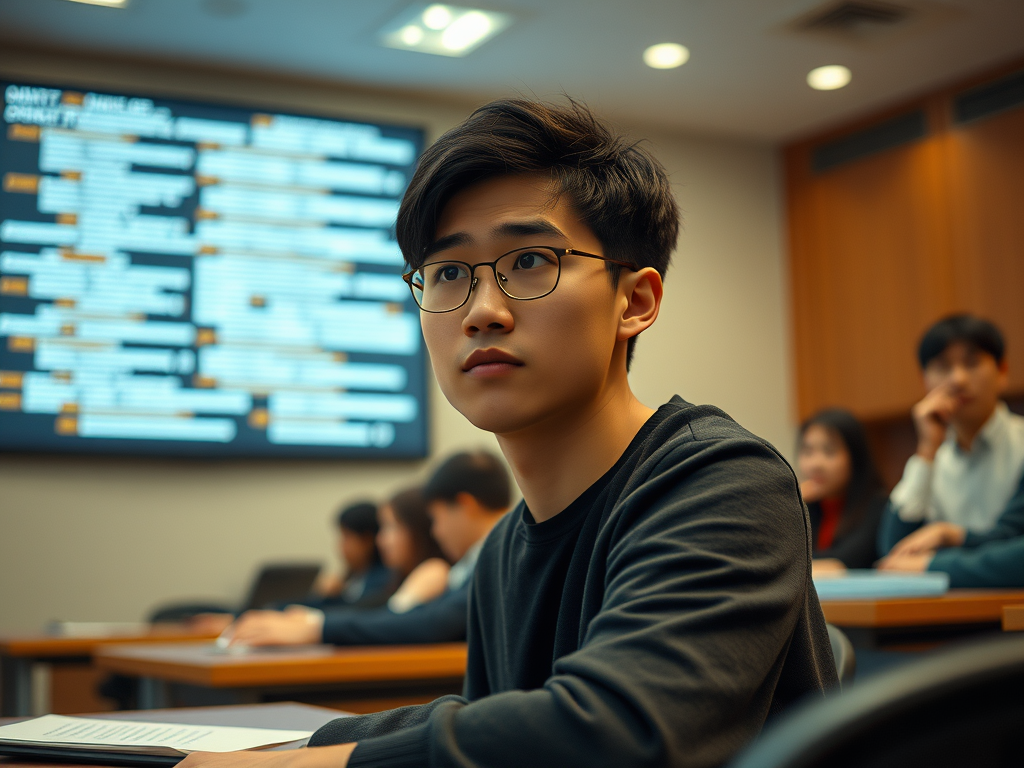
University presentations are a routine part of academic life. Yet a few days ago, a moment in my class overturned that familiar routine entirely. A student transformed the abstract notion of “creativity” into something tangible. He began with a simple looped BGM—nothing unusual. But then he introduced a surprising element: an AI-generated “conversational partner” running on another device. The student conducted his presentation as a dialogue with the AI, creating a performance closer to a small theatrical scene than a typical academic report.
In many classrooms today, students often glance at their smartphones even while presentations are underway. But not on this day. Every student watched intently from start to finish, and even I found it impossible to look away. It was not merely a well-executed presentation; it was an experiment that challenged the very framework of what a presentation could be.
Such creativity does not appear by accident. For the past two years, I have repeatedly told my students:
“Try presenting in a way no one has attempted before.”
There is a reason for this. My students are future middle- and high-school teachers who will educate a generation deeply accustomed to sophisticated digital content. Traditional, speech-centered teaching will not hold their attention. To communicate with the next generation, teachers must innovate in their methods. Change begins not with words but with action.
What made this presentation exceptional was that the student did not simply read an AI-generated script. He constructed the structure, created the narrative, and invented a dialogic format that integrated AI as a partner. This required analysis, interpretation, and reconstruction—processes at the core of genuine creativity.
Last year, I introduced music-based icebreakers and required students to produce their own videos—an exercise in “becoming a YouTuber for once.” This year, I incorporated AI content creation but intentionally withheld detailed instructions. Instead, I offered only a single direction:
“Create content that a second-year middle-school student would stay engaged with until the end.”
Everything beyond that depended on the students’ imagination.
These third-year students will soon step into real classrooms. I am confident that teachers like them will spark meaningful change. One creative teacher can transform a class; that class can change students; and those students can influence other teachers. Educational reform ultimately begins with people, not systems.
Re-training veteran teachers alone will not reform schools. Asking someone who has taught the same way for decades to suddenly adopt AI-driven pedagogy is unrealistic. Real change must begin with the education of future teachers. It may look slow, but it is, in fact, the fastest path forward.
I believe that when these modest experiments accumulate, they will begin to loosen the long-standing inertia of Japanese education and allow a quiet current of change to flow through it.
Wonsuh Song (Ph.D.)
Lecturer, Shumei University / NKNGO Forum Representative





댓글 남기기