

By Wonsuh Song
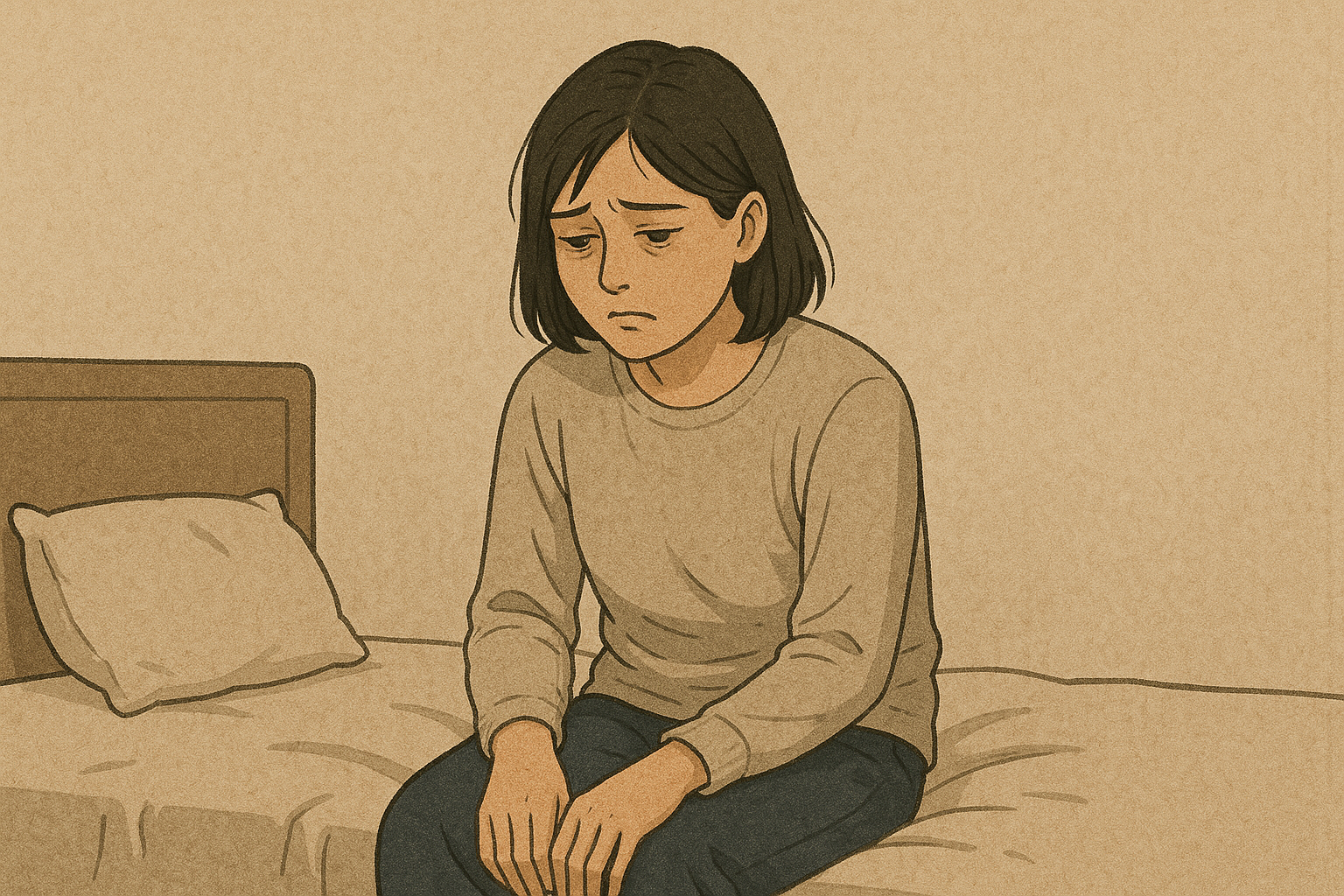
The trial in Tokyo, where a 71-year-old woman is accused of killing her 102-year-old mother with dementia, has sparked shock across Japan. Yet the incident is more than a tragic family case; it exposes the structural collapse of caregiving systems in super-aged societies. The daughter cared for her mother alone. The mother demanded to use the toilet every ten minutes, day and night, remembering nothing from moment to moment. When she fell at 4 a.m., the daughter could not lift her. Even when she called emergency services, she reportedly received no effective assistance. The tragedy occurred just two days before the mother was scheduled to enter a long-term care facility—the final indication that the caregiving burden had reached an unmanageable threshold.
Public reaction in Japan was striking. Online comments overwhelmingly expressed sympathy: “She should be acquitted,” “This is too heartbreaking,” “Many families are in the same situation,” “The government left her alone.” These responses reflect not an attempt to excuse a crime, but a growing recognition that individual households cannot withstand the weight of elder care in a super-aged society.
Japan’s demographic data supports this perception. In 2023, 29.1% of the population was aged 65 or older. In 63.5% of elderly care households, the caregiver is also over 65. And in 35.7%, both caregiver and care recipient are 75 or older. Japan has effectively become a society where the elderly must care for the elderly, and the caregiving frontline relies almost entirely on the physical and mental endurance of older adults themselves.
Korea is advancing toward the same structure—only faster. Korea’s aging rate reached 18.2% in 2024, the fastest rise in the OECD. Dementia patients number 1.02 million, expected to surpass 1.2 million by 2030. Dementia-related social and economic costs stood at 4.2 trillion KRW in 2019, projected to exceed 9 trillion KRW by 2030. Korea is quickly entering an era where people in their seventies will routinely care for parents in their nineties or hundreds.
The policy questions are therefore urgent:
First, Korea must dismantle its family-centered care model and shift to a public-care approach.
When both caregiver and care recipient are elderly, “family responsibility” becomes an unrealistic expectation. Expanding long-term care services, home-visit support, and community-based respite programs must be a national priority.
Second, emergency intervention systems for caregiving crises must be institutionalized.
Care crises are not private issues; they are public emergencies. Korea needs an integrated “Care Command Center” connecting local governments, health centers, 119 emergency responders, and long-term care agencies to ensure immediate action.
Third, waiting periods for facility admission must be drastically reduced.
The Tokyo case shows that the most dangerous moment is often the “last few days” before admission. Korea’s months-long waiting periods create unacceptable risk for caregivers and patients alike.
Fourth, caregiver rest must be recognized as a legal and social right.
When caregivers themselves are elderly, rest becomes a survival requirement, not a luxury.
Fifth, dementia must be addressed not only as a welfare issue but as a national security issue.
It affects national sustainability, labor structures, and social stability.
The daughter who killed her 102-year-old mother cannot be viewed solely as a criminal. She is also a casualty of a system that placed an impossible burden on her. Japan’s widespread sympathy reveals a collective understanding: unless we reform the system, anyone could become the next victim.
Korea must decide now—
Will we continue to rely on families? Or will the state finally take responsibility for care?
The next decade depends on this answer.
Wonsuh Song (Ph.D.)
Full-time Lecturer, Shumei University / NKNGO Forum Representative







댓글 남기기