
By Wonsuh Song
When someone is struggling, we instinctively say, “Cheer up,” or “You can do it.” But these words, though well-meant, can often cut deeper than silence.
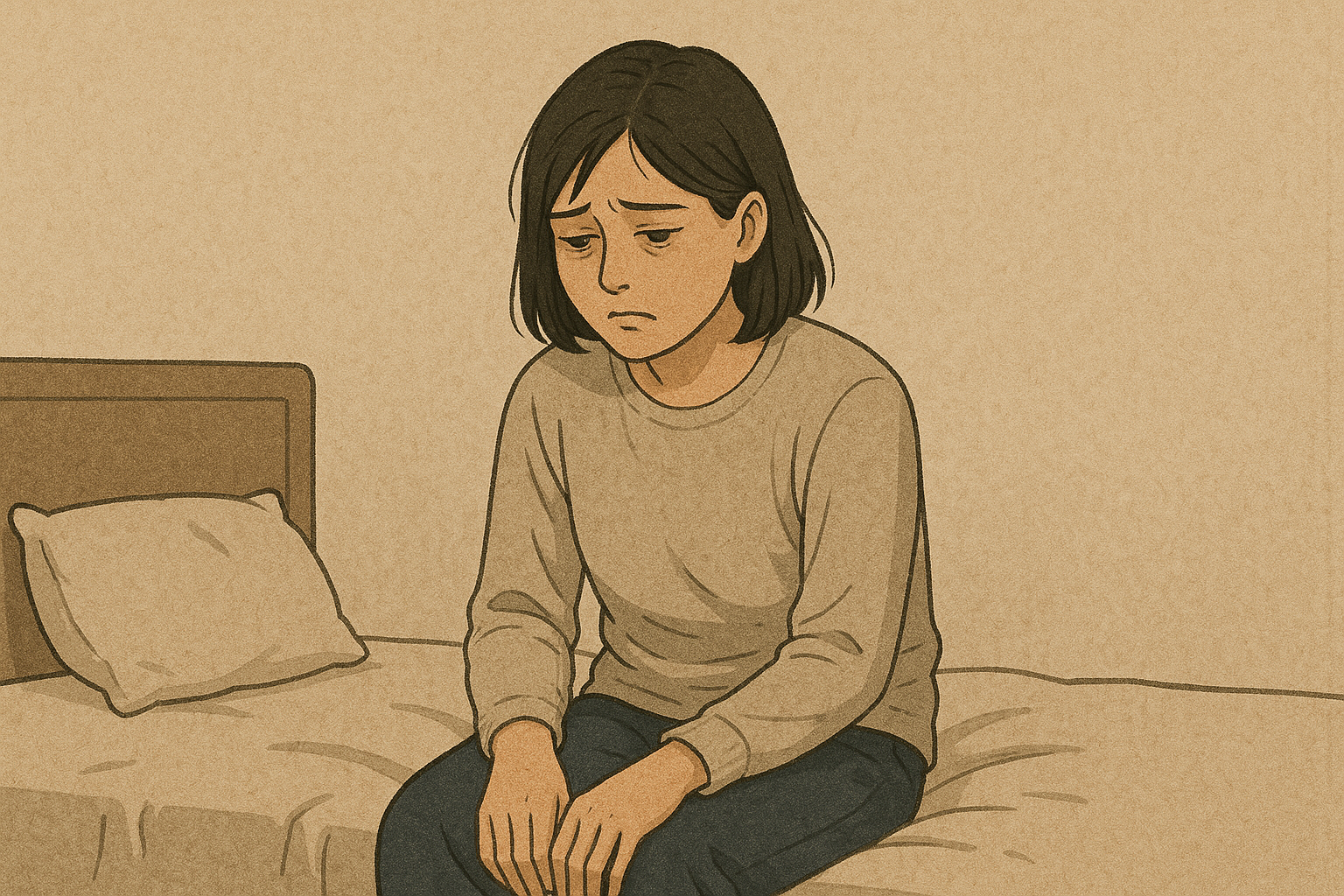
A counselor once explained it with a powerful metaphor. Depression and anxiety, he said, are like a broken bone in the mind. You would never tell someone with a fractured leg, “Come on, walk faster,” or “Try running.” Yet we say “Cheer up” to those whose hearts are broken — without realizing how painful that can be.
What should we say instead?
“How much does it hurt?” “That must be hard.” “Rest until you recover.”
Such simple words can mark the beginning of true healing.
As an educator, I’ve often wondered how to support students silently battling these invisible wounds. Physical injuries are visible; emotional ones are not. They are rarely sudden — they are layered over time by hardship, loss, and exhaustion — and they cannot be “fixed” by willpower alone.
It is never right to say, “You just need to be stronger,” or “Be more grateful.” Those struggling with mental pain often lack even the capacity to feel gratitude.
Across the world, the number of people weighed down by invisible burdens is growing. Even those who appear fine may be quietly collapsing inside. And that means this is not someone else’s problem — it’s ours, too.
The age of “mental toughness” is over. In today’s complex society, what we need is not strength but resilience — the ability to heal, to pause, to accept.
Mental health is not a luxury; it’s a necessity. Listening to the faint voice within, treating ourselves with care — that is how we begin to build a truly healthy society.
Wonsuh Song (Ph.D.)
Full-time Lecturer, Shumei University / NKNGO Forum Representative











댓글 남기기