

by Wonsuh Song
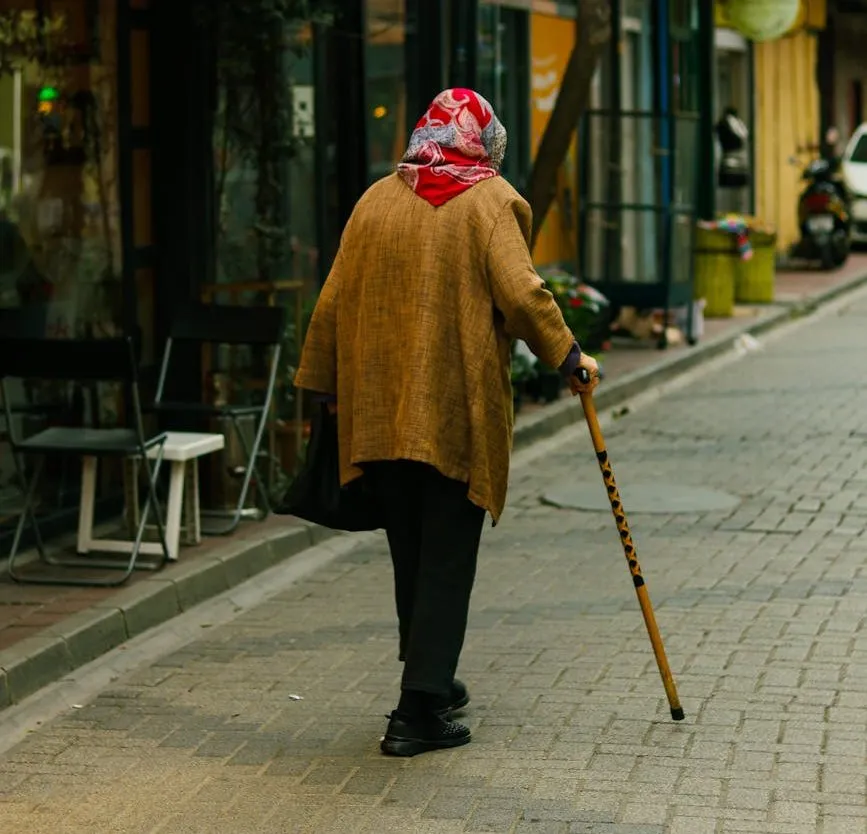
Recent international media reports have drawn attention to an unsettling phenomenon in Japan: elderly individuals, particularly women, deliberately committing minor thefts in order to be sent to prison. Their motive is painfully clear. They find more stability within the prison walls—regular meals, medical care, and the presence of other people—than they do in the outside world, where they risk dying alone. While it may seem shocking at first, this reality speaks volumes about how drastically Japanese society has aged and how tenuous its social safety nets have become.
Yet this issue is not limited to Japan alone. Korea, too, faces rapidly changing demographics that include declining birth rates, shrinking household sizes, and a growing elderly population. These trends have already led to a rise in single-person senior households. The collapse of the traditional extended family structure means that more older adults live apart from their children, if they have children at all. In such circumstances, the dangers of social isolation loom large, and the possibility that someone might choose prison over solitary life is, sadly, not so far-fetched.
Some cases in Korea already mirror the Japanese situation. Reports emerge of older individuals reoffending simply because they lack a stable living arrangement or the means to secure daily necessities. The risk is that, for those who have neither savings nor family support, committing a minor crime can seem like the only way to guarantee food, shelter, and even companionship—no matter how limited or stigmatized that companionship may be.
To prevent this grim future from becoming more widespread, Korea must strengthen its social safety net. While public pension and healthcare systems do exist, their coverage and support levels often prove insufficient for seniors living alone. Without robust services such as subsidized home care, nursing assistance, and proactive community outreach, many older adults simply slip through the cracks. A lack of social engagement and economic resources can lead them to the edge of despair, and once desperation sets in, the path that ends at a prison door may start to look like a perverse relief.
Japan’s current struggles serve as a stark warning to Korea: if basic living standards and community support for the elderly are not addressed, the country may find itself facing a similarly distressing reality. A society where prison becomes a refuge for older citizens is one that has failed to protect the dignity and well-being of its most vulnerable members. From the vantage point of Korea’s future, the lessons are clear. Now is the time to invest in both tangible resources—like affordable housing, home visitation, and pension reforms—and in fostering an environment that encourages human connection for those who are most at risk of isolation.
Nobody wants to commit a crime simply to have company. In an ideal world, the natural social fabric would keep older adults from such drastic measures. The question is whether Korea will move quickly enough to ensure that vulnerable seniors never see a prison cell as their best option. Japan’s experience offers a sobering reflection of what happens when society neglects that responsibility.
Wonsuh Song (Ph.D.)
Full-time Lecturer, Faculty of School Teacher Education, Shumei University
Adjunct Lecturer, Faculty of Education, Waseda University
Visiting Researcher, Center for Spatial Information Science, University of Tokyo










댓글 남기기