

by Wonsuh Song
According to annual statistics released by the Japan National Tourism Organization (JNTO), the total number of foreign visitors to Japan soared from 31.9 million in 2019 to 36.9 million in 2024, marking a 15.6% increase. Considering how the COVID-19 pandemic once brought global tourism to a standstill, this figure represents an astonishing recovery—indeed, it is on track to set a new record high. By country, South Korea registered the largest growth, leaping from roughly 5.6 million to about 8.8 million visitors, a 57.9% increase, while visitors from China declined from around 9.6 million to approximately 7.4 million. Taiwan, Hong Kong, and other Asian regions generally showed an upward trend, and distant countries such as the United States and Australia also saw significant increases.
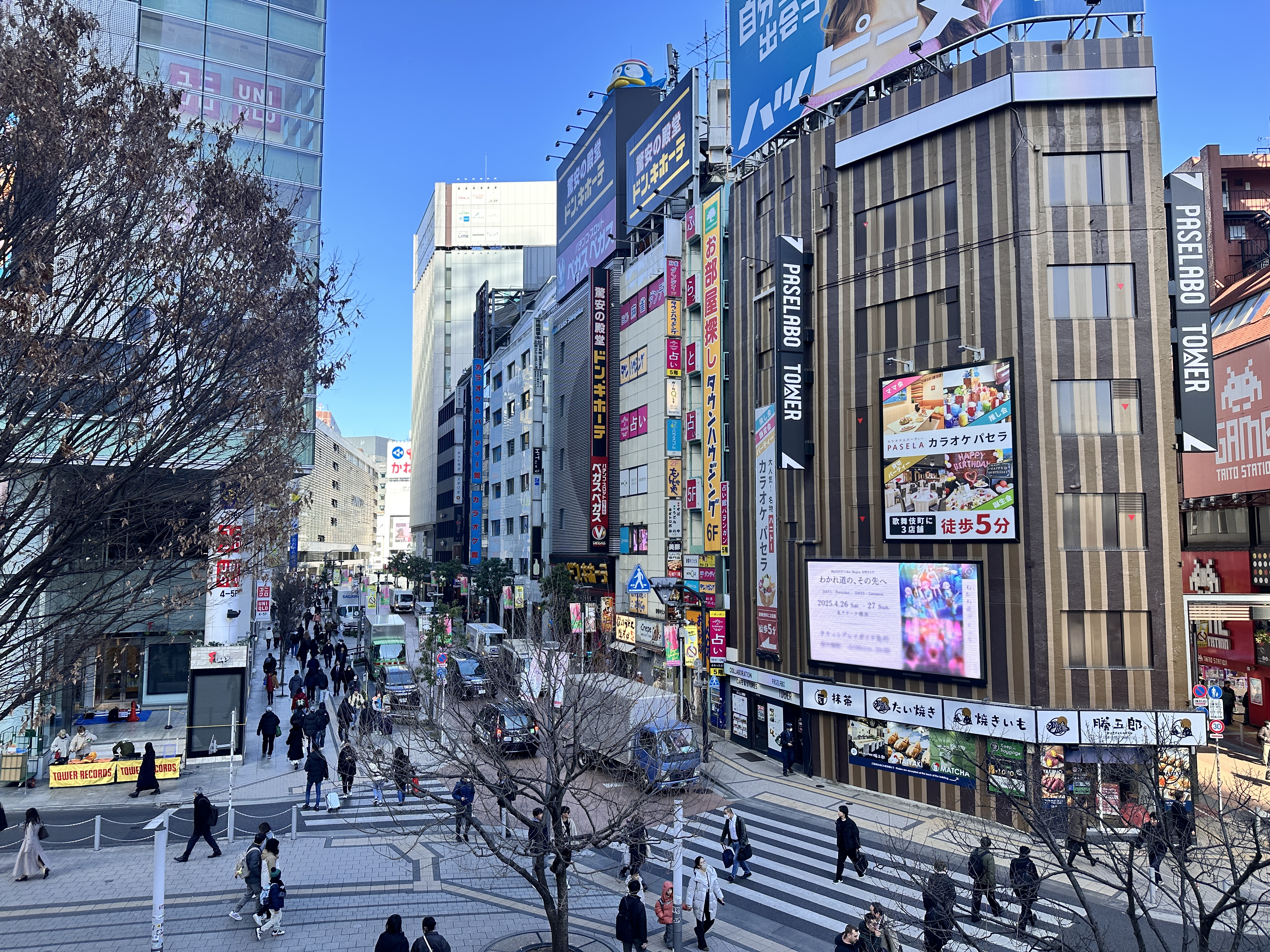
These shifting patterns in visitor origin are clearly visible on the streets of Tokyo, where you can easily find foreign tourists lining up in front of large shopping malls and famous restaurants from early in the day. The catch is that with wait times getting longer, travelers with only a short stay risk missing out on the deeper charms of the city. Many people return home feeling they spent too much time waiting to snap a few photos and pick up souvenirs, never really encountering what Tokyo is all about.
Tokyo is the quintessential Japanese metropolis, a city where many cultures overlap. From the vibrant energy of Shibuya and Harajuku, to the blend of historic and modern architecture around Tokyo Station’s Marunouchi district, to the neon buzz of Shinjuku, the upscale shopping in Ginza and Nihonbashi, the timeless atmosphere of Asakusa, or the museum-packed streets of Ueno, every neighborhood offers a different glimpse of urban life. Relying solely on social media hot spots and “must-eat” lists, however, often leaves visitors stuck in long queues and short on discovery. Once fatigue from waiting sets in, the excitement that initially fueled the trip can dissipate in no time.
Japan boasts a well-developed culinary culture, and excellent food and service are generally easy to find—even beyond big-name chain restaurants. If you want a genuine taste of local hospitality, you might consider heading to a small eatery frequented by locals, or even splurging on a traditional multi-course kaiseki meal. Far from being just a pricey indulgence, trying kaiseki at least once can open your eyes to the country’s celebrated omotenashi—or spirit of hospitality—and highlight the meticulous care woven into Japanese service.
When tourist numbers skyrocket, the most famous establishments often become places where you find more foreign patrons than Japanese ones. For a more authentic cultural experience, it’s worth going beyond the standard guidebook recommendations. Seek out suggestions from local residents or hotel staff, or take a chance on a tucked-away spot you stumble upon. Even if your Japanese is limited, a little English, body language, and a good translation app can go a long way in receiving friendly tips or directions.
The fact that so many more people visited Japan in 2024 compared to 2019 proves the country’s appeal has once again caught the world’s attention. It also suggests that travel habits and expectations need to evolve. Rather than waiting in line just to post a single photo on social media, you might consider spending more time on foot, exploring different neighborhoods to uncover the city’s many layers. Wandering only where everyone else goes won’t necessarily yield the revelation, “This is what makes Tokyo special.” A sprawling, multifaceted city like this demands more than the well-trodden path if you truly wish to appreciate its depth.
The assumption that “Tokyo is always crowded and exhausting” is easy to make, but stepping just outside the busy centers can reveal an entirely different world. While well-known tourist spots are indeed filled with visitors from abroad, a sense of adventure can pay off. It might be as simple as asking for directions in a less familiar area, enjoying a meal in a restaurant without a famous name, or striking up a brief conversation with the owner or the person at the next table. Often, these encounters are what linger in the mind long after you’ve gone home.
Instead of spending hours in line, why not look for unexpected paths and spontaneous cultural exchanges? A curious spirit and a touch of courage can lead you to the most memorable and meaningful experiences. The surge in foreign visitor statistics is impressive, but what truly matters are the personal stories forged in Tokyo—stories that go beyond the numbers and bring the city’s uniqueness to life.
Wonsuh Song (Ph.D.)
Full-time Lecturer, Faculty of School Teacher Education, Shumei University
Adjunct Lecturer, Faculty of Education, Waseda University
Visiting Researcher, Center for Spatial Information Science, University of Tokyo
















댓글 남기기