
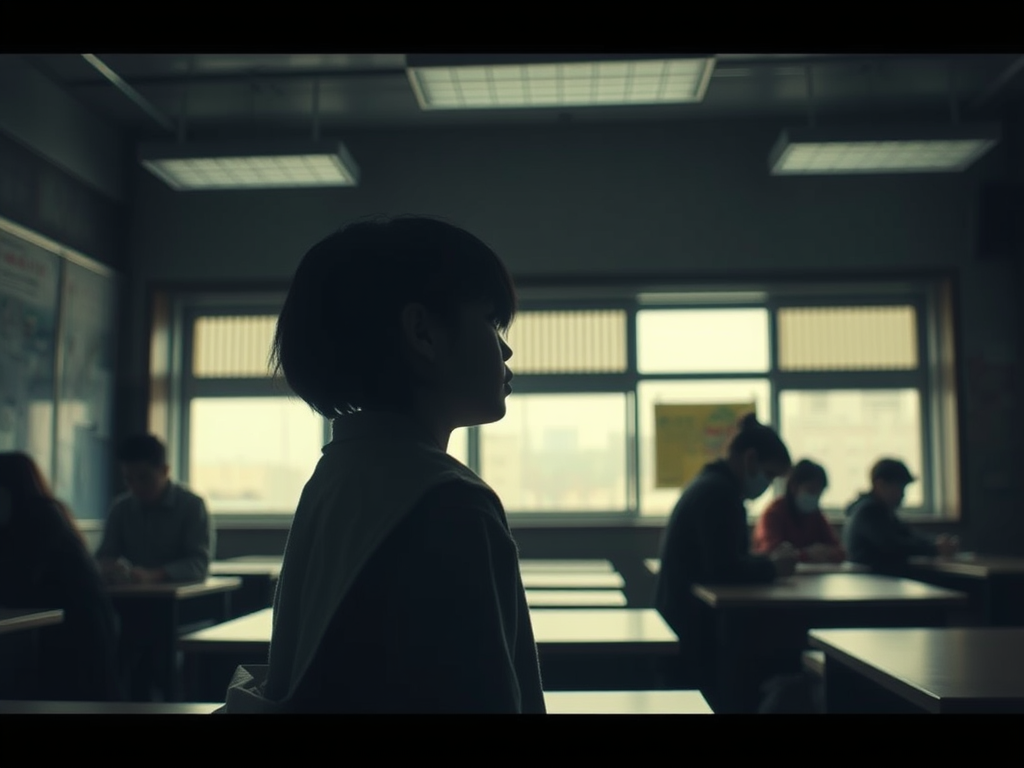
【Tokyo, Japan】 Japan’s elementary, middle, and high school education system serves as a vital foundation for students’ growth and social integration. However, it currently faces significant challenges, including an increase in school refusal, bullying, violence, dropout rates, and student suicides. These issues not only reflect individual problems but also expose the limitations of school environments and educational systems, posing a critical threat to the future of Japanese society.
Bullying remains a severe problem. According to a report by the Ministry of Education, Culture, Sports, Science, and Technology (MEXT), 732,568 cases of bullying were identified in 2023 across elementary, middle, high schools, and special support schools, a 7.4% increase from the previous year and a record high. The rate of bullying incidents reached 57.9 cases per 1,000 students, underscoring the severity of conflicts and psychological distress experienced by students. While approximately 77.5% of these cases were resolved, issues occurring in less visible spaces, such as SNS platforms, remain difficult to address. Furthermore, serious incidents of bullying classified as “grave cases” increased by 42.1% to 1,306, highlighting the urgent need for early detection and systematic intervention.
The issue of school refusal also demands immediate attention. In elementary and middle schools, the number of students refusing to attend school rose to 346,482, a 15.9% increase from the previous year, while high schools reported 68,770 such cases, a 13.5% rise. Factors contributing to this trend include a decline in motivation to attend school during the COVID-19 pandemic, maladjustment to school life, anxiety, depression, and academic struggles. Although 61.2% of students experiencing school refusal received professional counseling, over 130,000 students still lack adequate support. Issues such as disrupted daily routines and academic difficulties remain key contributors to school refusal, revealing gaps in the current support system.
Violence in schools is also worsening. In 2023, 108,987 violent incidents were reported in elementary, middle, and high schools, a 14.2% increase from the previous year and the highest ever recorded. While heightened awareness and better identification may have contributed to these numbers, they also indicate an ongoing lack of conflict resolution capabilities within schools. The dropout rate in high schools also rose, with 46,238 students leaving school in 2023. Without appropriate career counseling and academic support, these students face increased risks of social isolation.
Student suicide is another deeply troubling issue. Although the number of suicides among elementary, middle, and high school students decreased to 397 in 2023, this figure remains concerning. Student suicides highlight the failure of schools and society to provide sufficient psychological support and safety nets.
To address these issues, a multifaceted approach is required. First, counseling systems both inside and outside schools need to be strengthened. Increasing the number of professional counselors and psychological experts is essential for the early detection and resolution of mental health problems. A system for monitoring and responding to conflicts in digital spaces, such as SNS platforms, should also be established. Furthermore, tailored support for students experiencing school refusal and academic struggles must be implemented. ICT-based remote learning platforms can ensure continuous learning for students unable to attend school physically. Collaboration between schools and external organizations should provide ongoing counseling and academic support for such students.
Preventing bullying and violence requires programs that foster communication and teamwork among students. Teachers must also receive specialized training to address bullying effectively. To prevent suicides, a support network involving schools, families, and local communities must be established to alleviate students’ psychological burdens and ensure their safety.
Lastly, the working environment for teachers must improve. Excessive workloads and responsibilities are preventing teachers from spending sufficient time with their students. Providing teachers with adequate rest, support, and team-based educational environments can alleviate these burdens. Continuous training and professional development opportunities should also be made available to enhance teachers’ expertise.
In conclusion, Japan’s elementary, middle, and high school education system serves as a vital foundation for students’ growth and social integration. However, it currently faces significant challenges, including an increase in school refusal, bullying, violence, dropout rates, and student suicides. These issues not only reflect individual problems but also expose the limitations of school environments and educational systems, posing a critical threat to the future of Japanese society.
Wonsuh Song (Ph.D.)
Shumei University / Waseda University Lecturer









댓글 남기기