
By Wonsuh Song
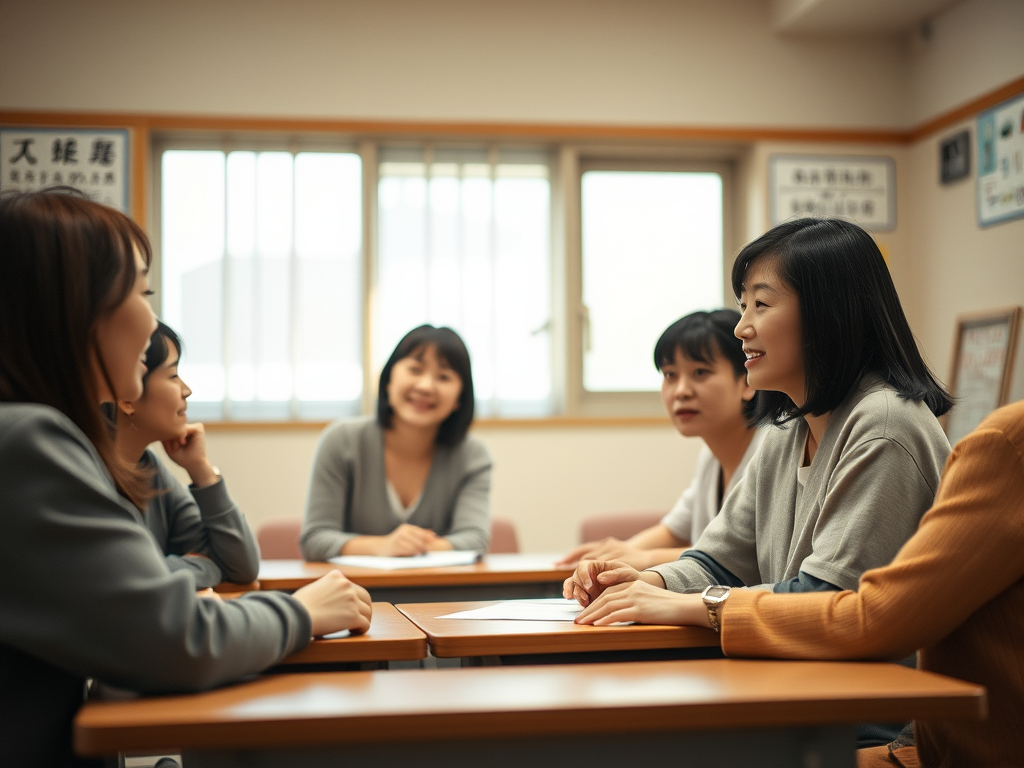
Recently, I had the opportunity to join a field trip organized by the Department of Geography and Resource Management at a university in Hong Kong. Leading this excursion was a female professor from Hong Kong whom I had met at an academic conference in Australia several years ago. Through our shared research interests, I received an invitation to take part. Accompanying around fifty Hong Kong university students, we spent a day surveying the slopes, rivers, and coastal landscapes of central Lantau Island. This experience not only evoked memories of my own university days, but also felt remarkably fresh. Spending time with students young enough to be considered a different generation imparted a curious sense of time travel.
From early morning until the fieldwork was nearly finished, most of the students did not speak to me. It seems they assumed I was simply one of the staff members, so very few attempted conversation or questions. However, when we reached the estuary area—our final stop—the atmosphere changed significantly. I was struggling to take a selfie of my first-ever glimpse of mangroves, when one of the students approached and asked, “Would you like me to take your picture?” In that moment, all sense of distance vanished. Before long, questions began pouring in, such as whether this was truly my first time seeing mangroves, or if similar forests exist in Korea or Japan. That a simple act of offering to take a photo could spark genuine curiosity and a lively exchange of cultural insights struck me as deeply memorable.
Some students mentioned upcoming travel plans to Japan. They were concerned about rumors online suggesting that a major earthquake might strike “this month or next.” While natural disasters can indeed occur unpredictably, I pointed out that avoiding travel altogether out of fear would mean forfeiting potential learning opportunities. The students appeared reassured by this viewpoint. Their desire to prioritize experience and discovery over worry was particularly encouraging.
Of course, the main purpose of the trip was to conduct a geomorphological survey, walking through mountains, rivers, and coastal areas to observe the unique terrain of Hong Kong. However, staying in the home of the Hong Kong professor and interacting closely with the students broadened my insight into the city’s day-to-day life and culture. I learned that young people in Hong Kong face high living costs and a tough job market—challenges quite similar to those in Korea or Japan. Moreover, given Hong Kong’s status as a global city that attracts top talent worldwide, local students may find themselves in especially fierce competition, which proved an eye-opening perspective.
No matter what changes lie ahead for Hong Kong, it is highly intriguing to consider how these young people will forge their paths. Their relatively open-minded attitude and quietly confident curiosity appear particularly well-suited to hands-on experiences like travel and fieldwork. Just as a brief moment in front of the mangroves led to a flood of questions, such encounters surely expand and deepen on their own.
I personally hope that Hong Kong’s students will continue to develop in their own ways, remain receptive to new possibilities, and further enrich the city’s distinctive appeal. Though my time with them was short, that single day was replete with vivid impressions from the landscapes and conversations we shared—memories likely to stay with me for a long time to come.
Song Wonsuh (Ph.D.)
Full-time Lecturer, Shumei University / NKNGO Forum Representative








댓글 남기기