

by Wonsuh Song
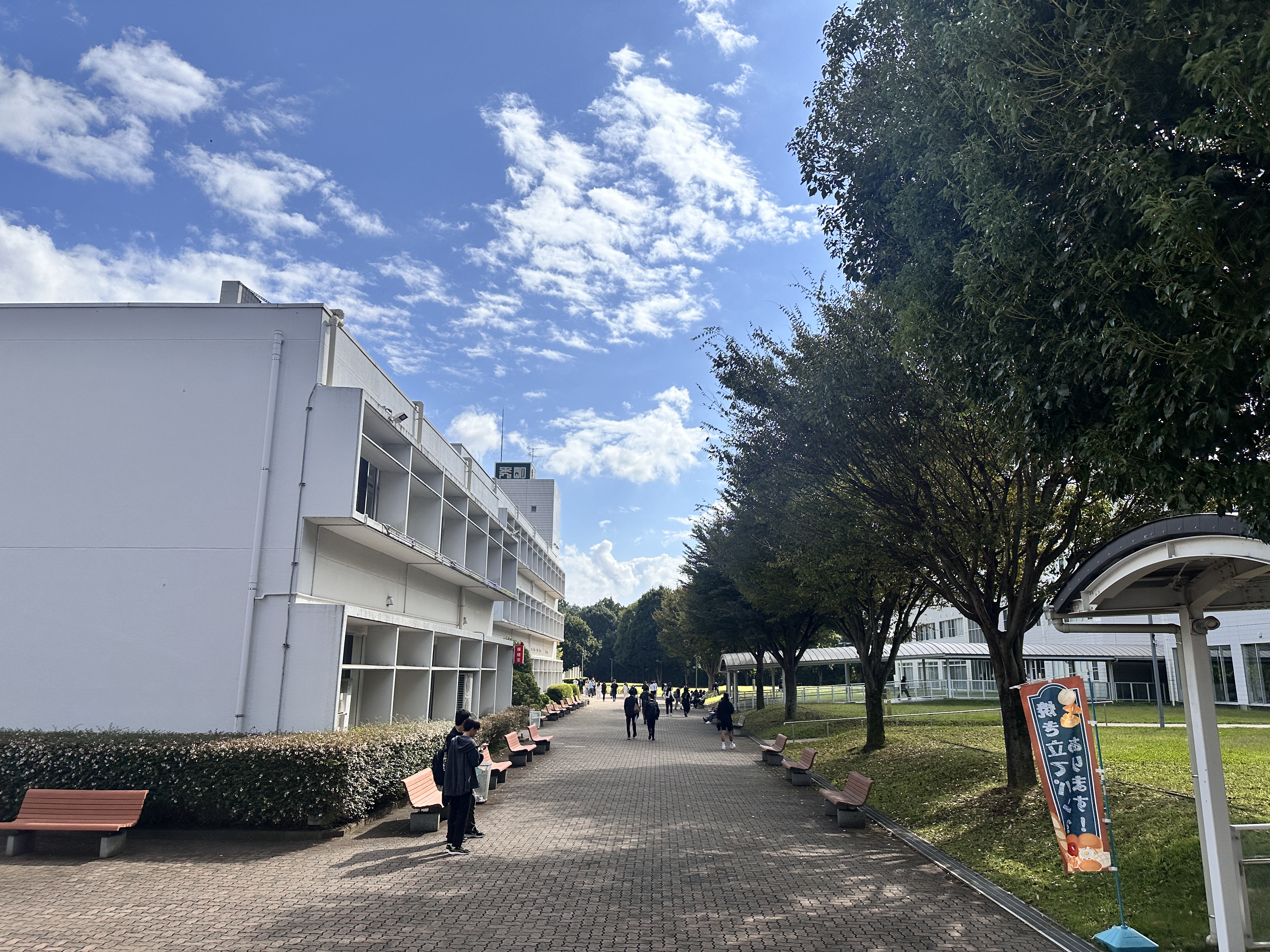
[Tokyo-Japan] In Japanese universities, part-time lecturers, comparable to Korea’s former “adjunct instructors,” work under precarious contracts that are renewed annually. What was once a supplementary role for full-time professors has now evolved into a career option for those unable to secure permanent positions.
Life as a part-time lecturer is far from easy. The average pay per course is 30,000 yen (approximately 200 USD) per month—less than half of what adjunct instructors in Korea earn. With salaries frozen for years and no benefits like research funds or retirement allowances, part-time lecturers struggle to build long-term careers. This unstable work is often taken on by retirees or women without family obligations, more as a way to utilize their time rather than as a sustainable livelihood.
Given this backdrop, the Ministry of Education, Culture, Sports, Science, and Technology (MEXT) announced on March 26, 2024, a bold plan to triple the number of PhD holders by 2040. This move seeks to address the shortage of doctoral talent, which is seen as vital for fostering innovation and strengthening Japan’s international competitiveness.
Key Goals of MEXT’s Doctoral Human Resources Action Plan
- Increase PhD graduates: Raise the number of PhDs per million people to over 300, tripling the current figure and reaching global top levels.
- Boost employment for PhDs: Improve employment rates for PhD graduates to 80% by 2040, a 10-percentage point increase from 2023.
- Strengthen university-industry collaboration: Enhance cooperative education to promote problem-solving research and joint projects.
- Expand financial support: Provide living expenses and tuition waivers to doctoral students to ease the financial burden.
This initiative addresses the decline in doctoral program enrollment, with admissions falling by 20% since 2003. Many students opt out of pursuing PhDs due to financial uncertainties and concerns about post-graduation employment opportunities. As the plan outlines, “PhDs are not only researchers; they are innovators capable of solving complex societal problems”—a notion that needs to be widely embraced in Japan.
MEXT’s data shows that Japan lags behind other countries in terms of PhD production, with 123 PhD holders per million people, compared to 340 in the UK and 285 in the US. This is attributed to the stronger collaboration between academia and industry in these countries, where companies actively support practical research in areas like AI and data analysis.
Having spent many years as a part-time lecturer, I’ve experienced the harsh realities of low pay and unstable employment. However, securing a full-time position this year has brought significant change—not just in salary and research funding but also in opportunities to advise students and engage in meaningful research. These changes allow me to reflect deeply on the struggles faced by part-time lecturers and doctoral students, making the need for systemic reform in Japan’s education system even more urgent.
MEXT’s doctoral talent development plan is a crucial step in the right direction. The focus on broadening career paths beyond academia and fostering collaboration between universities and industry reflects the changing landscape of higher education. Doctoral talent is not just about academic achievements—it is a national asset, essential for future growth and development.
To all part-time lecturers and doctoral students, I offer this message: The journey may be difficult, but perseverance will open doors. I, too, have faced challenges and setbacks, but through persistence, I found my path. I encourage you to continue moving forward, step by step, trusting that the hardships you endure today will someday turn into valuable achievements.
Wonsuh Song Ph.D.
Full-time lecturer, Shumei University, Faculty of Teacher Education


















댓글 남기기