
by Wonsuh Song
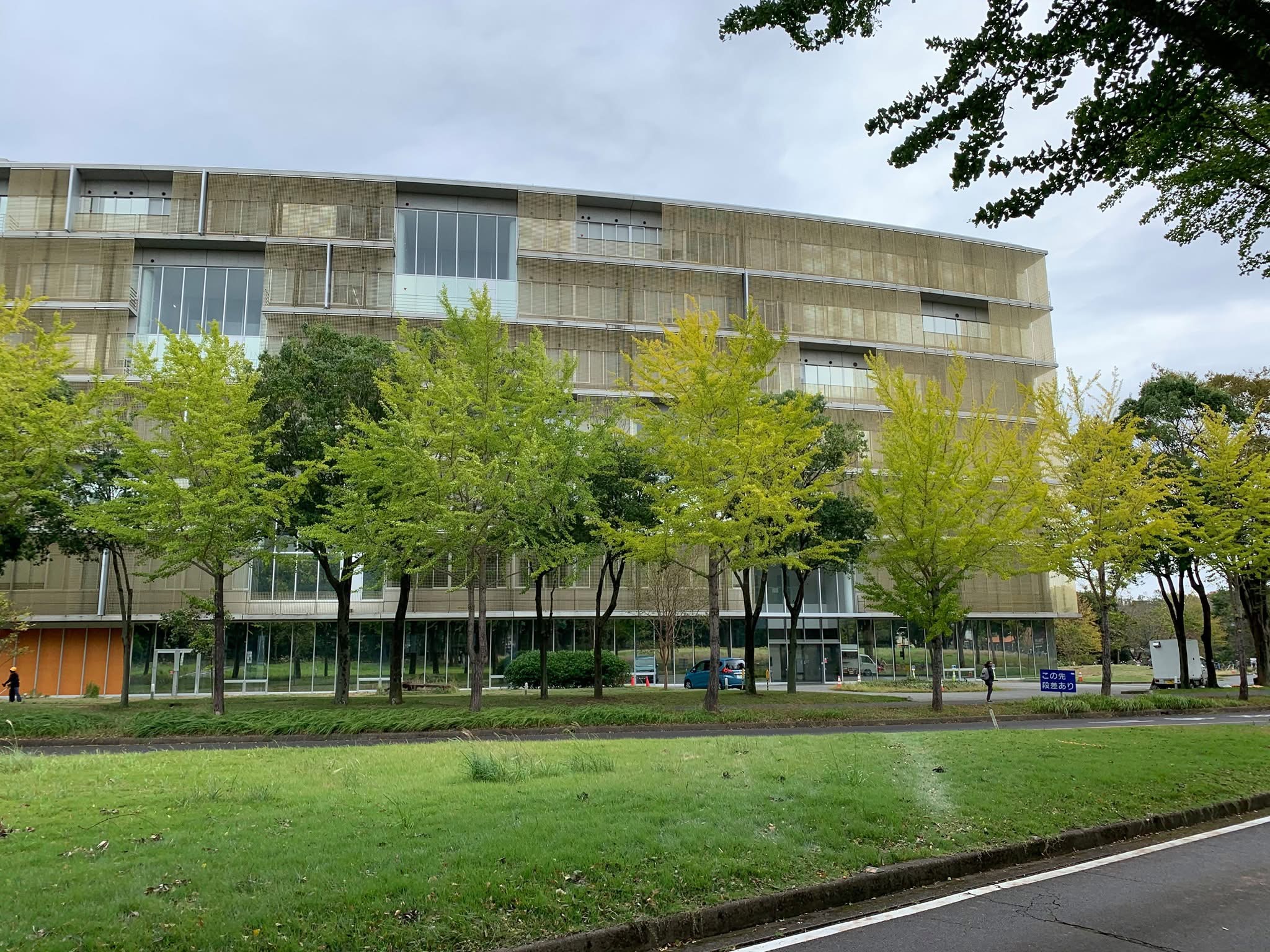
Located roughly 60 kilometers northeast of Tokyo, the city of Tsukuba is a research hub home to numerous national laboratories. About 40 years ago, the national government spearheaded the planning and development of what was then largely farmland; today, it has grown into one of Japan’s foremost academic centers.
My first encounter with Tsukuba dates back 23 years. I had been warned repeatedly that it was a city with “nothing there,” which made me somewhat apprehensive before moving. Yet upon arrival, I discovered that basic amenities were more readily available than expected, and the wide-open streets gave the city a pleasant, spacious feel. At the time, the Tsukuba Express line (connecting Akihabara to Tsukuba in around 45 minutes) had not yet been established, so people mostly relied on highway buses via Tsukuba Center. I still recall my surprise at seeing a large surface parking lot right next to a department store—an almost shocking use of prime downtown space.
Over the subsequent decades, Tsukuba continued to expand. Shopping malls and other commercial facilities sprang up one after another, and more recently, even a Costco opened, considerably improving local convenience. However, with a population of about 260,000, the appearance of a single major retail development can draw everyone to one location—until another new mall arrives and customers flock there instead. Existing facilities can then struggle with dwindling foot traffic and, in some cases, face tenant closures, leaving parts of the city feeling somewhat unsettled.
Despite these challenges, Tsukuba’s key distinction from other regional cities lies in its strong academic focus. The city boasts one of the highest proportions of residents with doctorate degrees in all of Japan, and it is not uncommon to find PhD students working part-time in local convenience stores. Universities and research institutes cooperate closely, often sharing facilities and equipment to advance collaborative projects. It is also common for students to secure part-time jobs in these research institutes, gaining early exposure to hands-on research.
Tsukuba’s layout features wide roads and sidewalks, with residents primarily traveling by car or bicycle. Bus routes are limited, and there are fewer pedestrians than in urban centers. Those seeking the hustle and bustle of a major metropolis might find life here “quiet,” but for anyone hoping to devote themselves to research or study, there is no environment more ideal. During my own 17 years in Tsukuba, I came to appreciate how its serene atmosphere fostered concentration and focus on academic work.
This spring, Tsukuba is set to welcome Prince Hisahito, the second in line to the Chrysanthemum Throne, who will be enrolling at the University of Tsukuba. There is some curiosity, and perhaps a little concern, about how he will adjust to an unfamiliar environment. Yet the opportunity for a member of the Imperial Family to immerse himself in “the city of research,” surrounded by ample greenery, a relaxed pace, and a vibrant academic community, carries immense significance. The abundant resources of Tsukuba and the synergy between its university and research institutes will no doubt provide robust support for Prince Hisahito’s academic growth.
My alma mater, the University of Tsukuba, has served as both my educational and personal foundation for many years. I look forward to seeing what kind of new “chemical reactions” this fresh arrival will spark. It is my hope that Tsukuba will continue to develop while preserving its original strength as a “city optimized for research.” Above all, I wish that it remains a place capable of welcoming individuals from all walks of life, including those at the very forefront of Japan’s future, and offering an environment in which they can pursue their research and dreams to the fullest.
Wonsuh Song (Ph.D.)
Lecturer at Shumei University / NKNGO Forum Representative









댓글 남기기