
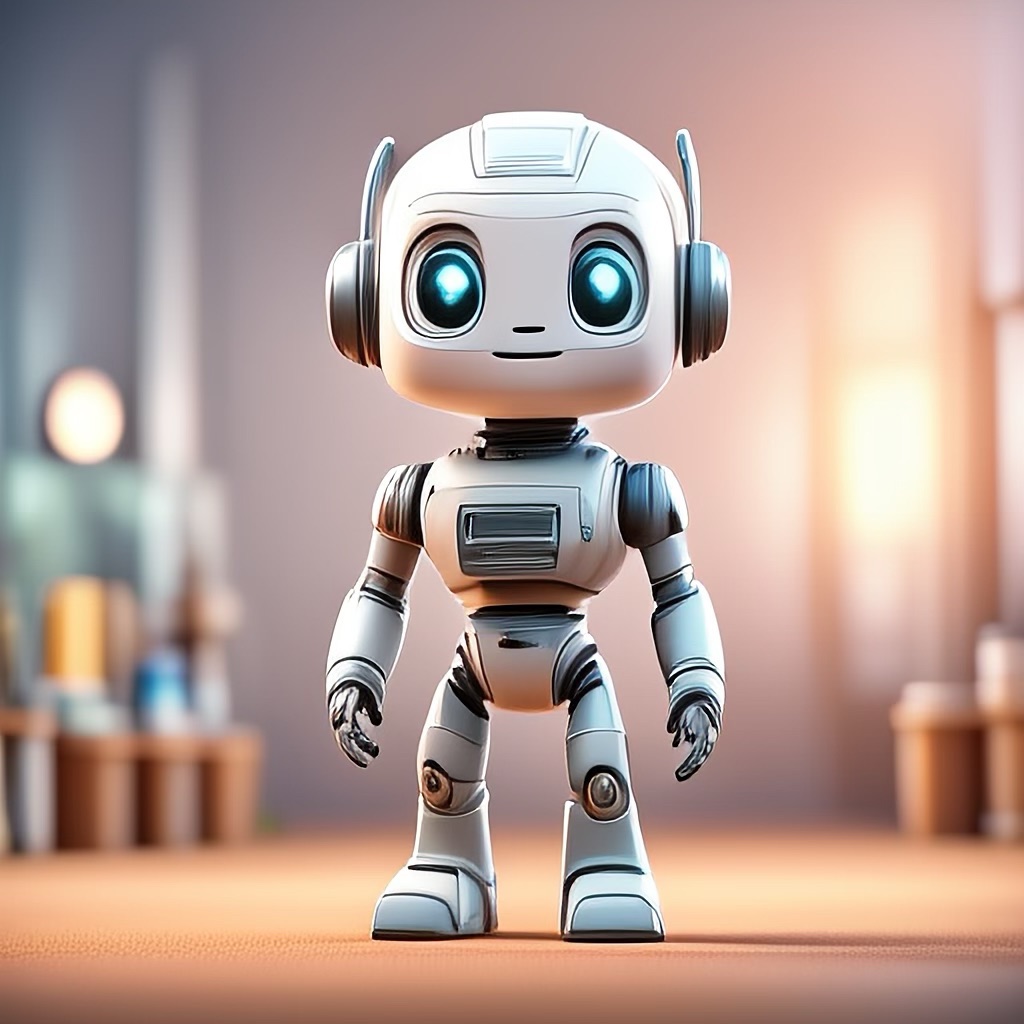
by Wonsuh Song
In recent years, the influence of Artificial Intelligence (AI) has become evident in virtually every aspect of daily life. Beyond simple online searches, AI is now used for learning, healthcare, and many other fields. What’s particularly noticeable is that people are more willing than ever to pay for AI services. In the past, the phrase “the rich get richer and the poor get poorer” described economic inequality. Now, it also applies to what we might call an “information gap,” where those who leverage AI are pulling further ahead of those who do not.
A case in point is the story of a friend’s daughter in middle school. She used to struggle with math, but recently decided to drop her tutoring sessions. Instead, she relies on AI-based learning tools and her grades have improved dramatically. By entering difficult questions into an AI system and repeatedly asking until she fully understands, she gains access to multiple explanations and approaches—all provided patiently. Unlike a human tutor who might say, “You still don’t understand this?” the AI never tires of answering the same questions. This process encourages students to keep asking until they grasp the material, often resulting in a swift improvement in academic performance.
A similar example exists in healthcare. Before seeing a doctor, some people now consult AI about their symptoms, recommended treatments, and daily self-care. Rather than feeling pressured by the short time available during a doctor’s appointment, they use AI to gather information upfront. AI, drawing on vast resources and data, can provide detailed, well-researched answers. The patient can then enter the clinic better informed and ready with more focused questions, effectively mitigating the limitations of a quick “five-minute consultation.”
From these examples, it’s clear that AI doesn’t replace studying or make people lazy. Instead, it makes learning and working more efficient and productive. Of course, human decision-making and critical thinking remain essential—blindly trusting AI responses can be risky. But for those who adopt AI as a tool in problem-solving or learning, there’s no question that it broadens access to knowledge and can greatly enhance one’s capacity to use information.
In the end, AI does not “dumb us down.” It holds the potential to make us smarter and more capable. However, there’s a growing divide between those who proactively benefit from AI and those who do not, and that divide is widening at an accelerating pace. Both individuals and society as a whole must recognize this reality and foster a willingness to learn and incorporate new technologies. In an era of rapid AI advancement, our goal should not be to become “slaves to technology,” but rather to harness it as a springboard for personal and collective growth.
In short, AI doesn’t make us foolish; it makes us ever more intelligent. Those who fail to leverage its benefits risk missing out, and thus may fall behind even faster in today’s information-driven world. Proficiency in using AI is quickly becoming a new form of literacy—something we need to embrace as part of our present and future.
Wonsuh Song (Ph.D.)
Lecturer at Shumei University / NKNGO Forum Representative










댓글 남기기