

by Wonsuh Song
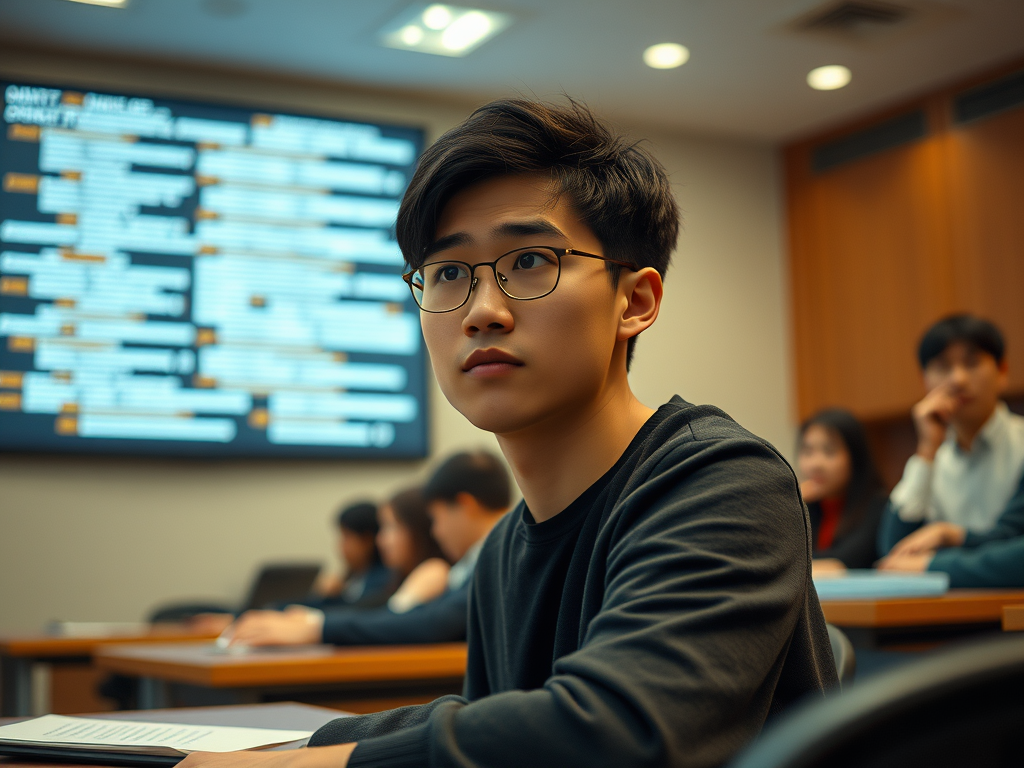
In recent years, universities have been actively working to integrate new technologies into their classrooms. Tools like YouTube and video editing have become essential learning resources for today’s students, who belong to the visual generation. However, many educators are struggling with how to incorporate these technologies into their teaching. At the core of their concerns lies the question: “How can I teach something I don’t fully understand myself?”
A fellow educator recently shared similar concerns with me. He recognized the value of using YouTube as an educational tool but was at a loss when it came to teaching video editing, as he had never learned it himself. His question—“How do I teach something I don’t know?”—is one that many educators grapple with. Does this mean that teachers must master everything to teach effectively?
Today’s students are already well-versed in digital technologies. Platforms like YouTube and video editing tools are a part of their daily lives. Educators don’t need to master every tool; in fact, students are often more skilled at using them. The key is for teachers to provide opportunities for students to learn and explore.
In a recent class, I gave students an assignment and said, “I don’t fully understand how this program works, so I’d like you to give it a try.” The results were remarkable. Each student approached the task creatively. One student used AI-generated images to design presentation materials, while another employed advanced editing techniques to produce a video that expressed their individuality. This experience taught me that students achieve better results when they take ownership of their learning.
In the past, assignments often came with strict guidelines. Recently, however, I’ve given students the freedom to submit their work in any format—whether as a written document, a video, or a presentation. As a result, students turned in a variety of creative works. Some used Word documents, others prepared PowerPoint presentations, and still others submitted original videos. This open approach stimulated students’ creativity and made grading a more enjoyable experience for me.
In today’s world, teachers are no longer merely transmitters of knowledge. Instead, they play the role of supporters, creating environments where students can explore, learn, and grow independently. Teachers don’t need to know everything. By saying, “You’re better at this, so give it a try,” teachers can empower students to achieve better learning outcomes.
Educators should let go of the fear of teaching what they don’t know. It’s not necessary to be an expert in everything. What’s crucial is to provide students with opportunities to explore freely. Through this process, students become more creative and independent learners.
Wonsuh Song (Ph.D.)
Full-time Lecturer, Faculty of School Teacher Education, Shumei University
Adjunct Lecturer, Faculty of Education, Waseda University
Visiting Researcher, Center for Spatial Information Science, University of Tokyo








댓글 남기기