

by Wonsuh Song
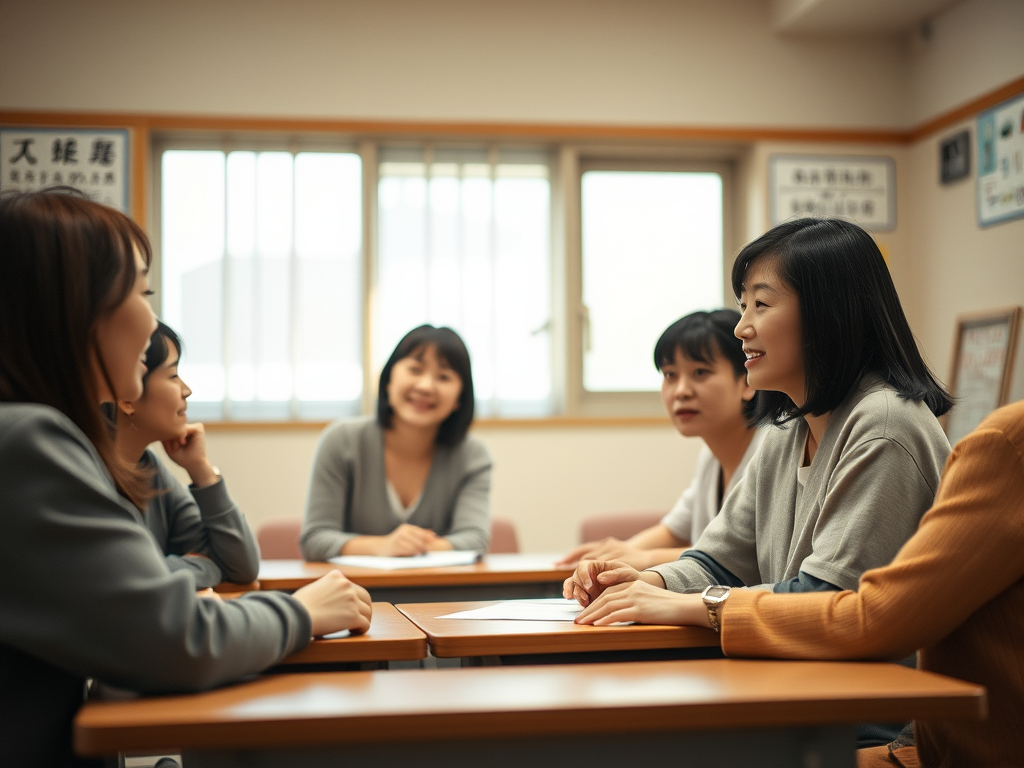
When I first arrived in Japan, one of the biggest culture shocks I experienced was the tendency for people to display large and immediate reactions in daily conversation. Whether it’s a friendly chat or a passing exchange of greetings, people here respond right away with phrases like “Wow, really?” or “That’s amazing!” These vivid expressions of surprise, admiration, or gratitude seem completely natural and are woven into the fabric of everyday life.
This “reaction culture” goes beyond personal interactions. For instance, if you ride a bus in Japan, you will notice the driver thanking each passenger individually with “Arigato gozaimasu” whenever they board or disembark. If a group of dozens of middle or high school students gets on or off at once, the bus fills with echoing acknowledgments of gratitude. Even a small gesture is met with a verbal “thank you” or “wow,” reflecting the deeply ingrained notion that every action should be met with a corresponding reaction.
In contrast, in Korea, over-the-top verbal reactions are not as common. Often, listeners simply nod along without exclaiming “Wow!” or “That’s incredible!” every time something notable is mentioned. Unless something truly surprising happens, we typically do not voice a big reaction. I recall a moment in a Japanese research lab when a senior colleague asked, “Why don’t you react more?” At the time, I was taken aback because in Korea, my manner of simply nodding and listening quietly was completely normal. However, in Japan, such a subdued response can easily be seen as aloof or even rude.
This cultural background also seems to influence the nature of international relationships. Years ago, marriages between older Japanese men and younger Korean women were relatively common. Nowadays, it’s more typical to see slightly older Japanese women dating or marrying younger Korean men. The reasons for this shift are varied, but the typically enthusiastic reactions of Japanese women can be quite appealing to Korean men. An animated “Wow! That’s awesome!” can convey a level of respect and attentiveness that is instantly felt.
Of course, I’m not claiming that bigger reactions are always “better.” In Korea, people often grasp each other’s feelings without the need for explicit words, which can be more comfortable in certain contexts. Problems arise, however, when people from different cultures with different default modes of communication fail to recognize these differences. In Japan, not saying “thank you” for a small kindness is often viewed as very rude, whereas in Korea, nonverbal acknowledgment might be considered sufficient.
If you live, work, or study in Japan, it’s vital to keep in mind the importance of acknowledging the other person’s actions. Even a simple “Thank you” or “That’s great!” in everyday encounters can smooth relationships significantly. At the heart of this practice is a genuine respect for the other person—an effort to show you’ve noticed and appreciated what they’ve done. After years of living here, I’ve come to see the beauty and value of this “reaction culture” and do my best to embrace it.
Wonsuh Song (Ph.D.)
Representative of NKNGO Forum / Full-time Lecturer at Shumei University











댓글 남기기