by Wonsuh Song
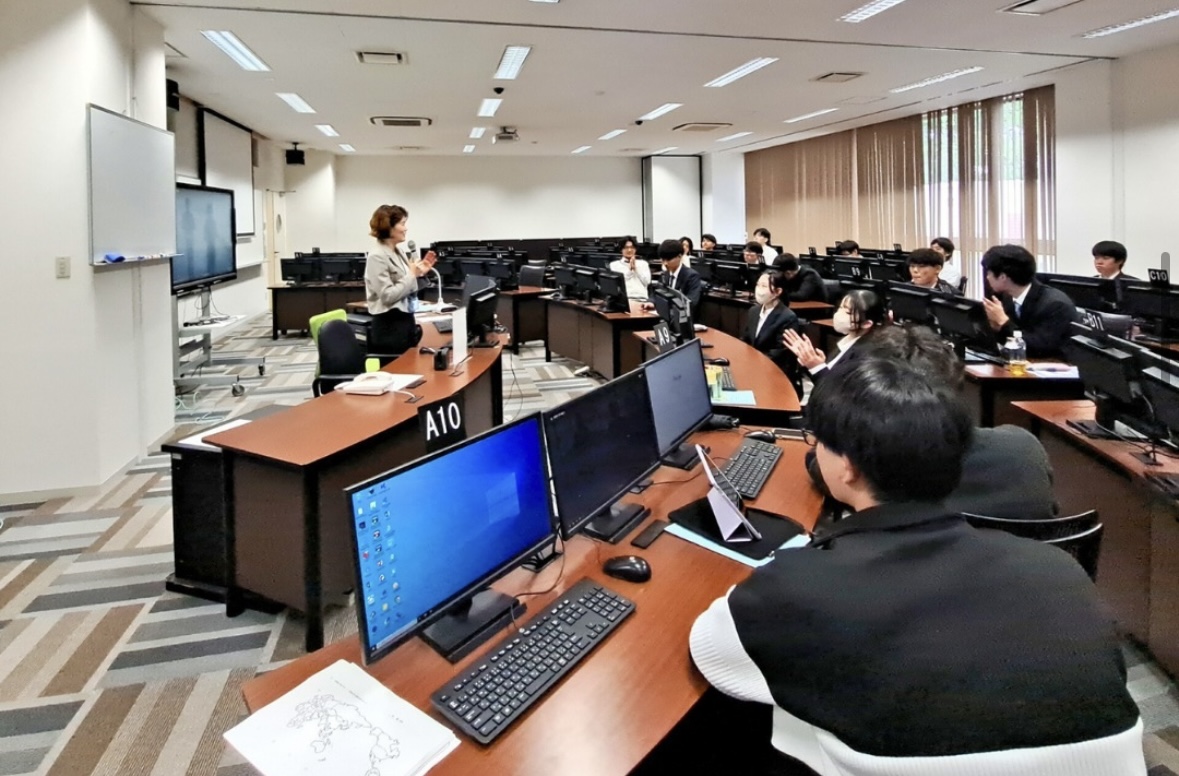
[Tokyo-JAPAN] As the digital revolution accelerates, the role of teachers is changing rapidly. Teachers are no longer just conveyors of textbook knowledge. Instead, they must serve as crucial guides to help bridge the gap between the current generation and the digital future, equipping students with the skills they need to thrive in a tech-driven world. This year, as I began teaching a group of 24 second-year social studies education students at Shumei University in Japan, I set out to emphasize this new role of teachers. I made a bold statement to my students: “By the end of this course, all of you will become YouTubers.”
Naturally, the students were puzzled. Some stared back at me with expressions of disbelief, wondering what on earth their new professor was talking about. But I was certain. The students they would be teaching in the future belong to what we call the “video generation”—a generation that consumes information and learns primarily through videos rather than text. To communicate effectively with them, teachers must develop video content creation skills themselves. And it’s not just about setting up a YouTube channel or posting videos. It’s about learning how to plan content, shoot, edit, and analyze data throughout the entire process. These skills, I believe, are becoming essential for the modern teacher.
As the semester progressed, my vision became a reality. By the end of the term, all my students had become YouTubers. What once felt foreign and intimidating—the process of video production—had become second nature to them. They had learned how to plan and shoot videos, edit them, and analyze the results. No longer just passive consumers of content, they had transformed into active content creators. Through this experience, my students naturally gained new insights into using video media as an educational tool for social studies.
But the evolution of education doesn’t stop there. With the start of the new semester in October, my next goal is to integrate AI into our educational process. AI is already playing a critical role across various sectors of society, and education is no exception. This semester, students will learn how to use AI tools to create presentation materials and produce engaging social studies content. AI is no longer just a futuristic tool—it’s a powerful asset that can help teachers and students alike produce creative and efficient results. The key, however, is not to become overly reliant on AI but to develop the ability to use it effectively and strategically.
As teachers, mastering AI and other digital tools is not optional—it is now a fundamental part of our job. The students of tomorrow will be learning in increasingly digital environments, and educators must keep pace with these changes. In Japan, the adoption of cutting-edge technology in the classroom, such as AI, is still limited. But this shift is inevitable. Only by embracing such tools can teachers adequately prepare their students for the challenges and opportunities that lie ahead.
Education in the digital age is no longer about simply transmitting knowledge. It’s about creating an environment where students can solve problems independently, think creatively, and utilize the technologies that will shape their future. To foster this kind of learning, teachers must constantly adapt, learn, and take the lead in adopting new technologies and teaching methods. The teacher who understands AI and can apply it effectively in the classroom is the one who will provide meaningful and valuable education.
The transformation of teachers is essential for the future of education. Teachers need to evolve into YouTubers, AI experts, and digital content creators who can connect with the video generation and guide them through the complexities of the modern world. I hope that Japan’s education system will embrace this transformation and that more teachers will adopt these new methods and technologies to offer students a better, more relevant education.
Ultimately, the future of education lies in the hands of teachers. Only those who understand and creatively use technologies like AI can equip their students with the skills they need to succeed. This is no longer a choice—it is becoming a fundamental skill for every teacher.
Wonsuh Song (Ph.D.)
Shumei / Waseda University







댓글 남기기