
by Wonsuh Song
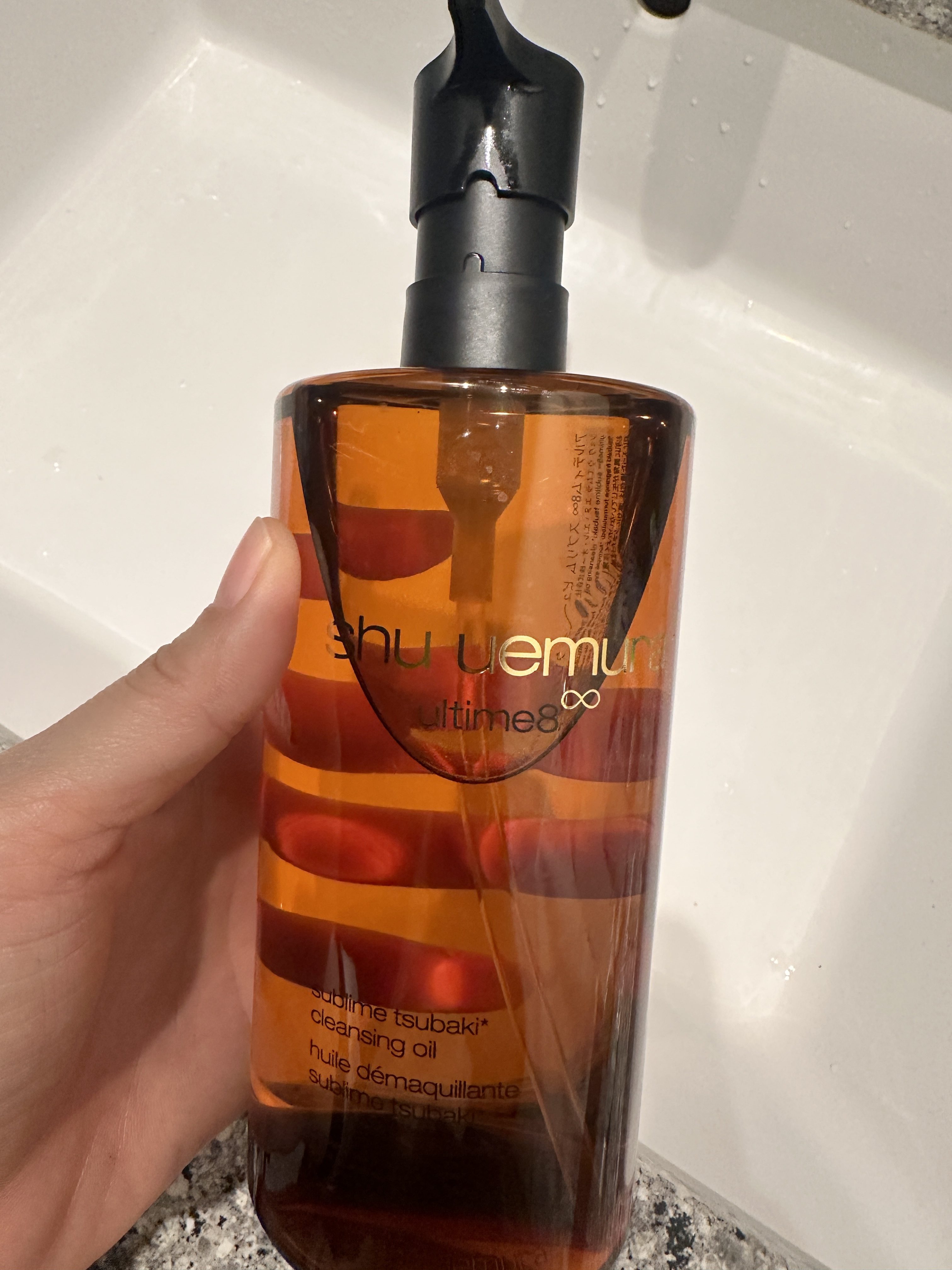
Recently, I had two experiences with counterfeit products that made me reflect on consumer behavior and societal values. The first incident involved a cleansing oil I purchased on Amazon Japan. From the moment I opened the package, the unpleasant smell and suspicious quality were undeniable. It was clear the product was not authentic. Unable to contact the seller, I ultimately received a full refund from Amazon Japan. I had to be discarded the product.
The second experience came when I purchased a Longchamp bag on Qoo10. The price was low that I had some doubts, but curiosity got the better of me. When the bag arrived, the poor packaging and subpar quality immediately gave it away as a fake. The seller apologized and stated that it was a defective product, offering a full refund. However, it was not defective; it was a counterfeit.
These experiences are not merely personal shopping mishaps. They highlight broader societal issues surrounding the proliferation of counterfeit goods and the motivations behind their purchase. Why are counterfeit products so prevalent, and why do consumers continue to buy them?
Counterfeit products exploit consumer psychology. They mimic the appearance of authentic items while being offered at much lower prices. For luxury goods, which often carry social status, the temptation to own them at a fraction of the cost is strong. However, buying counterfeit products is not a harmless choice. It involves self-deception and, often, deceiving others as well.
Luxury goods are not just about logos or appearances. Their value lies in the quality, craftsmanship, and satisfaction they bring to their owners. Attempting to replace that value with a counterfeit item ultimately undermines one’s own integrity and sense of self-worth.
There are good reasons why genuine products are expensive. The high price reflects rigorous quality control, ethical distribution, and the effort to maintain the brand’s reputation. While criticisms about luxury goods’ pricing are valid, these do not justify the purchase of counterfeit products. Supporting counterfeit markets perpetuates illegal trade networks and contributes to societal harm.
Consumption reflects one’s values. Choosing between counterfeit and authentic products is more than a personal decision—it shapes societal norms and expectations. Opting for authentic goods, even at a higher cost, demonstrates a commitment to honesty and responsibility.
The satisfaction of owning and using a genuine product far outweighs the fleeting appeal of a fake. Experiencing the quality and thoughtfulness behind an authentic product reveals why its price may seem high—it is an investment in trust and craftsmanship.
To combat the spread of counterfeit goods, consumers must take responsibility for their choices. Rejecting counterfeits in favor of authentic products is not just about legality; it is about living authentically and respecting the value of integrity.
Let us choose authenticity—not for appearances, but for the true value it brings to ourselves and the society we shape.
Wonsuh Song (Ph.D.)
Full-time Lecturer, Faculty of School Teacher Education, Shumei University
Adjunct Lecturer, Faculty of Education, Waseda University
Visiting Researcher, Center for Spatial Information Science, University of Tokyo










댓글 남기기