

By Wonsuh Song (Shumei University)
California has long been remembered as a paradise with its mild Mediterranean climate and breathtaking natural landscapes. For many, it has symbolized the idyllic image of heaven on earth. However, over the past decade, California has presented an entirely different picture. Persistent droughts, wildfires, and the resulting loss of life and property have become the new reality. These issues go beyond the simplistic explanation of climate change and involve more complex, interconnected problems.
Drought and Wildfires: Is Climate Change the Whole Story?
Many attribute California’s crises to climate change and global warming. While rising global temperatures have indeed impacted ecosystems globally, the observed temperature increase of just 1–2°C over the past century does not fully explain why droughts and wildfires are disproportionately severe in specific regions like California. Similar phenomena occur in other parts of the world, such as Brazil and Australia, pointing to underlying factors beyond climate change alone.
The Root Causes of California’s Drought
California’s drought problem is not merely the result of reduced rainfall. As the agricultural hub of the United States, California plays a central role in the nation’s food production and export economy. However, much of the state is naturally unsuited for large-scale farming due to its arid and semi-arid climate.
In the Central Valley, rivers once supplied water for agriculture, but these resources have been so heavily exploited that many rivers no longer flow consistently. As a result, the state now relies primarily on groundwater for agricultural use, leading to critically low groundwater tables. Groundwater depletion has caused widespread land subsidence, and in some areas, the water levels have dropped so dramatically that they can no longer be accurately measured.

The Expansion of Wildfires and Population Growth
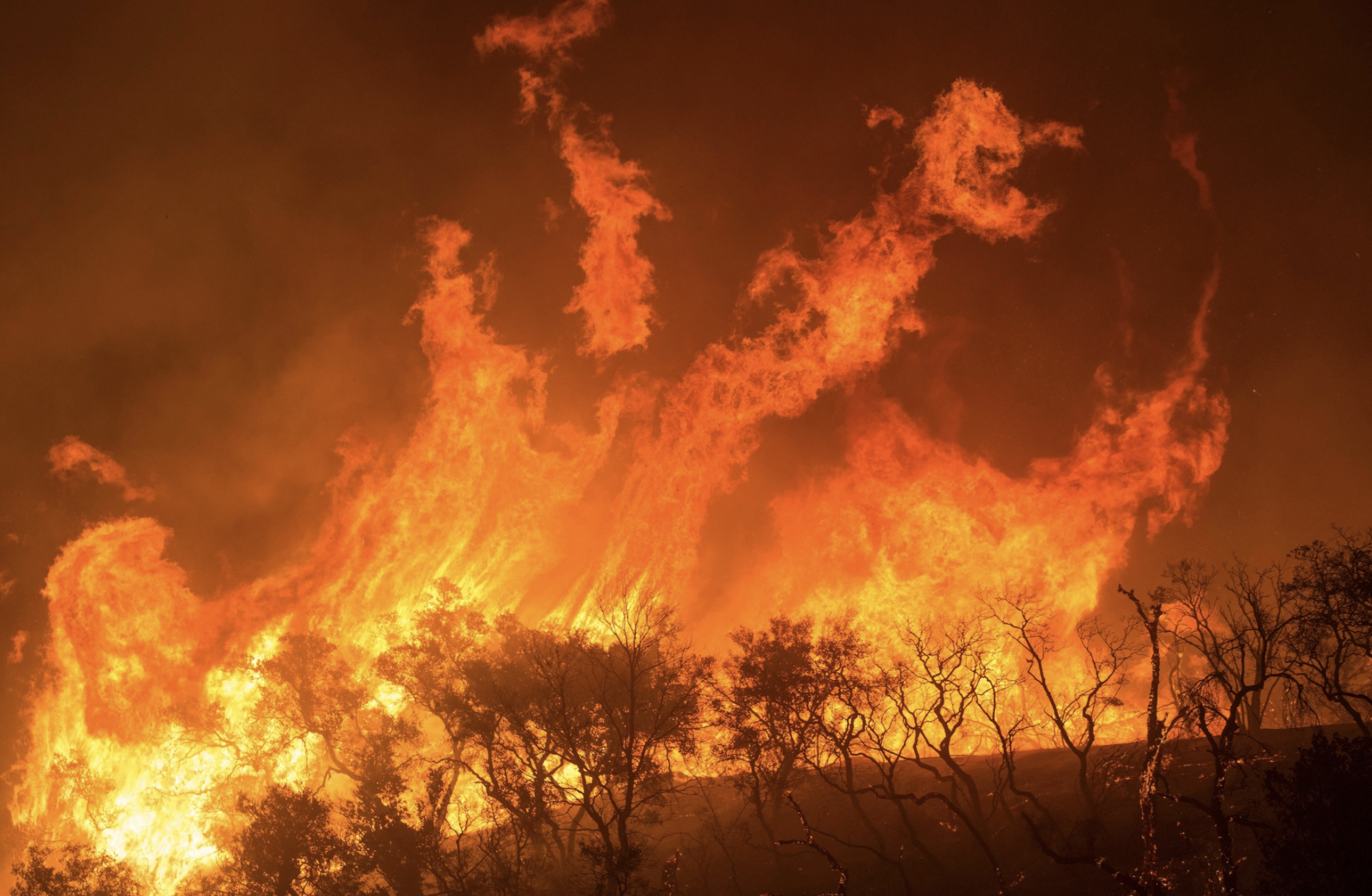
Wildfires in California, while sometimes naturally occurring, have grown in both scale and frequency. This escalation is driven by human activities and population growth. The increasing number of homes and infrastructure projects has placed greater demand on water resources, with many regions requiring costly desalination plants to meet rising demand for drinking water.
The smoke and pollutants released by wildfires have also led to significant health problems, particularly for the elderly and children. Respiratory illnesses and other related conditions have become more prevalent due to poor air quality.
Agriculture and Water Use: A Sustainability Crisis
Seventy percent of California’s water resources are used for irrigation. Much of this water is sourced from groundwater, and the state’s agricultural exports effectively transfer billions of tons of virtual water out of California each year. Over the past two decades, California’s agricultural exports have tripled in value, with nut exports increasing nearly tenfold due to global trade agreements like the Free Trade Agreement (FTA), which enables U.S. agricultural goods to be sold globally at competitive prices.

(Photo by Wonsuh Song, February 2023)
California’s bottled water industry further exacerbates the water crisis. Large quantities of water extracted from local sources are exported to other U.S. states and countries like Japan, compounding the strain on California’s limited water resources.

Solutions: A Path Toward Sustainability
To address the challenges of drought and wildfires, it is essential to identify and tackle the root causes. The following measures are critical:
1. Restrict Agricultural Production and Exports
- Limit water-intensive agricultural practices and reduce exports of California-grown produce to transition toward sustainable farming methods.
2. Regulate the Bottled Water Industry
- Strengthen regulations on the extraction of water for commercial bottling, particularly for export to other states and countries.
3. Develop Desalination and Freshwater Supply
- Invest in sustainable desalination technologies, artificial rainfall, and groundwater recharge initiatives to ensure a reliable water supply.
4. Strengthen Forest Management
- Implement comprehensive forest management and wildfire prevention plans, while reassessing infrastructure expansion into high-risk areas.
5. Policy Support
- Promote sustainable agriculture and efficient water usage through targeted policy measures and incentives.
California’s exceptional drought and wildfires cannot be solely attributed to climate change or extreme weather events. Instead, it is a result of human activities, excessive agricultural practices, and mismanagement of natural resources. Sustainable agriculture, responsible water management, and tighter controls on agricultural and water exports are essential for mitigating the state’s challenges. Without these changes, California risks facing even greater disasters in the future. It is time to move beyond the idyllic memories of paradise and confront the pressing realities of today.
Reference
Song, Wonsuh; Cantor, Alida; and Chang, Heejun (2022). “Virtual Water and Agricultural Exports During Recent Drought in California.” International Journal of Geospatial and Environmental Research, Vol. 9, No. 1, Article 5.
Available at: https://dc.uwm.edu/ijger/vol9/iss1/5
About the Author
Wonsuh Song (Ph.D.)
- Full-time Lecturer, Faculty of School Teacher Education, Shumei University
- Adjunct Lecturer, Faculty of Education, Waseda University
- Visiting Researcher, Center for Spatial Information Science, University of Tokyo



















댓글 남기기