

by Wonsuh Song
University education today stands at a significant crossroads. The traditional lecture-based model, where professors unilaterally transmit knowledge to passive students, no longer satisfies the learning needs of today’s students. In an age overflowing with information, students often grapple not with accessing data but with discerning what they should learn and how to apply that knowledge effectively. Consequently, university education must evolve from mere knowledge dissemination to nurturing students’ ability to independently discover and solve problems.
As a university geography instructor, I’ve observed firsthand that while students are adept at finding information, they frequently struggle to identify what they should be looking for in the first place. This realization has led me to prioritize guiding students in setting their own learning objectives and developing problem-solving strategies over simply delivering content. To achieve this, I have actively incorporated “active learning” methodologies into my teaching approach.
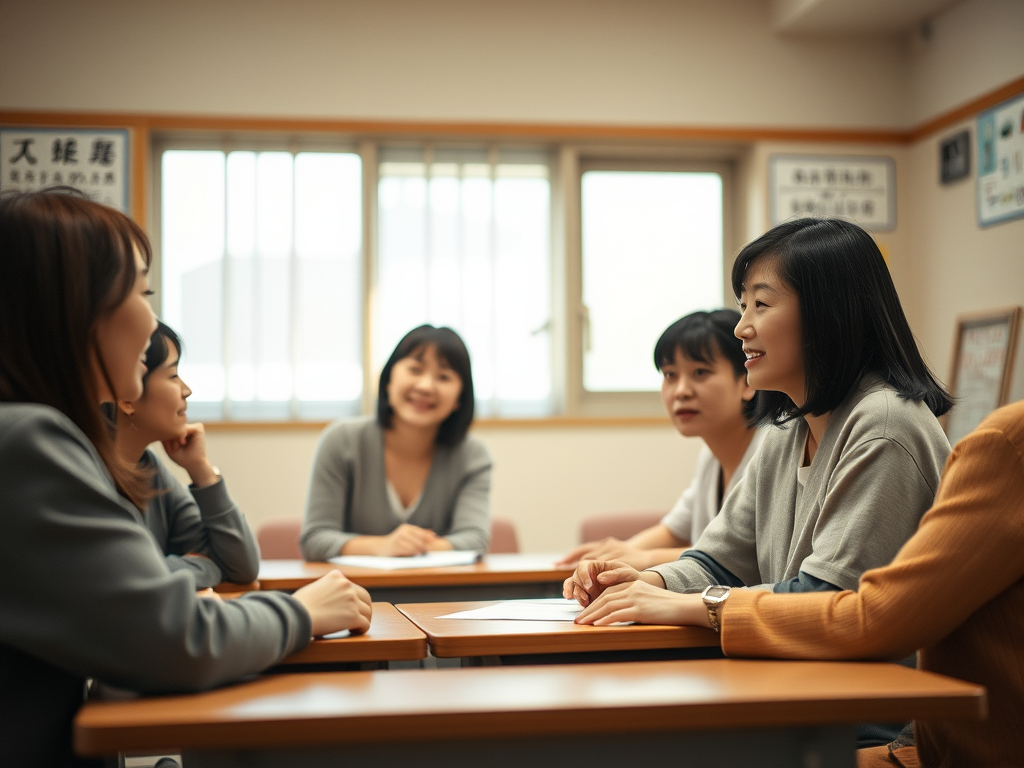
Active learning involves engaging students directly in the learning process through discussions, collaborative projects, and critical thinking exercises. Specifically, I employ group activities to encourage communication and cooperation among students. By randomly assigning students to groups, they interact with peers from different backgrounds and disciplines, fostering a richer exchange of ideas and perspectives. Although many students—particularly in Japan—may initially be hesitant or reserved, this collaborative environment helps them build confidence and become more actively involved over time.
The benefits of this approach extend beyond academic learning. It revitalizes students’ enthusiasm for their education and enhances their overall university experience. I’ve noticed a significant increase in class attendance and participation; students are less likely to skip classes out of disinterest or apathy. Instead, they become more engaged, not only in their studies but also in campus life, forming friendships and expanding their social networks.
Looking ahead, it’s clear that active learning and student-centered education will play a crucial role in the future of higher education. By empowering students to take charge of their own learning journey, we equip them with essential skills such as critical thinking, collaboration, and problem-solving. These are the competencies they will need to navigate the complexities of the modern world successfully.
In conclusion, the shift from passive knowledge transfer to active, student-driven learning is not just an educational trend but a necessary evolution. Universities must create environments where students are encouraged to think independently, work collaboratively, and engage deeply with the material. This transformation will not only increase student satisfaction and academic performance but also prepare them to be proactive, adaptable leaders in whatever paths they choose to pursue.
Wonsuh Song (Ph.D.)
Full-time Lecturer, Faculty of School Teacher Education, Shumei University
Adjunct Lecturer, Faculty of Education, Waseda University
Visiting Researcher, Center for Spatial Information Science, University of Tokyo









댓글 남기기