
By Wonsuh Song
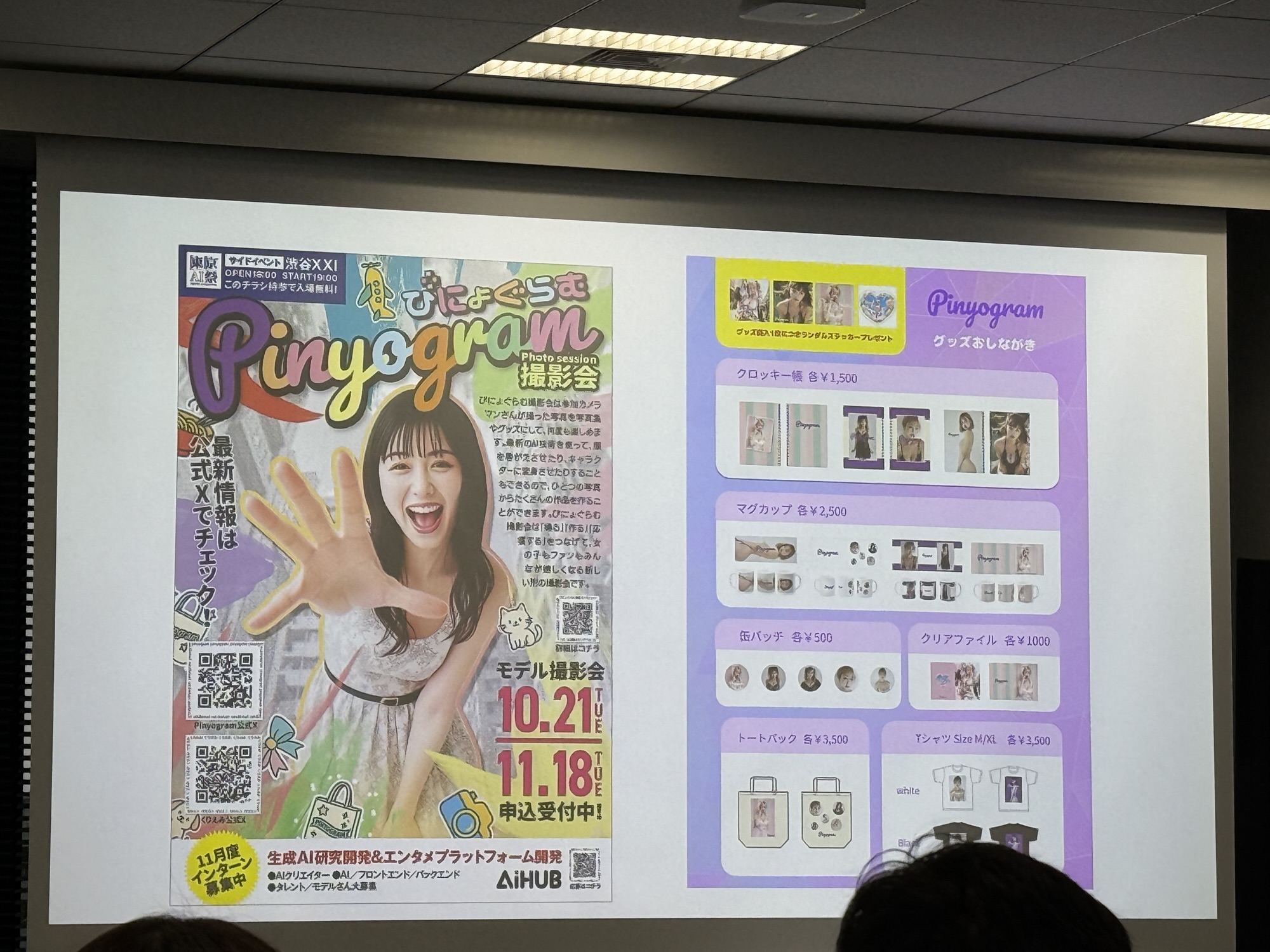
At an AI event in Tokyo, surrounded by tech startups and research demos, the most memorable presentation didn’t come from a tech company — it came from a gravure idol. She introduced herself not as a model, but as an AI content producer. She had founded her own company, trained AI models on her personal image data, and used them to create videos, photo books, and merchandise.
Listening to her story, I realized that AI is beginning to transform the very structure of the entertainment industry. What once required a studio, staff, lighting, and expensive editing can now be done by one person, with one approval: her own. Without an agency or production crew, she could create endless new content — freely, independently, and at scale.
This potential extends far beyond the gravure scene. Underground idols, independent models, and aspiring entertainers could all use AI to create and promote their work. In a country like Japan, where many small companies and freelancers struggle for visibility, AI becomes an equalizer — turning creativity, not capital, into the key currency.
It also sparked another thought: the rise of an AI figure industry. With today’s 3D-generation tools, one could easily turn an AI model into a figurine or virtual avatar. If creators began selling AI-based figures or digital images of themselves, the boundary between reality and imagination — between art, commerce, and identity — would blur entirely.
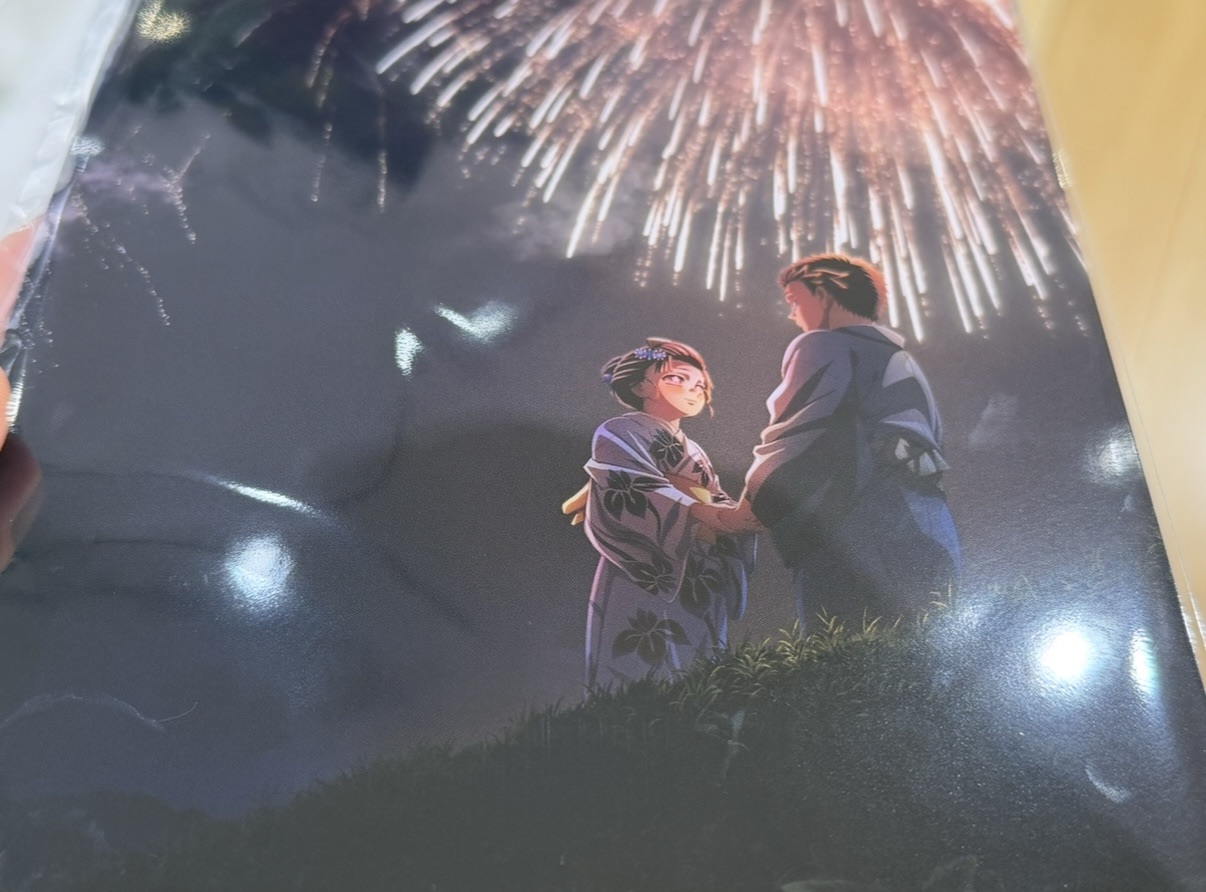
Japan has been cautious in its adoption of AI, slower than Western countries. But that caution conceals a quiet strength: precision and trustworthiness. When Japan does move, it moves deeply. In industries like anime and gaming, where craftsmanship meets creativity, the integration of AI could be revolutionary. With AI assisting in background design, coloring, or animation, Japan’s studios could overcome labor shortages and boost productivity — without losing the artistry that defines them.
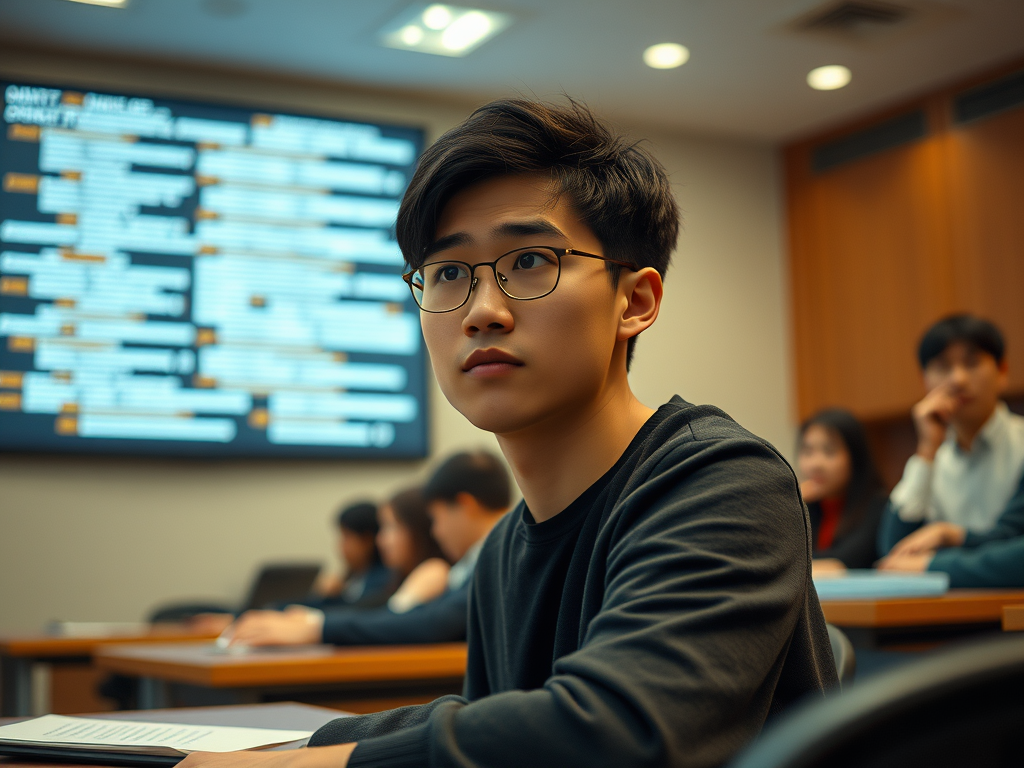
The AI race has only just begun. The question now is not how to stop it, but how to teach it — how to equip young generations with the literacy to use AI responsibly and imaginatively. Banning or fearing AI will not stop its spread; education will. The sooner Japan embraces AI in its classrooms and studios, the sooner it can reclaim its global creative leadership — once again proving the power of “Made in Japan.”
Wonsuh Song (Ph.D.)
Full-time Lecturer, Shumei University / NKNGO Forum Representative








댓글 남기기