By Wonsuh Song
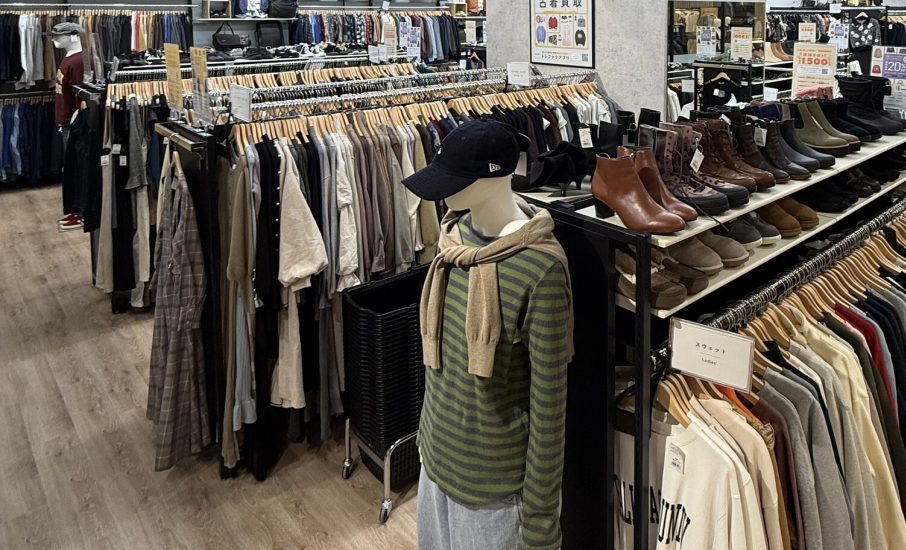
One of the systems I’ve come to appreciate most while living in Japan is second-hand clothing circulation. In Japan, thrift shops are found in nearly every neighborhood, where not only clothes but also bags, shoes, childcare goods, electronics, and books are sold at affordable prices. This system reduces waste, protects the environment, and balances individuality with affordability.
In Korea, by contrast, the system largely relies on clothing collection bins. People assume that whatever is deposited will be “recycled,” but in reality, much of it is exported overseas or incinerated, with little transparency. Moreover, those who donate their clothes gain no economic benefit—at most, they save on garbage disposal fees.
Second-hand shops operate differently. People bring in unused clothes, the shop pays them a small amount, then cleans and repairs the items before reselling them at fair but affordable prices. Consumers can buy unique pieces—sometimes one-of-a-kind—at low prices, while sellers turn unused garments into cash. This not only reduces the environmental footprint of clothing production but also addresses the overproduction and mass disposal issues driven by fast fashion.
Children’s clothing is a prime example. Kids outgrow clothes quickly, and items bought for specific occasions—such as ski camp—may only be worn once. Buying new clothes for such short use is costly, but buying second-hand solves the problem affordably. The same logic applies to childcare goods, shoes, and bags.
At a time when Korea faces both economic hardship and environmental challenges, repurposing vacant shops into local second-hand stores could strengthen regional economies and promote sustainable consumer culture. Combining transparent redistribution with financial incentives would also improve on the opaque collection bin system, ensuring that discarded clothes return to society as valued goods rather than waste.
It’s time to move beyond the stigma of “wearing someone else’s clothes.” Second-hand circulation is not merely a way to save money—it preserves individuality, protects the environment, and lightens the financial burden. If such a system takes root in Korea, society can move closer to a sustainable and efficient future.
Wonsuh Song (Ph.D.)
Full-time Lecturer, Shumei University / NKNGO Forum Representative






댓글 남기기