
By Wonsuh Song
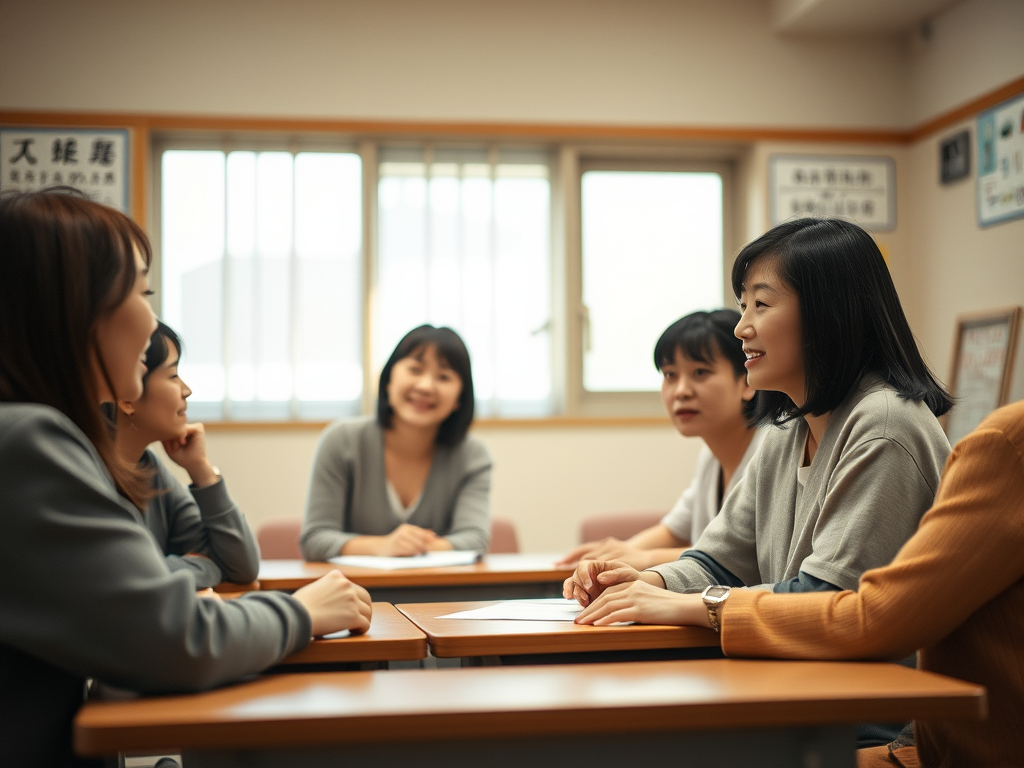
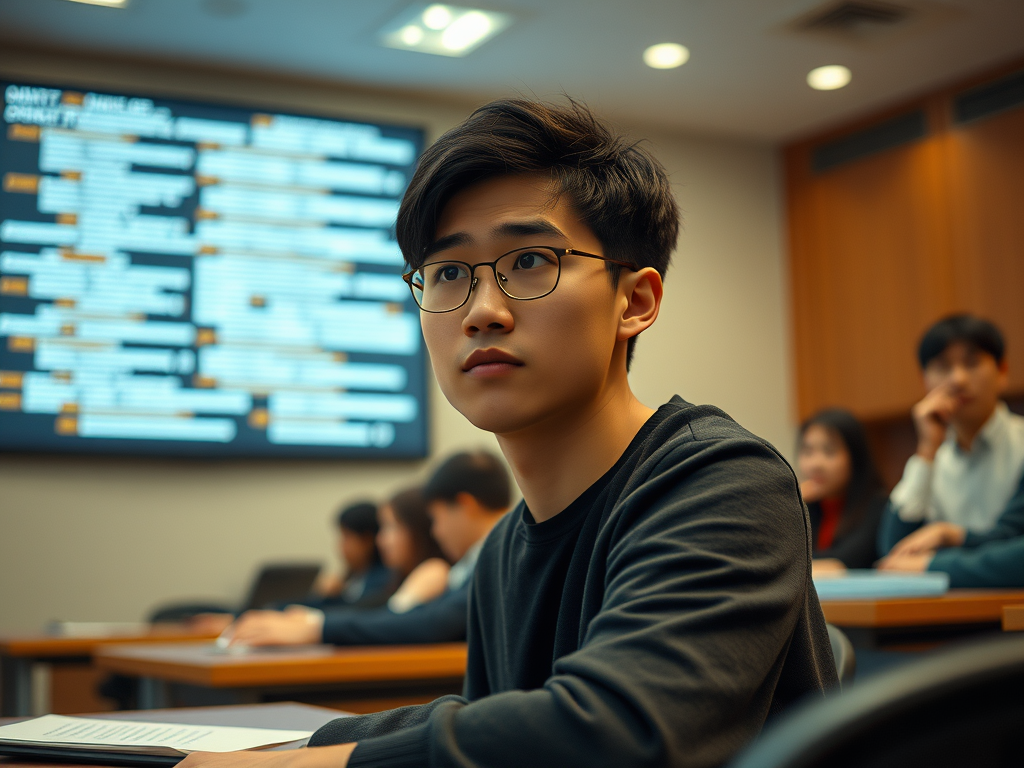
Some time ago, during a parent meeting, I met the mother of a student who had caused the most trouble last semester. She was anxious and deeply worried, yet what struck me was simple: this student was not inherently good or bad, not simply capable or incapable—he was simply a non-standard person. He did not fit neatly into the mold defined by Japanese schools and society. But I believe that it is precisely such students who are most needed in Japan’s classrooms today.
For decades, Japanese schools have idealized the “model” and “diligent” student. Those students then become teachers and reproduce the same type of students. The problem is clear: teachers who have lived entirely within the standard often struggle to understand or guide those who do not. This is why education today needs teachers who themselves have non-standard experiences.
Japan’s postal system provides a telling analogy. There are standard envelopes and non-standard envelopes. Their size and postage may differ, but both are still envelopes. Some items fit neatly into the smaller ones, while others require something larger. Society works in the same way. When efficiency demands that every person be pressed into the same shape, individuals are crushed, and society wastes energy maintaining the pressure. A society that suppresses diversity weakens itself.
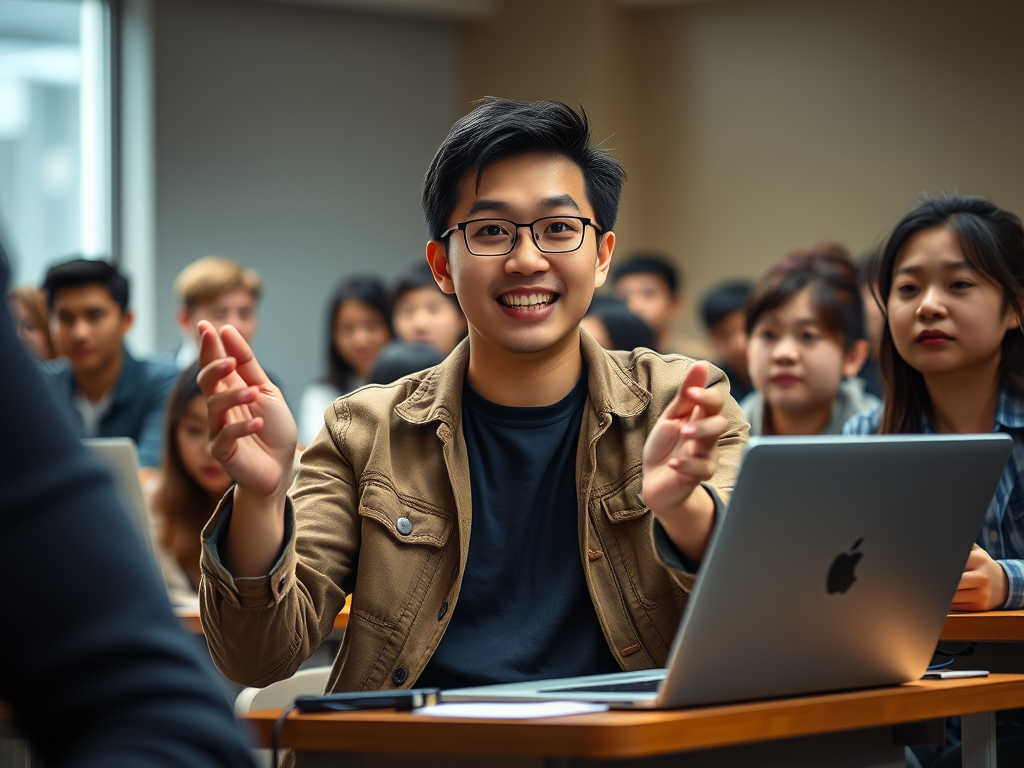
I, too, am a non-standard person in Japan. As a foreigner, I live outside the mold. I also teach video editing, YouTube content creation, and the active use of AI—subjects far beyond the traditional curriculum. This may look unusual for a professor, but in thinking constantly about what students truly need, I may be closer to the essence of teaching. A system where standardized teachers produce only standardized students cannot be healthy. Instead, non-standard teachers who can understand and guide non-standard students fulfill the true mission of education.
Problems such as hikikomori, school refusal, and maladjustment all come down to how society treats non-standard individuals. Exclusion only increases social risk. But when their individuality and talents are nurtured, they can drive innovation and transformation. Perhaps our society is too quick to cut down such possibilities. Now is the time to stop seeing non-standard people as “problems” and start seeing them as seeds of possibility.
Wonsuh Song (Ph.D.)
Full-time Lecturer, Shumei University / NKNGO Forum Representative





댓글 남기기