
By Wonsuh Song
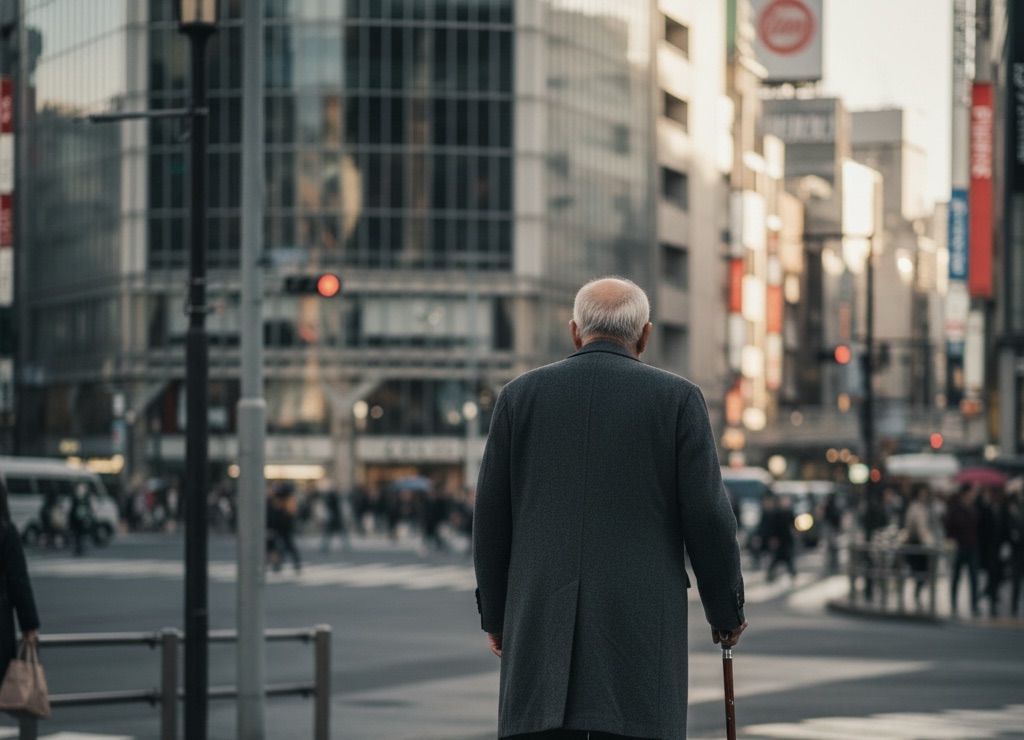
Japan has once again set a record: 29.4% of the population is now aged 65 or older, amounting to over 36 million people. Those aged 75 and above make up 16.1%. While Tokyo still has a relatively visible younger population, in rural areas the reality is stark—elderly residents often seem to make up more than half of the community.
What stands out is that among these seniors, about 9.3 million are still employed, marking the 21st consecutive year of increase. Compared to Italy or Finland—where elderly populations hover around 25%—Japan’s 29%+ figure makes it truly the world’s most “super-aged” society.
This raises an important question: is 65 still an appropriate threshold to define someone as “elderly”? Today, many 65-year-olds are active, healthy, and capable of contributing to society. Retirement need not mean withdrawal; rather, post-65 years can be vital for sustaining not only financial stability but also personal fulfillment and social engagement.
Japan now spends more than one-third of its national budget on social security, including pensions, healthcare, nursing care, and child-rearing. In 2025 alone, the social security budget amounted to 38 trillion yen. Chronic aging has driven these costs upward, particularly in medical care, pensions, and long-term care. While the fiscal burden is undeniable, seniors should not be regarded solely as a cost. If their skills and labor are better utilized, they can become a key resource in addressing Japan’s chronic labor shortages. Alongside greater participation of women in the workforce, mobilizing seniors will be indispensable for Japan’s future vitality.
Having lived in Japan for years, I have noticed how steadily senior-friendly infrastructure has expanded. Handrails, barrier-free stations, buses, and urban planning all highlight Japan’s commitment to an aging population—something especially noticeable after traveling abroad.
What Japan now needs is a shift in mindset. Instead of rigidly enforcing a “65-and-done” retirement model, society should embrace a culture where seniors who wish to continue working can do so with dignity. This approach will not only strengthen Japan but also provide valuable lessons for other nations soon to face similar demographic challenges.
Wonsuh Song (Ph.D.)
Full-time Lecturer, Shumei University / NKNGO Forum Representative








댓글 남기기