

By Wonsuh Song
My experience working across Korea, Japan, and the United States through projects and meetings has revealed striking differences in work styles. While I have never been a full-time employee in these countries, my involvement in academic projects and academic society activities has shown me that each society approaches work in a unique way. What is most important, however, is that none of these approaches is inherently better—they are simply different, and each has its own strengths.
Korea’s greatest strength is speed. Meetings can be convened instantly through personal messaging apps like KakaoTalk, even on weekends, and decisions are made on the spot. Projects begin immediately, keeping pace with Korea’s fast-changing society. Yet this speed comes at a cost: blurred boundaries between work and personal life, constant availability, and accumulated stress.
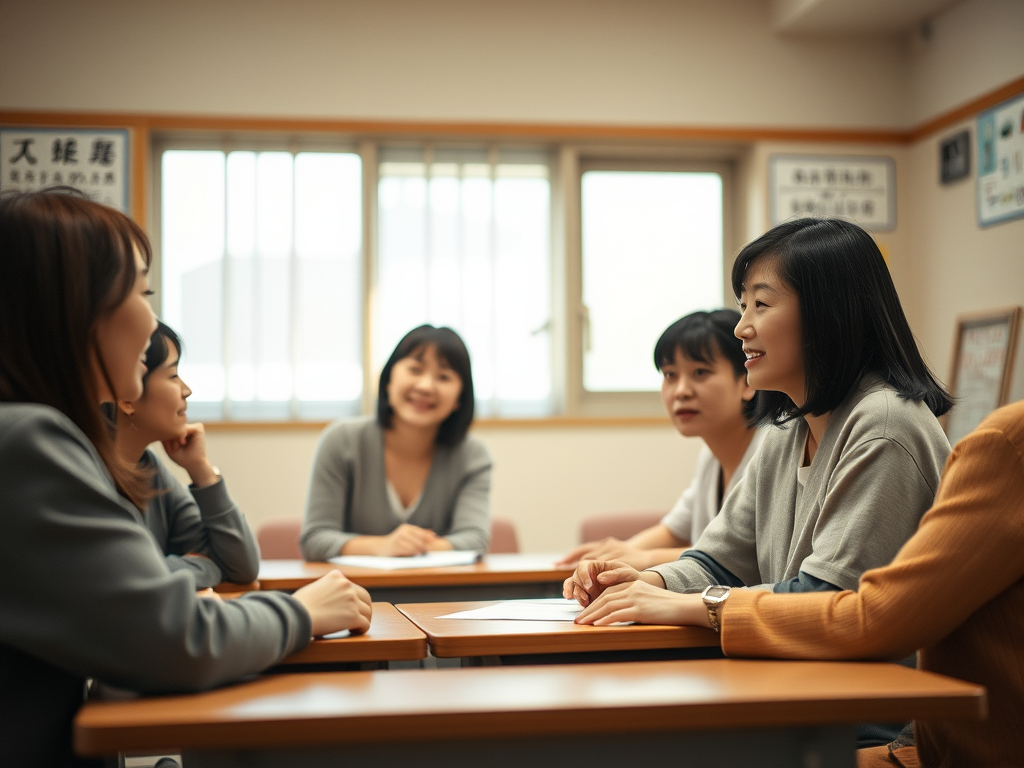
Japan takes the opposite approach. Decisions are rarely immediate. Instead, consensus is built through nemawashi, a careful process of gaining support from stakeholders one by one. Scheduling tools are widely used, as meetings may not happen until weeks later. Even when meetings are held, discussions often center on concerns and obstacles. Minutes are meticulously drafted, circulated, and revised until consensus is reached—a process that can take months. The result is slow progress but thoroughness and precision.
The U.S., meanwhile, emphasizes rationality and efficiency. Administrative staff provide strong support, allowing academics and professionals to focus on ideas and responsibilities. Everything—from flights to lodging and meals—is arranged seamlessly, with no tedious paperwork. In return, meetings demand detailed, accountable input. While this system enables focus and efficiency, it is also uncompromising: those who fail to contribute meaningfully may find themselves quickly cut out.
These three approaches—Korea’s speed, Japan’s meticulousness, and America’s rational efficiency—are profoundly different yet equally valuable. If combined thoughtfully, they could complement one another: Korea’s dynamism balanced by Japan’s thoroughness, supported by America’s administrative efficiency. Such cross-cultural learning could pave the way for healthier and more productive collaboration in an increasingly interconnected world.
Wonsuh Song (Ph.D.)
Full-time Lecturer, Shumei University / NKNGO Forum Representative









댓글 남기기