

by Wonsuh Song
In Japan, the online shopping platform Qoo10 has become a favorite among young women, particularly those with a keen interest in Korean culture. Known for offering Korean fashion, cosmetics, and food at competitive prices, the platform attracts many shoppers with its frequent discounts and promotional coupons.
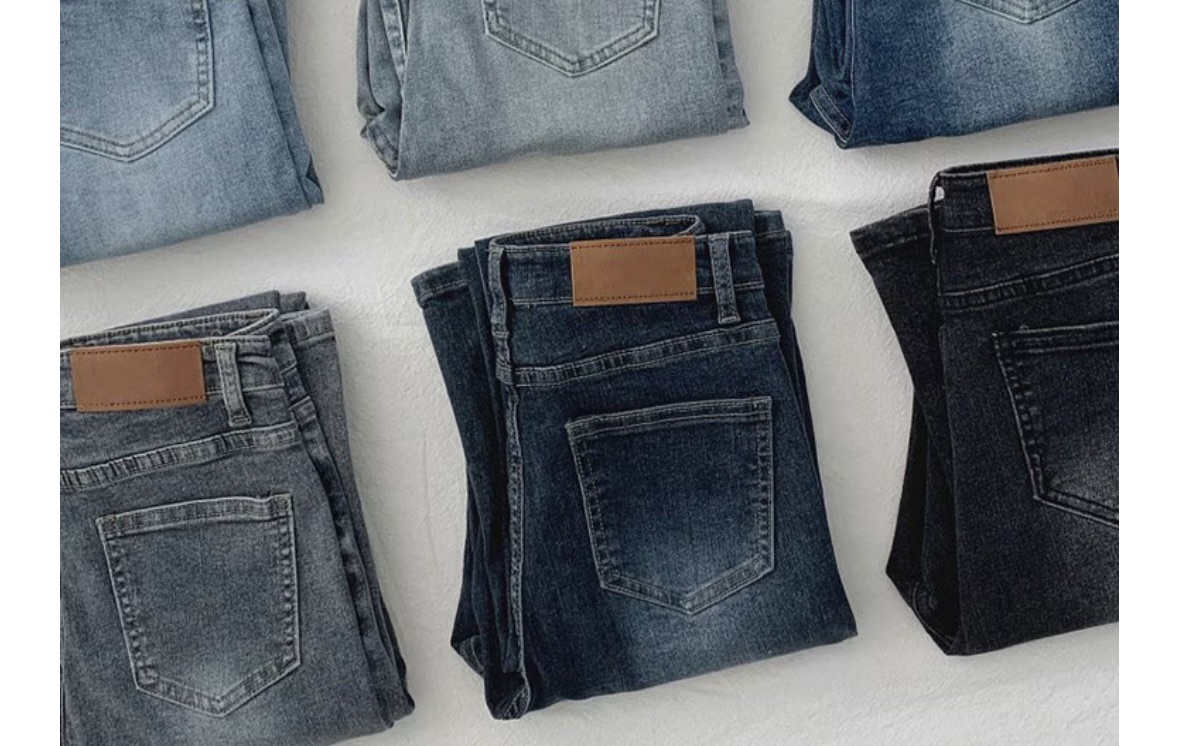
Recently, I purchased a pair of jeans for just 2,200 yen (about 14 dollars) on Qoo10. The quality was impressive, and the delivery was swift. However, as I thought about the journey these jeans must have taken to reach me, several questions and concerns arose.
These jeans were manufactured in China, shipped to Korea, and then delivered to Japan. Producing a single pair of jeans involves numerous labor-intensive steps: cultivating cotton, spinning yarn, weaving fabric, dyeing, cutting, sewing, and adding finishing touches like washing. With so much effort and resources involved, how is it possible to sell these jeans to consumers for just 2,200 yen?
This realization led me to consider the broader implications of fast fashion. The low price might be appealing to consumers, but at what cost to the workers and the environment?
Fast fashion is known for providing affordable, trendy clothing to consumers. However, behind the scenes, it often relies on exploitative labor practices and contributes significantly to environmental degradation.
In many cases, workers in countries like China or Southeast Asia are underpaid and work in harsh conditions to produce these low-cost garments. For a product priced at 2,200 yen, the wages earned by those who made it are likely meager. This systemic exploitation allows fast fashion brands to maintain their low prices, while workers bear the burden of poor working conditions and inadequate pay.
The environmental impact is equally concerning. Producing a single pair of jeans requires thousands of liters of water, and the dyeing and washing processes often release harmful chemicals into local waterways. Additionally, the transportation of products from manufacturing sites to end consumers generates a significant carbon footprint. These environmental costs are rarely factored into the retail price but have far-reaching consequences for the planet.
Consumers play a central role in the fast fashion ecosystem. While low prices can be tempting, we must consider the true cost of the items we purchase. Understanding the production processes and the sacrifices made by both workers and the environment can lead us to make more responsible choices.
Opting for sustainable brands, reducing unnecessary purchases, and valuing the longevity of the clothes we already own are small yet impactful steps. As consumers, we have the power to demand change by supporting fair trade practices and holding brands accountable for their environmental and social impact.
Fast fashion offers affordability and convenience, but it comes at a significant cost to people and the planet. The story of a 2,200 yen pair of jeans is not just about affordability—it’s a wake-up call to question the values that underpin our shopping habits.
Next time you shop, ask yourself: “What impact does my purchase have on the environment and the people who made it?” By making thoughtful choices, we can contribute to a more sustainable and equitable future. After all, the price we pay for fast fashion isn’t just monetary—it’s a cost borne by the workers, the environment, and, ultimately, future generations.
Wonsuh Song (Ph.D.)
Full-time Lecturer, Faculty of School Teacher Education, Shumei University
Adjunct Lecturer, Faculty of Education, Waseda University
Visiting Researcher, Center for Spatial Information Science, University of Tokyo

















댓글 남기기