

By Wonsuh Song
Over 20 years ago, I came to Japan as a student. Living here ever since, one of the first things that struck me wasn’t something flashy or dramatic—it was the streets. More precisely, how incredibly clean they were.
When I had visited Japan as a tourist, I was too overwhelmed by the scenery and itinerary to notice such details. But once I began living in a regular neighborhood—not in tourist zones—my perception changed. Even in back alleys and ordinary residential areas, there was no litter. No one spat on the ground. Bicycles were parked properly. People queued calmly and fairly. There were no abrupt interruptions, no one cutting in line, and no signs of illegal parking. Life felt more predictable. And with predictability came an unexpected sense of ease.
But this kind of order and cleanliness didn’t come about by accident. Japan’s streets are not clean because someone else is doing the job behind the scenes. They are clean because nearly everyone takes part in keeping them that way. Homeowners sweep their entryways. Shopkeepers clean not only their storefronts but also the surrounding sidewalks. Apartment managers clean building exteriors and entry areas.
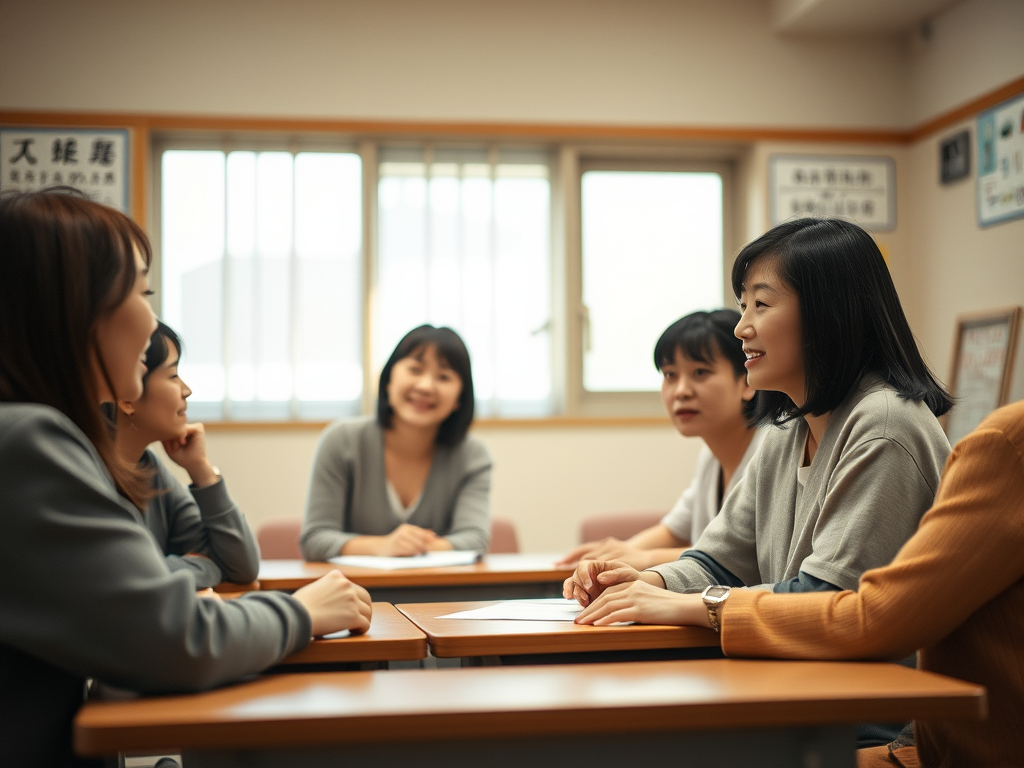
Students in schools are required to clean their classrooms and hallways. From a young age, they experience cleaning as a shared duty, not as punishment. And those who grow up wiping down their surroundings tend not to casually discard trash later in life. They don’t just benefit from cleanliness—they protect it.
Social pressure also plays a unique role. When someone cuts in line or breaks public etiquette, people don’t usually scold them outright. Instead, a soft but unmistakable “tsk” may be heard from behind. It’s subtle, but in Japan, it’s a strong expression of disapproval—enough to make most think twice. These small cues create a powerful sense of accountability.
Bicycle parking culture offers another window into Japan’s social order. Leave your bike in the wrong spot and it’ll quickly get tagged. Leave it for too long, and it will be towed. Retrieving it can cost several thousand yen, plus a trip to a remote storage facility. These measures are clear and consistent, and they work—because consequences matter.
Cleanliness in Japan is not maintained by virtue alone. It’s supported by a network of education, hands-on participation, social signaling, and institutional systems. The result is a society where people don’t rely on others to create a good environment—they feel responsible for it themselves.
What Japan teaches us is this: clean streets don’t exist because someone else cleaned them. They exist because people believe it’s their job to keep them that way.
Wonsuh Song (Ph.D.)
Full-time Lecturer, Shumei University / NKNGO Forum Representative










댓글 남기기