
By Wonsuh Song
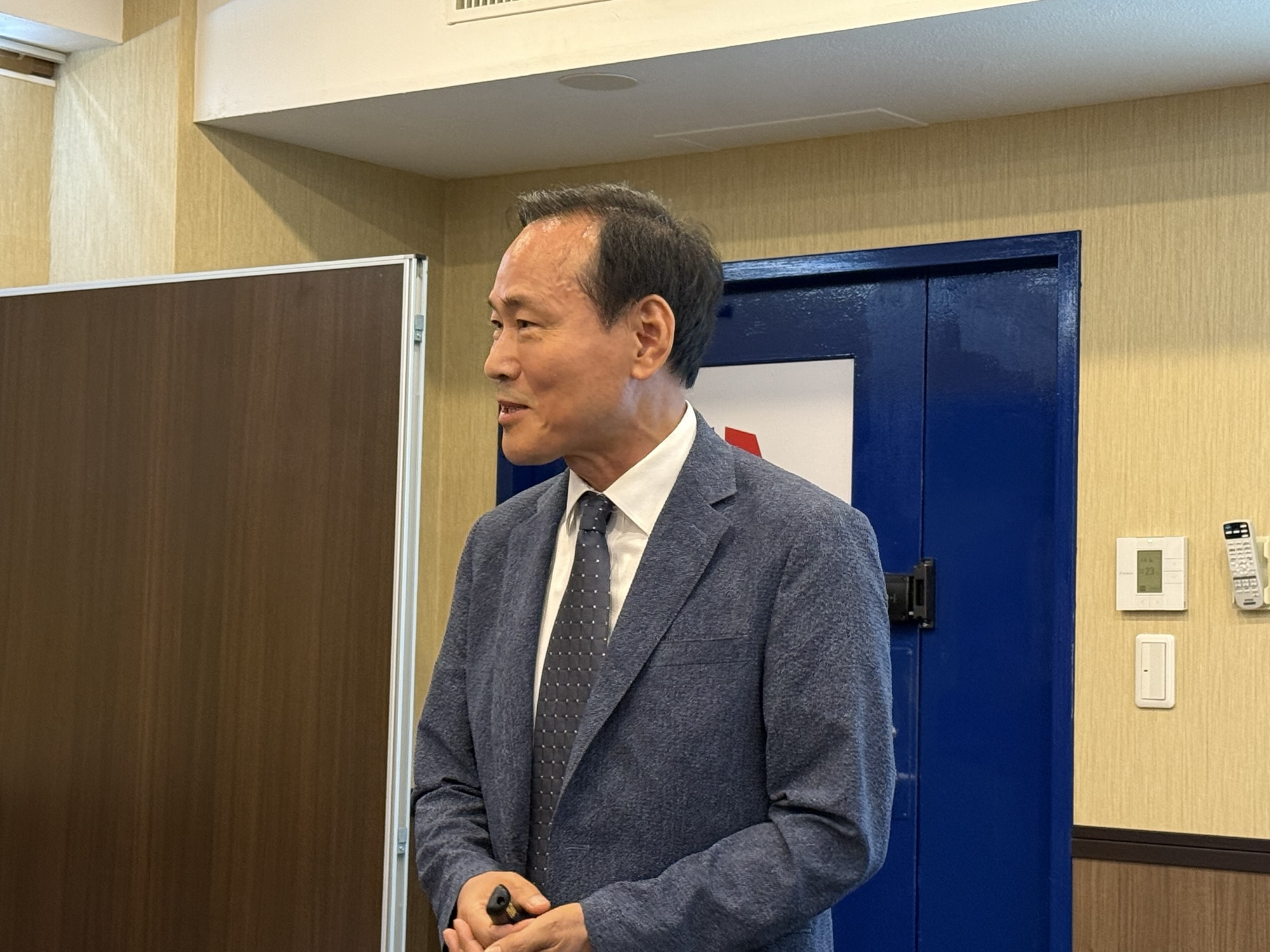
Yesterday in Tokyo, I attended a lecture by Mr. Kyungyoung Jeong, a veteran career and academic guidance counselor. Having dedicated decades to working passionately with students, his words carried the kind of weight that can only come from a life spent in the field. Among all he shared, one idea resonated most deeply with me: career design should begin with the job title—using a top-down approach.
As a university educator at a Japanese teacher-training college and a parent raising two children, I constantly struggle with one central question: How should we guide students and our own children in career planning? For me, career guidance is not confined to the classroom. It extends into the home, shaping how young people understand their future.
What Mr. Jeong emphasized—knowing what students are good at, helping them visualize their strengths in concrete professional paths, and working backward from a specific job—was eye-opening. Too many students end up in majors that don’t suit them, wasting time, energy, and sometimes even motivation. A top-down approach—identifying the career first, then tracing back through qualifications, major, subject choices, and relevant abilities—is not about premature decisions. It’s about imagining a future with clarity and purpose.
Helping students or our children find what they excel at—and where they can shine—is more than academic advice. It’s a shared mission between teacher and parent, one that can save them from drifting aimlessly and instead empower them to build a meaningful life. After all, the word “career design” includes “design” for a reason: it’s a blueprint, not a lottery.
Wonsuh Song (Ph.D.)
Full-time Lecturer, Shumei University / NKNGO Forum Representative










댓글 남기기