
By Wonsuh Song
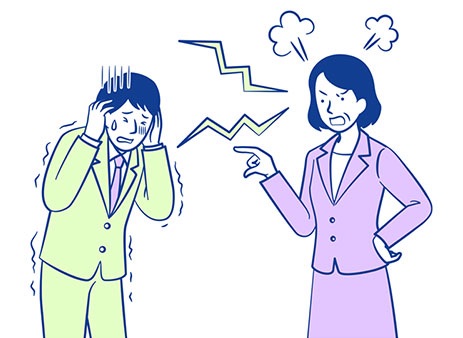
In Japan, the word “pawahara” (short for power harassment) is no longer just HR jargon—it is part of everyday language. The abuse of authority by superiors, often akin to bullying or exploitation, has become so prevalent that the government has issued public guidelines categorizing typical forms of power harassment. This initiative alone speaks volumes: Japan is no longer asking whether power harassment exists, but rather how to confront it.
The six major types of “pawahara” officially recognized include physical violence, psychological abuse (threats, insults, humiliation), excessive demands (impossible tasks), insufficient demands (being deliberately left without work), social isolation, and invasion of privacy. Each one of these undermines an individual’s self-worth and professional dignity.
One particular issue in Japanese workplaces is the use of social exclusion as a tactic. Employees may be assigned to meaningless roles, seated in isolation, or systematically ignored in meetings. These forms of silent harassment, while lacking overt aggression, have deeply corrosive effects over time.
Reporting such incidents is rarely straightforward. Even when internal reporting channels exist, many workers are reluctant to use them for fear of retaliation or social stigma. In too many cases, whistleblowers are the ones who end up leaving.
The situation echoes another well-known Japanese term: “ijime,” or school bullying, which has long plagued the nation’s education system. The parallel here is disturbing. If society requires ongoing campaigns for diversity, gender equity, and anti-bullying, it implies a stark truth—these problems persist widely and structurally.
We must move beyond simply recognizing the term “pawahara.” We must ask: What can we do when we encounter it? How do we support those affected? How do we ensure that those who speak up are not punished for doing so?
It’s time to speak out. It’s time to act. Power harassment and sexual harassment are not isolated misbehaviors—they are structural violations that demand a collective response. Recognizing them is only the beginning.
Wonsuh Song (Ph.D.)
Full-time Lecturer, Shumei University / NKNGO Forum Representative










댓글 남기기