

By Wonsuh Song
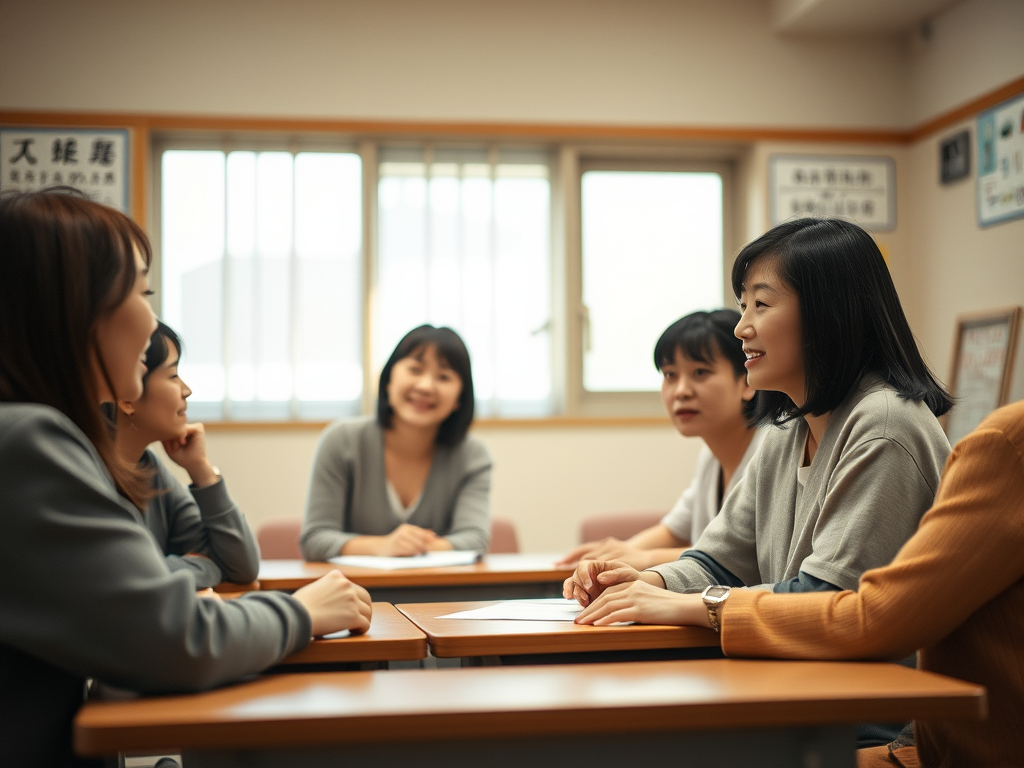
One of the biggest changes I’ve noticed in university classrooms lately is the steady decline in students’ ability to concentrate. Even before my words reach them, students’ eyes and hands drift off to smartphone screens. No matter how well-prepared the lecture may be, it’s often a struggle to hold their attention. This challenge is something every educator—whether professor or teacher—can likely relate to.
In an effort to break through this difficulty, I began experimenting with something simple yet surprisingly effective: unused everyday items from home. Things I once thought useful but never ended up using—souvenirs, cute stationery, small gadgets—were now just clutter. So, I began bringing them to class. I used them as prizes, given to students who actively participated or answered questions quickly and accurately.
The result was immediate and powerful. Students who used to remain silent now eagerly raised their hands. Those who rarely spoke became engaged and vocal. After class, students would ask, “Will there be prizes next week?” or “I really wanted today’s item!”
But this isn’t just about handing out free stuff. When I give these items, I tell my students: “This isn’t just a thing—it’s like a charm. It represents your courage and participation today.” Their faces light up. A simple object turns into a memorable token of recognition and encouragement.
Today’s college students often live on tight budgets. For them, even small, whimsical items can bring joy. When those items come with recognition and personal connection from a professor, they become meaningful keepsakes.
This method costs nothing. It transforms what was once clutter in my home into motivational tools for my students. It may not suit every class, but for teachers seeking active participation, it’s worth trying. What matters isn’t the object itself, but the story and sincerity behind it.
The decline in attention spans is not just about distraction—it reflects a loss of meaning, reason, and satisfaction in learning spaces. In that sense, these “small treasures” are not just objects, but bridges that reconnect the classroom community.
When students say, “I want to know more,” or “I want to be part of this,” that’s where real education begins. And sometimes, the key to unlocking that desire is waiting quietly in your drawer.
Wonsuh Song (Ph.D.)
Full-time Lecturer, Shumei University / NKNGO Forum Representative








댓글 남기기