

By Wonsuh Song
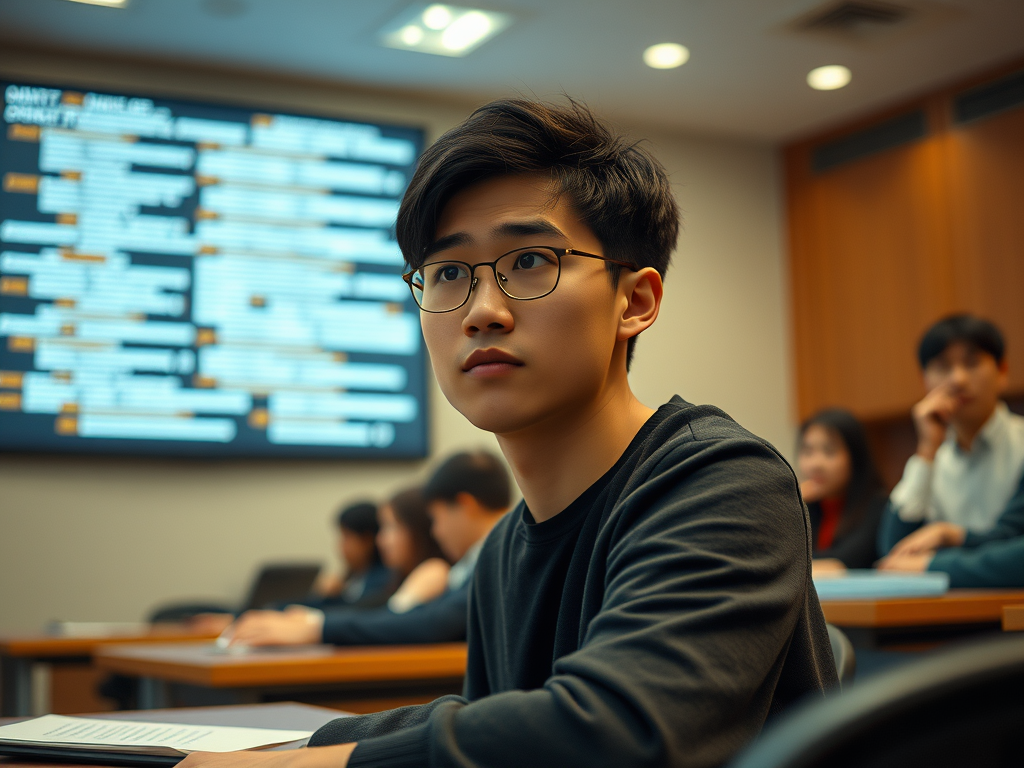
One of my students consistently stumbled at the gate of “writing.” In our department, paperwork—reports, proposals, and formal briefs—dominates the curriculum, so weak writing threatened the student’s overall performance. Recently, when an important document was due, the AI‑free draft consisted of a handful of incomplete sentences with neither structure nor substance.
I sat the student down and demonstrated AI‑assisted drafting: locking in a solid outline, templating routine administrative expressions, and fine‑tuning tone, length, and formatting in minutes. The transformation was dramatic. Within hours, the draft evolved into a polished official document, and the student emerged with newfound confidence—a genuine quantum leap. Once writing ceased to be a bottleneck, the student’s innate capabilities could finally shine.
Faculty work is similar. Reports, minutes, and assessment forms are largely repetitive and format‑driven. AI tools sharply cut the time, effort, and cost involved. Yet some universities still restrict or ban AI on grounds of “plagiarism risk” or “learning inhibition.” Such bans now verge on forfeiting both academic freedom and institutional competitiveness.
The solution is not prohibition but education. Every student and staff member urgently needs a formal curriculum covering AI ethics and citation, prompt engineering, template construction, and result verification. AI is not a substitute for creativity; it automates routine clerical tasks so that human creative thinking can flourish.
Higher education must stop blocking AI and instead build an environment where responsible, frictionless use is the norm. Only institutions and individuals with robust AI literacy will meet escalating workloads while boosting scholarly and administrative productivity alike.
Wonsuh Song (Ph.D.)
Full-time Lecturer, Shumei University / NKNGO Forum Representative








댓글 남기기