By Wonsuh Song
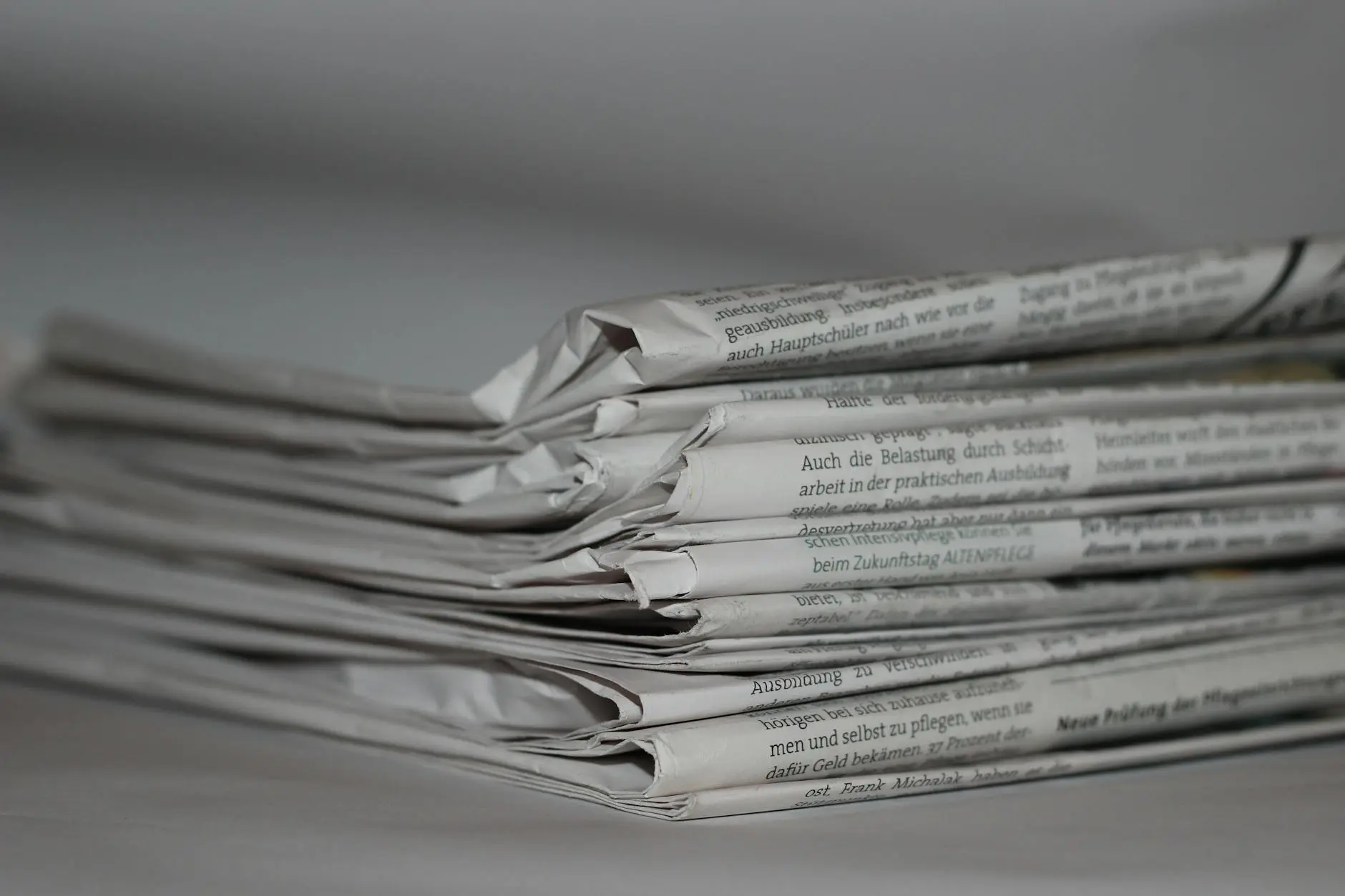
There was a time when this was a familiar sight—starting the morning with a fresh copy of the newspaper, delivered straight to the mailbox, accompanied by a hot cup of coffee. The texture of the paper, the density of printed words, even the scent of ink on fingertips—all of it was part of the daily ritual. I was one of those people who cherished that. And truthfully, I still am.
Among the papers, I’ve long held affection for Nihon Keizai Shimbun. As a specialist economic daily, it offered more than sensational headlines—it presented context, analysis, and a sense of the structural currents that shape our society. But at some point, the piles began to mount. Newspapers stacked on tables, unread copies gathering dust, and that was like home works—these patterns grew all too familiar.
So I tried switching to digital. There was lightness in not carrying paper, the convenience of searchable archives, and the efficiency of mobile alerts. Yet oddly enough, I found myself reading less. Without the tactile experience, without the deliberate action of turning a page, the flow of engagement seemed to stall. So I went back to print, seeking the rhythm and texture of real reading.
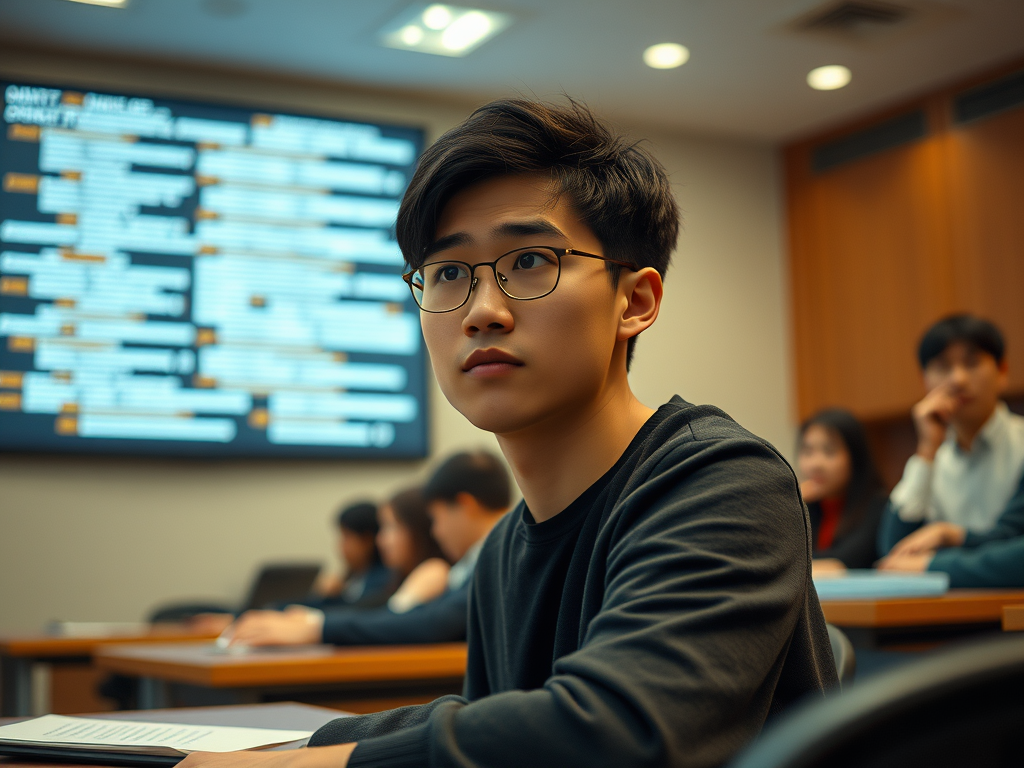
But now, once again, I find myself at the crossroads. I can read at the university, I can integrate it into my academic routine, and above all, I can stay connected to meaningful journalism. Because these days, what we call “news” is increasingly reduced to snippets—attention-grabbing clickbait on portal sites, served by algorithms rather than journalistic intent.
In a world where everything is available, we seem to seek out less. Free information, served at the flick of a finger, often lacks the depth that real journalism provides. I find that troubling. That’s why I want to return to newspapers—not for mere facts, but for the space to think, to understand, to reflect.
Though I’ve canceled my Nikkei subscription, I haven’t lost my respect for what a good newspaper stands for. It shapes our perception of society and encourages us to question what lies beneath the surface. Whether in print or digital form, what matters is our attitude toward news. Are we just consuming, or are we truly reading? That is the question we must keep asking in this age of overwhelming access.
Wonsuh Song (Ph.D.)
Full-time Lecturer, Shumei University / NKNGO Forum Representative






댓글 남기기