
By Wonsuh Song
A Saturday afternoon, stretched out for over four and a half hours, became one of the most unexpectedly rewarding experiences in recent memory. The occasion? A PTA gathering for a private junior high school in Japan—complete with a 2.5-hour French course lunch and a subsequent two-hour school meeting.
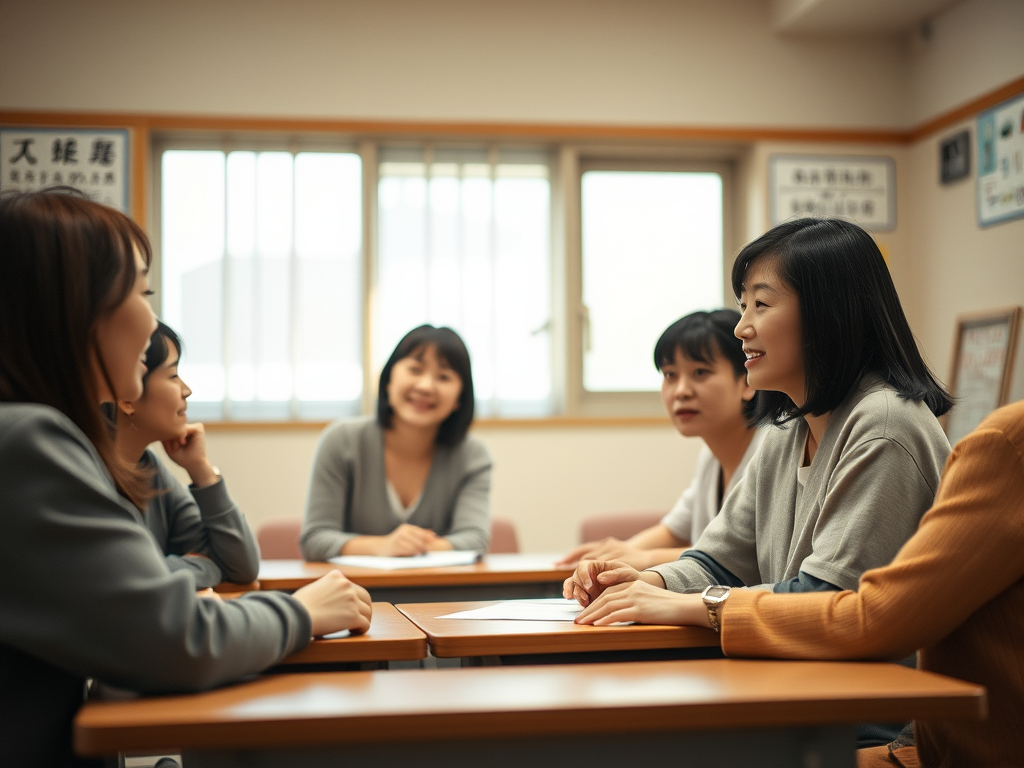
At first glance, this might seem excessive. But in truth, it was an immersion into the deep-rooted culture of Japanese parental involvement in education. The lunch was not just a meal—it was a finely orchestrated social exchange where six parents per table, mostly mothers, engaged in long, fluid conversations. Astonishingly, over 90% of invitees showed up. And it wasn’t about bragging rights. Instead, many mothers modestly downplayed their children—”He’s always playing games,” “She never studies”—creating a space of shared struggles and gentle humor.
The real utility lay in information. Parents with older children—especially those with siblings already in high school—became de facto advisors, sharing insights about teachers, future coursework, and even entrance exam tactics. This was a live-action Wikipedia of the school system, nuanced and updated.
Later, at the school building, homeroom teachers gave thorough briefings. Topics ranged from assignment trends to upcoming school trips and financial updates. Each parent received sealed documents containing report cards and budget summaries. Teachers then circulated around tables, accepting questions and offering tailored insights.
These PTA meetings don’t occur often, but they are far more than obligatory school events. They act as a mirror to the child’s world, giving parents a rare window into their children’s educational landscape. They also establish an emotional link between home and school—something that breeds confidence and calm in parenting.
What surprised me most was the warm curiosity many parents expressed toward Korean pop culture. Their children’s enthusiasm for K-dramas and K-pop seemed to naturally extend to them, leading to conversations where I, a Korean-rooted parent, became something of an informal cultural ambassador.
Veteran parents often say that friendships forged through PTA meetings last long after the children leave school. When you share meals, worries, and laughter during such formative years, it creates a foundation that is hard to shake. In that sense, these PTA gatherings feel like an unscripted curriculum—a shadow syllabus that teaches connection, community, and care.
Wonsuh Song (Ph.D.)
Full-time Lecturer, Shumei University / NKNGO Forum Representative







댓글 남기기