

Parent–child harmony is easy to tout yet hard to sustain. Many parents ask why children close their hearts and neglect study, but few pause to examine the daily scenes that shape those hearts. My years with students have shown a consistent truth: children learn far more from a home’s ambience than from a parent’s commands.
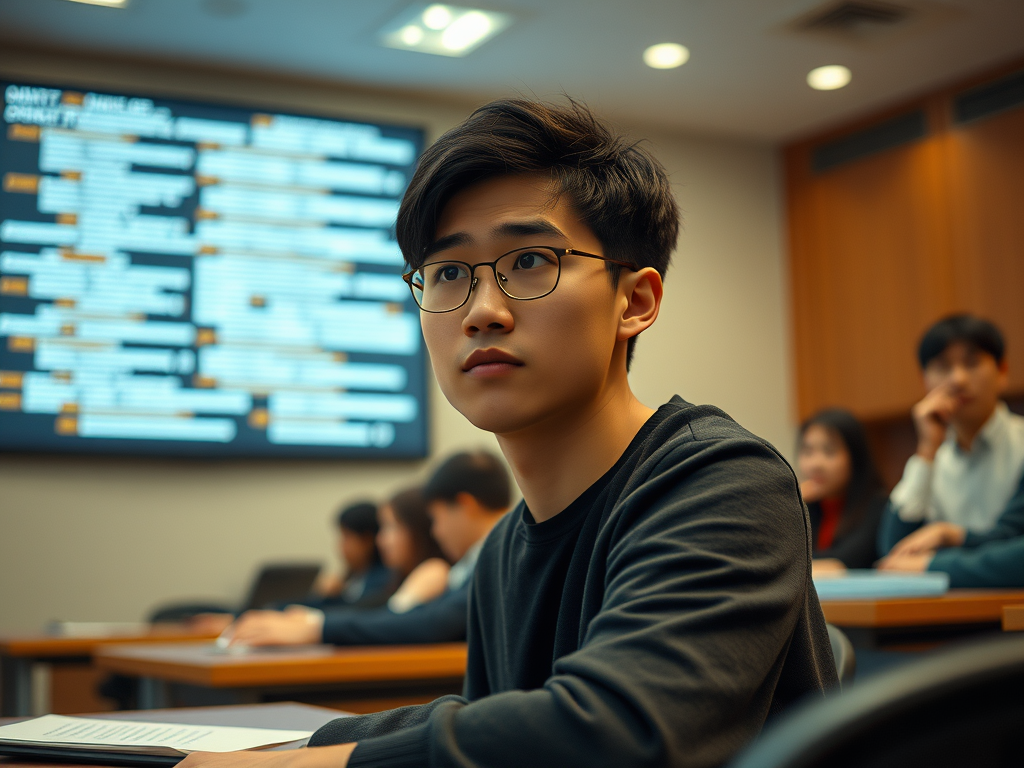
Social media magnifies every achievement and failure, shredding any notion of “average.” When parents respond with nostalgia—“In my day we all managed”—they sound tone‑deaf. The child hears, “My struggles do not matter.” Parental empathy, therefore, is not a luxury but a prerequisite. Asking how the day felt, acknowledging disappointment before dissecting mistakes—such gestures invite the child to keep talking, which is half the battle won.
Redefining success is the next step in defusing pressure. A foreign Ivy League degree may dazzle, but if it leaves parent and child continents apart and emotionally estranged, is that victory? Conversely, families that value independence, curiosity, and mutual support—regardless of school brand—report higher life satisfaction. When parent and child coauthor the definition of success, they shift from adversaries in a zero‑sum game to allies on a shared journey.
Economic realities complicate the timeline. The “kangaroo adult” who remains financially dependent into the late thirties is no longer a rarity. Dependence itself is not inherently toxic; ambiguity is. Without agreed‑upon contributions to household chores, bills, and a clear independence horizon, guilt and resentment mushroom. Treat independence as a family project: set dates, list skills to acquire, celebrate incremental wins. Transparency shields the bond from corrosion.
The good news is that relationship maintenance thrives on small, steady rituals. Fifteen minutes of daily check‑in, a Saturday walk, a lively chat about a podcast, a handwritten note of thanks—these habits form a soft landing pad for inevitable conflicts. Tonight, trade the remote control for a book and sit quietly beside your child. The rustle of pages may say, louder than any lecture, “I’m on your side, always.”
Wonsuh Song (Ph.D.)
Full‑time Lecturer, Shumei University / NKNGO Forum Representative








댓글 남기기