

In the age of AI, the role of educators—especially university instructors—has fundamentally shifted. With instant access to vast amounts of information readily provided by numerous digital tools, simply delivering knowledge no longer justifies a teacher’s existence. The primary challenge now is designing a learning environment where students can genuinely focus, engage, and internalize knowledge effectively within the allotted class time.
University lectures typically last 90 minutes for 15-week semesters or 100 minutes for 14-week semesters. Maintaining students’ concentration for this duration has become increasingly difficult, particularly for a generation accustomed to the instant gratification of smartphones and short-form content. To be frank, even adults struggle to sustain their attention over such extended periods. Given these realities, merely forbidding students from checking their phones or demanding constant eye contact with the lecturer is ineffective and unrealistic. Yet, we also cannot allow students to drift aimlessly, disengaged from class content.
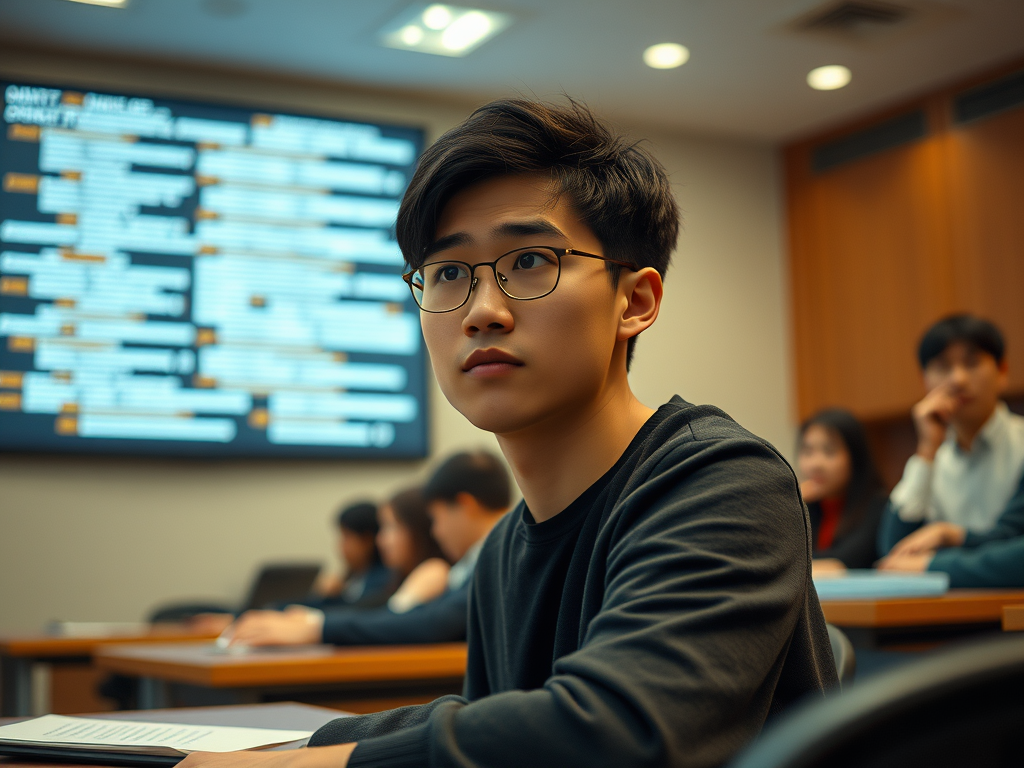
To address this issue, I have implemented a simple yet transformative method in my classroom: requiring students to bring and actively use tablets or laptops during class sessions. When an unfamiliar term, concept, or place arises, students immediately search online and share their findings in real-time. Initially, students find this method somewhat unconventional, but after a few sessions, this habit becomes second nature.
The most significant advantage of this approach is that it substantially reduces distractions. Classes often introduce unfamiliar terminology or concepts, and students who fail to grasp these in real-time quickly become disengaged from subsequent content. However, my approach gives no room for distraction; students remain continuously engaged in active inquiry, maintaining their attention and effectively following the flow of the lecture.
Furthermore, this practice significantly alters how students approach learning. Typically, students postpone addressing their curiosity, intending to look things up later. However, instant resolution of questions during class time cultivates a new habit—students begin proactively seeking answers immediately whenever questions arise, both within and outside the classroom. This shift represents more than just a temporary adjustment during my classes; it signifies a broader improvement in their overall learning habits.
The rise of AI also impacts how students handle assignments. Increasingly, students rely on AI tools to draft their reports or essays. Instead of resisting or prohibiting this, I encourage active AI use, provided students do not submit AI-generated content directly. Instead, I require oral presentations based on their research. Reading copied-and-pasted text aloud inevitably reveals insufficient comprehension. Only students who thoroughly understand and have personally integrated their research can effectively articulate their presentations. This method not only clearly demonstrates their depth of understanding but also reinforces the true meaning of learning.
Adopting these methods presents new challenges for educators accustomed to traditional lecturing methods. However, as AI evolves, instructors must continually reconsider and innovate their teaching strategies. We must design classes that encourage students to leverage technology ethically, enhancing their independent learning skills rather than allowing technology to replace critical thought.
Ultimately, educators in the AI era must transition from information deliverers to learning experience designers and facilitators of inquiry. Creating classroom environments that nurture genuine engagement, sustained attention, and proactive curiosity represents our most significant responsibility. It is precisely this shift that will ensure our students thrive as autonomous learners in a rapidly evolving educational landscape.
Wonsuh Song (Ph.D.)
Full-time Lecturer, Shumei University / NKNGO Forum Representative










댓글 남기기