

By Wonsuh Song
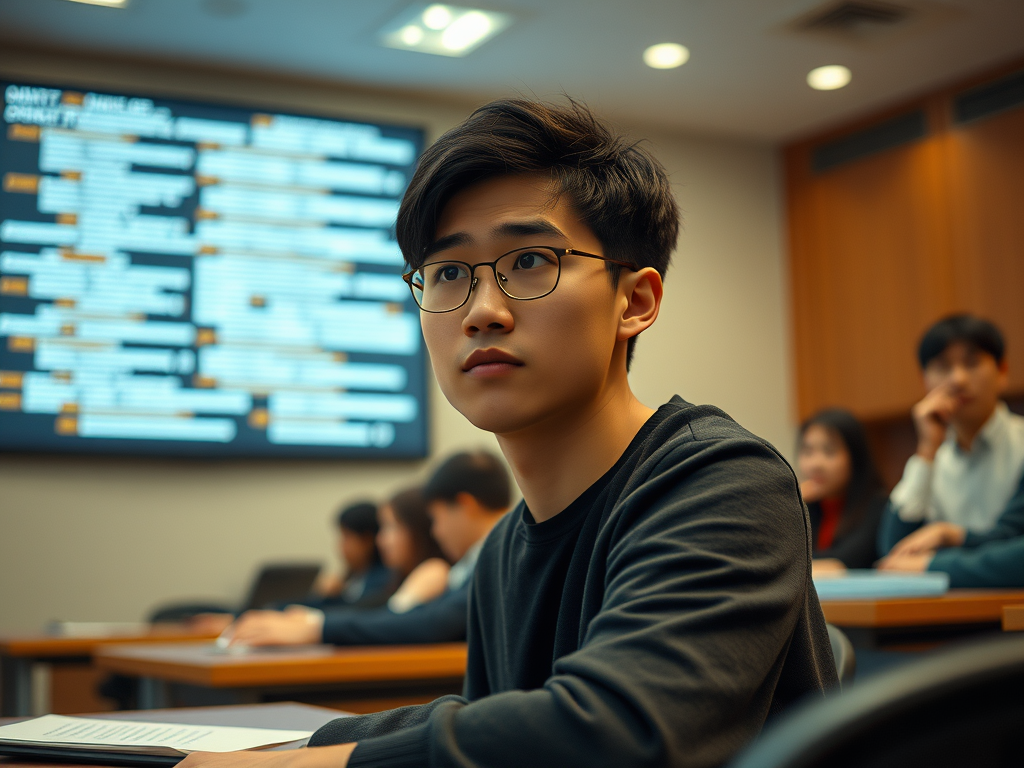
I recently spoke with my niece, who attends a university in the United States, about how extensively American college students rely on AI. To my surprise, she told me that many of her peers actively use AI for writing essays, preparing study guides, and conducting research. Professors, rather than banning this practice, seem to encourage it as part of a broader shift toward integrating technology into learning. Nonetheless, institutions remain vigilant about academic integrity, employing measures such as eye-tracking and automated exam portals that close immediately if students open unrelated tabs.
In Japan, where I teach at a university, the same trend is emerging. AI tools are readily available, making research and report writing much more accessible. The real question, however, is whether students truly “understand” the material they submit. That’s why I rarely administer conventional written exams. Instead, I provide several keywords or topics for students to investigate, asking them to compile their findings in a report. By exploring these topics in depth, they move beyond memorization and actively construct their own understanding of the subject.
In addition, I assign group reports in which students work together on a chosen theme, producing both a written document and a presentation. This collaborative approach not only fosters communication and teamwork but also ensures that students engage with the material more thoroughly. While an AI-generated report might look immaculate on paper, a presentation reveals whether a student has genuinely grasped the content. Explaining complex information in one’s own words is the surest test of true comprehension.
One thing I’ve observed is that the collaborative process often encourages students to challenge each other’s perspectives and fill in gaps that AI might overlook. Rather than simply copying and pasting from an AI-generated text, they have to critically assess the material, pose new questions, and discuss potential improvements. By combining varied backgrounds and knowledge sets, these group tasks can spark new ideas and deeper insights. In this way, human interaction and debate become essential in leveraging AI’s capabilities to their fullest extent.
Ultimately, AI should be embraced as a tool rather than treated as an adversary. While technical safeguards against cheating are necessary, we must also focus on how effectively students can interpret and apply the information AI provides. Higher education needs to evolve beyond rote memorization and toward more dynamic, student-driven learning experiences. In the AI era, finding the path to authentic learning hinges not on prohibiting technology, but on learning how to adapt, validate, and grow alongside it.
Wonsuh Song (Ph.D.)
Full-time Lecturer, Shumei University / NKNGO Forum Representative









댓글 남기기