
By Wonsuh Song
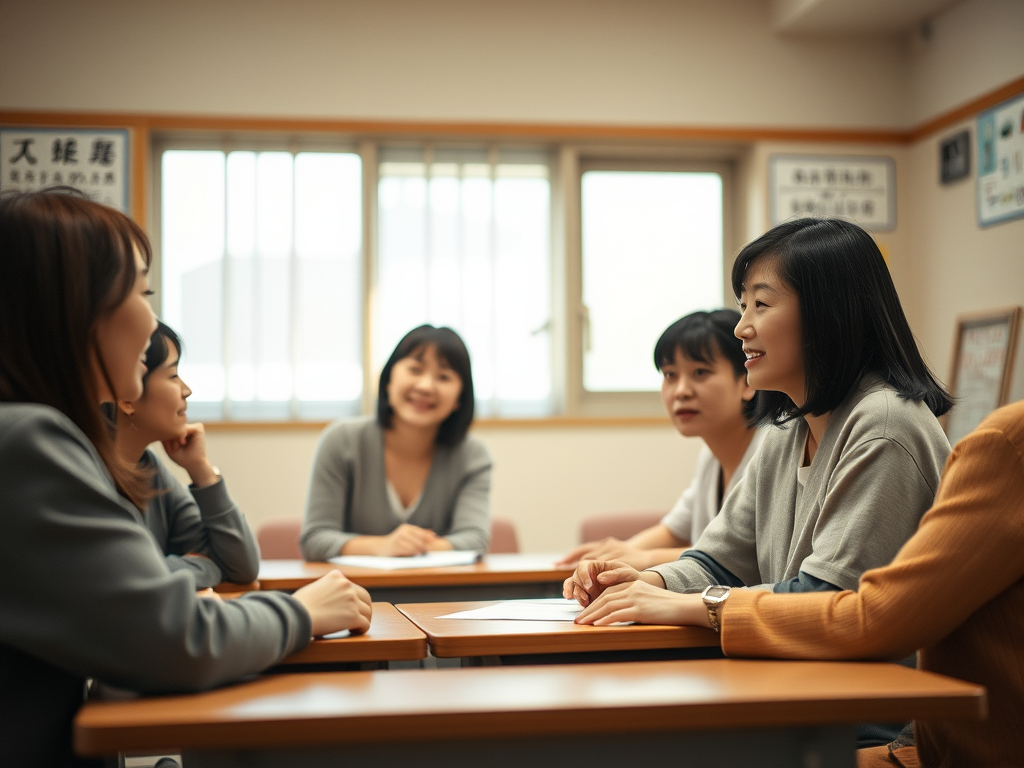
Not long ago, I attended an event at a Korean school in Japan. My children usually go to a local Japanese school, so I almost never get the chance to observe a Korean school setting—especially during special events. Seeing it firsthand, I realized how different the atmosphere was compared to Japanese schools, and I experienced what could truly be called a “culture shock.”
In Japanese schools, ceremonies like graduations, entrance ceremonies, and sports days typically follow a strict sense of order. For instance, photography is allowed only in designated areas to avoid blocking the view of those behind. Moreover, many Japanese schools strictly prohibit sharing photos or videos from these events—such as sports days or graduation ceremonies—on social media, mainly to protect student privacy and maintain discipline.
By contrast, the Korean school event I visited was far more relaxed. Parents would simply stand up from their seats to take photos, chatting and laughing with those around them, with hardly any official restrictions. From a Japanese perspective, it was surprising to witness such freedom.
Schools often reflect a country’s core cultural values in a condensed form. Where you study—and in what kind of educational environment—can greatly affect your sense of identity. This is especially relevant today, as many children have multinational backgrounds or move between different countries, leading them to ask early on, “Which country do I really belong to?”
I believe that where you graduate from high school in particular can serve as a key marker for a person’s identity. In elementary and middle school, parental influence still looms large, but by high school, students begin to form their own opinions and worldview. While college is often a conscious choice, high school usually remains part of a more structured path—making those years crucial to shaping “who you are.”
Just as Japanese and Korean schools differ significantly, crossing national borders can reveal even greater contrasts. Even within a single country, educational practices vary widely by region and institution. Recognizing and accepting these differences has become essential to respecting one another and avoiding needless conflicts in our increasingly multicultural world.
Ultimately, it’s important to acknowledge that “differences exist” and see them not as obstacles but as opportunities to learn. Even if something feels unfamiliar, an open-minded attitude—“So this is another way of doing things!”—can transform cultural friction into a source of enrichment. And the high school experience, I believe, is a critical turning point for learning to embrace that perspective.
“True understanding begins when we accept that cultural differences are a natural part of life.”
This core principle may be the key to successfully navigating the multicultural and diverse era we live in.
Wonsuh Song (Ph.D.)
Full-time Lecturer, Shumei University / NKNGO Forum Representative







댓글 남기기