
By Wonsuh Song
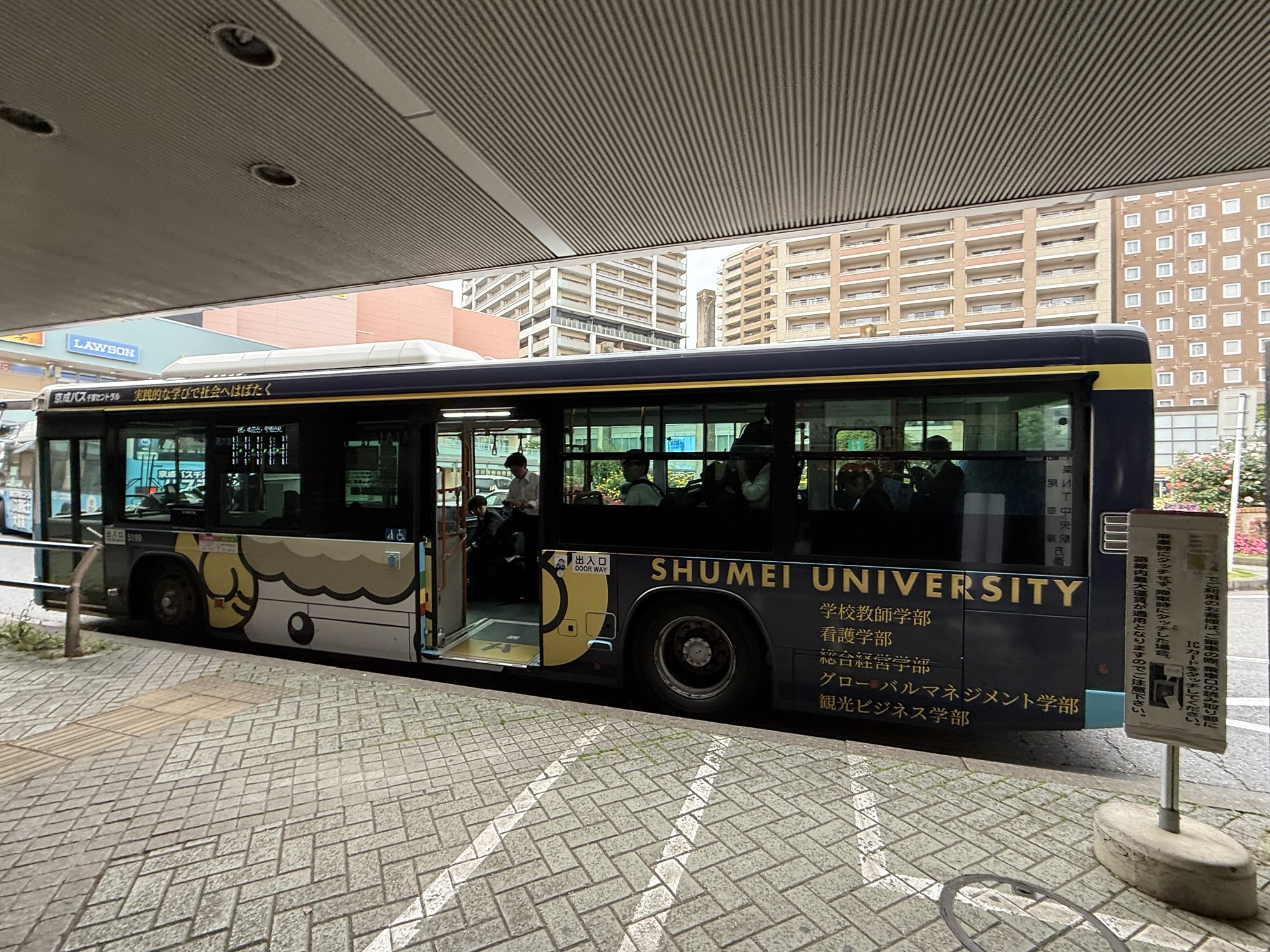
If you have hailed a taxi in Tokyo recently, you may have noticed a marked increase in women behind the wheel. It’s no different in Chiba Prefecture, where more and more local buses are being operated by female drivers. According to recent statistics in Japan, women account for 5.6% of taxi drivers, while large-truck drivers are just 2.5% female. Meanwhile, the percentage of women bus drivers has climbed to 2.9%, signaling a slow but steady shift in what has long been regarded as a male-dominated sector. In Korea, the figure for female bus drivers is only around 1–2%, so there’s clearly still a long way to go. Even so, the emergence of more women in these roles is an encouraging trend.
Historically, driving taxis, buses, or trucks has been perceived as a “man’s job.” Yet both in Japan and Korea, the shortage of drivers—particularly in the bus industry—has reached critical levels, forcing many routes to reduce service or even shut down altogether. Tapping into the female workforce can serve as a crucial strategy to mitigate this labor shortfall.
One advantage is that many women already possess the necessary driving skills, or at least have the aptitude to acquire them, but hesitate due to perceived barriers in the transport industry. Rather than hastily recruiting foreign labor or relying solely on new male drivers, it may be more efficient to help interested women step into these roles by lowering entry hurdles—offering, for instance, large-vehicle license subsidies and extended training programs.
In some cases, the industry’s image problem needs to be addressed first. Concerns about physically demanding shifts, unusual working hours, and a traditionally male-dominated workplace often deter women from even considering a career in this field. Granted, the nature of public transport involves early-morning or late-night runs, which can pose challenges to balancing work with family responsibilities. Yet, with flexible work arrangements, short-route assignments, and improved rest areas, bus and taxi companies can significantly reduce the burden on drivers.
Many local bus services in Japan, for instance, have begun to schedule more women exclusively on short-distance routes, or implement shift systems that accommodate those with childcare responsibilities. Some firms and municipalities now provide financial incentives such as grants for earning large-vehicle licenses, along with practical training programs tailored for female recruits. Such incremental changes broaden the opportunities for women to excel in these roles.
Another key factor is creating widespread awareness that “these jobs exist.” Many potential female drivers may be simply unaware that the transport sector could be a viable career path for them. Deep-rooted perceptions—such as “it’s hard work,” “it’s a men’s industry,” or “it demands too much physical strength”—discourage some women from applying. Ironically, many companies and passengers alike praise female drivers for their attentive driving styles, meticulous care, and calm handling of unexpected situations.
In Korea, the share of female drivers—whether in buses or taxis—has seen a modest uptick in larger cities. Nonetheless, organic growth will only go so far without comprehensive backing. Governments (both central and local) and transport companies need to actively reform working conditions and create policies specifically targeting female drivers—such as allowing them to opt out of night shifts, providing wage subsidies, or linking childcare support to the job. Concrete, tangible benefits will be essential to enticing more women into the field and ensuring they stay.
Ultimately, the twin challenges—addressing the chronic driver shortage in public transport and improving female employment opportunities—can converge to create new solutions. Public transportation is an indispensable service for society; in today’s climate of population aging and dwindling birth rates, the industry simply cannot afford to overlook half of the population’s talent. Increasing women’s participation and visibility in bus and taxi driving will benefit passengers, companies, and communities alike.
Far from being a mere ‘option,’ hiring more female drivers is already a practical and growing solution. And as it turns out, that solution might be nearer at hand than we think—if only we would turn our gaze toward those capable women ready to take the wheel.
Wonsuh Song (Ph.D.)
Full-time Lecturer, Shumei University / NKNGO Forum Representative











댓글 남기기