
By Wonsuh Song
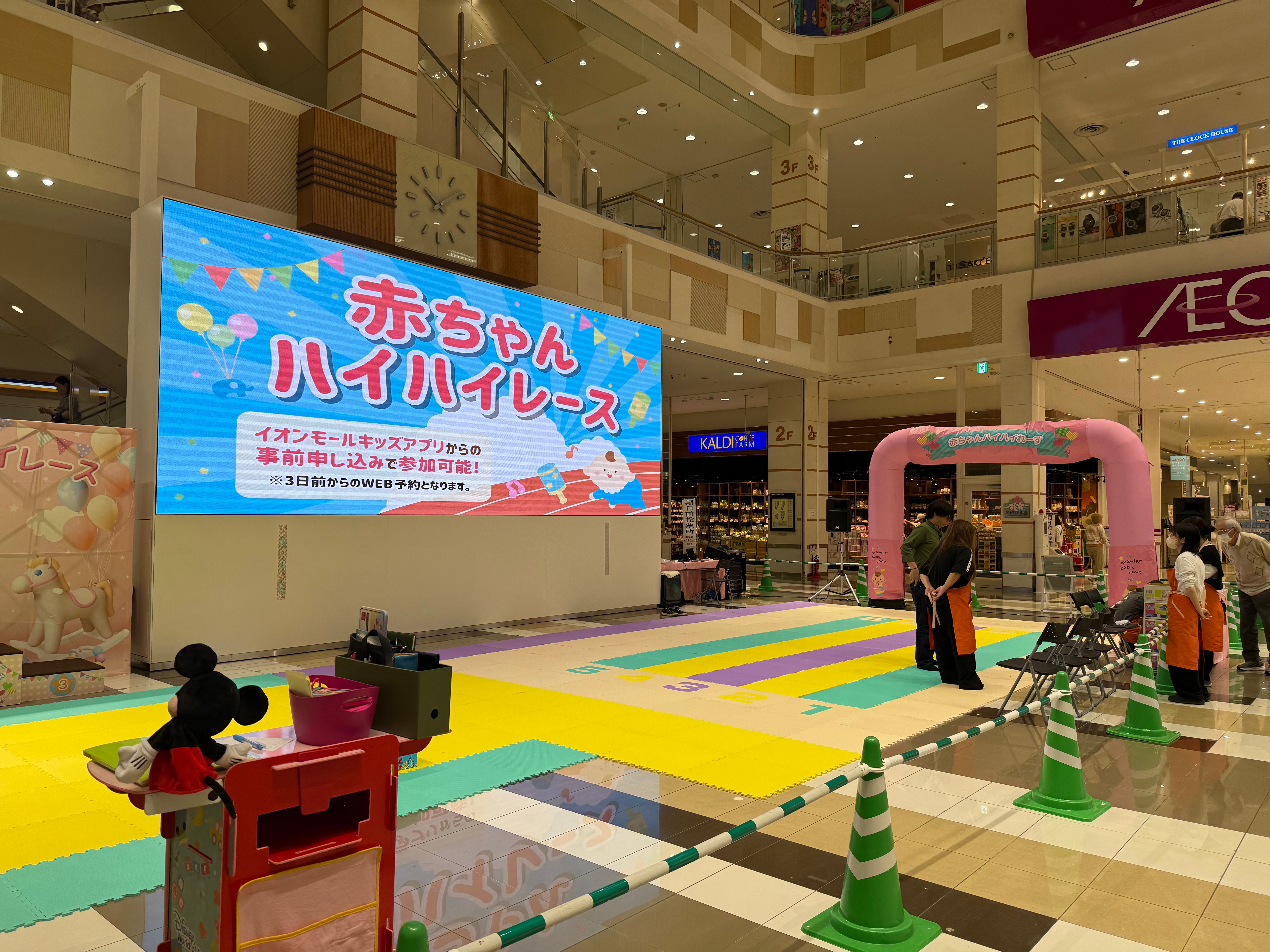
I stopped by a shopping mall near the train station and came across a fascinating scene: preparations for a “baby crawling race” were underway. The event itself hadn’t started yet, but the sight of staff members laying down a small track and setting up decorations made it easy to imagine how charming the occasion would be once it kicked off.
Japan, too, has struggled with low birth rates and an aging population for a long time. Nevertheless, efforts to create play spaces and events for parents and children, as well as municipal-led childcare services that help distribute child-rearing responsibilities across the community, are visible throughout the country. It’s heartening—and a bit envy-inducing—to see a shopping mall dedicate a section of its space to activities that allow parents and babies to enjoy time together.
This led me to think about South Korea’s own struggles with declining birth rates. People often remark that “Japan doesn’t exactly overflow with babies either,” but South Korea’s birth rate has plunged even more sharply. A simple look at data from the last decade reveals a stark contrast between the two countries. Japan’s total fertility rate (TFR) fell from 1.42 in 2014 to around 1.15, but in South Korea it dropped from 1.21 to about 0.75, overtaking Taiwan as the lowest in the world. Birth rates have shown a slight uptick recently, but they remain shockingly low, making it evident that short-term grants or child allowances alone won’t solve the problem.
What do parents actually need when raising children? Many say they need “trusted childcare facilities and home-help services.” Trying to raise kids with no support from grandparents while both parents work full-time can be more difficult than one might imagine. Some are forced to find places to drop off their children if they work late; others may give up their careers and stay home all day tackling housework and childcare. That’s enough to make many couples think twice before deciding to have a child.
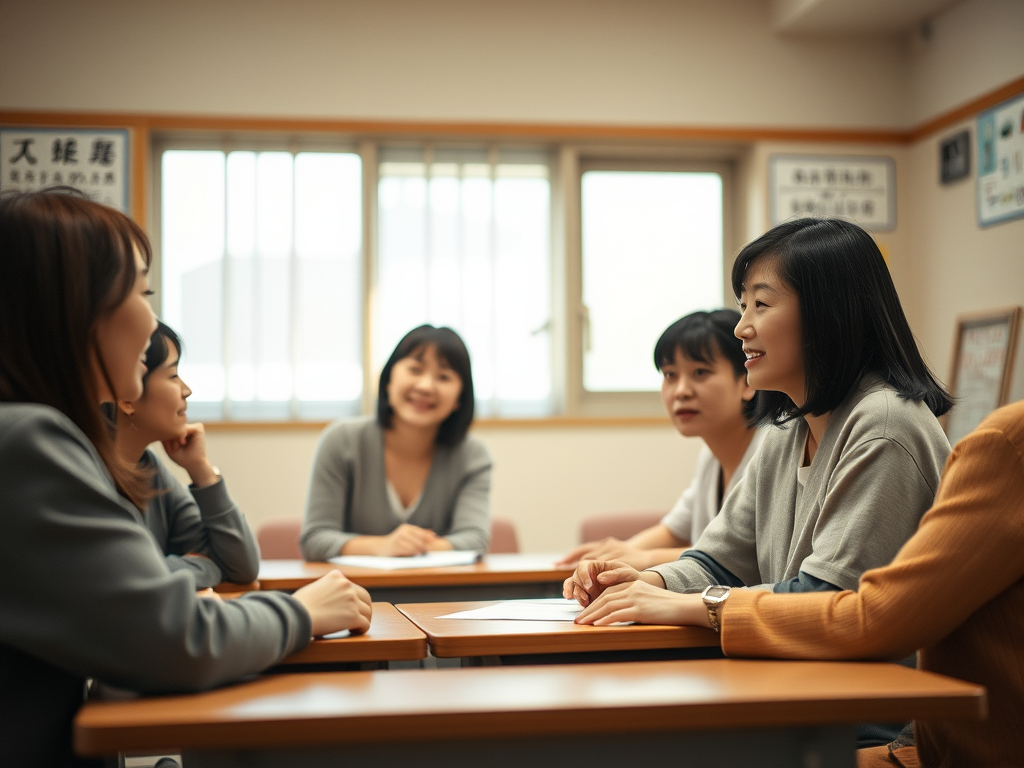
In Japan, municipalities have developed in-home childcare systems where citizens register as volunteers to assist families. Many older adults and homemakers, motivated by the desire to help and the modest remuneration, see caring for children as both a pleasurable activity and a community service. With local governments partially subsidizing costs, parents are somewhat reassured that “even if we have a baby, we’ll manage somehow.”
Ultimately, solving the low birth rate challenge depends on fostering a social atmosphere in which child-rearing isn’t viewed as a burden but rather as a shared endeavor that brings greater joy and fulfillment. While financial support is important, comprehensive childcare infrastructure—places where parents can comfortably entrust their children, accessible home-help services to ease domestic duties, and robust municipal and community-based programs—is equally essential.
Though I only caught a glimpse of preparations for the baby crawling race, the scene itself was heartwarming. Could such an event become a common weekend sight in South Korea one day? If and when that happens—if parents can watch their infants crawl across a little racetrack and feel a genuine sense of pride in having children—perhaps concerns about the birth rate might ease, if only slightly. One can only hope we soon create environments where both parents and children can shine, reminding us that raising a child can be a precious source of joy rather than an insurmountable challenge.
Wonsuh Song (Ph.D.)
Full-time Lecturer, Shumei University / NKNGO Forum Representative









댓글 남기기