
By Wonsuh Song
Faced with a declining school-age population due to the low birthrate and the need to enhance international competitiveness, Japan is accelerating reforms in higher education and expanding efforts to attract more international students. Currently, international students account for only about 3% of undergraduate enrollments in Japan, falling short of the OECD average of approximately 5%. The Japanese government aims to first reach the OECD benchmark and strengthen the foundations needed to mitigate future risks associated with population decline.
Japan began its international student recruitment policy in earnest in 1983. It successfully achieved the “100,000 students plan” by 2003 and launched the “300,000 students plan” in 2008, reaching around 300,000 international students by 2019. Although the COVID-19 pandemic temporarily decreased student numbers, they are now recovering, and the government has set a new target of welcoming 400,000 international students by 2033.
However, significant challenges remain. As of 2023, approximately 90% of international students in Japanese higher education institutions come from Asia, with Chinese students alone accounting for 46.6%—nearly half of the total. Diversifying the student body by increasing the number of students from non-Asian regions is an urgent priority for Japan’s higher education sector.
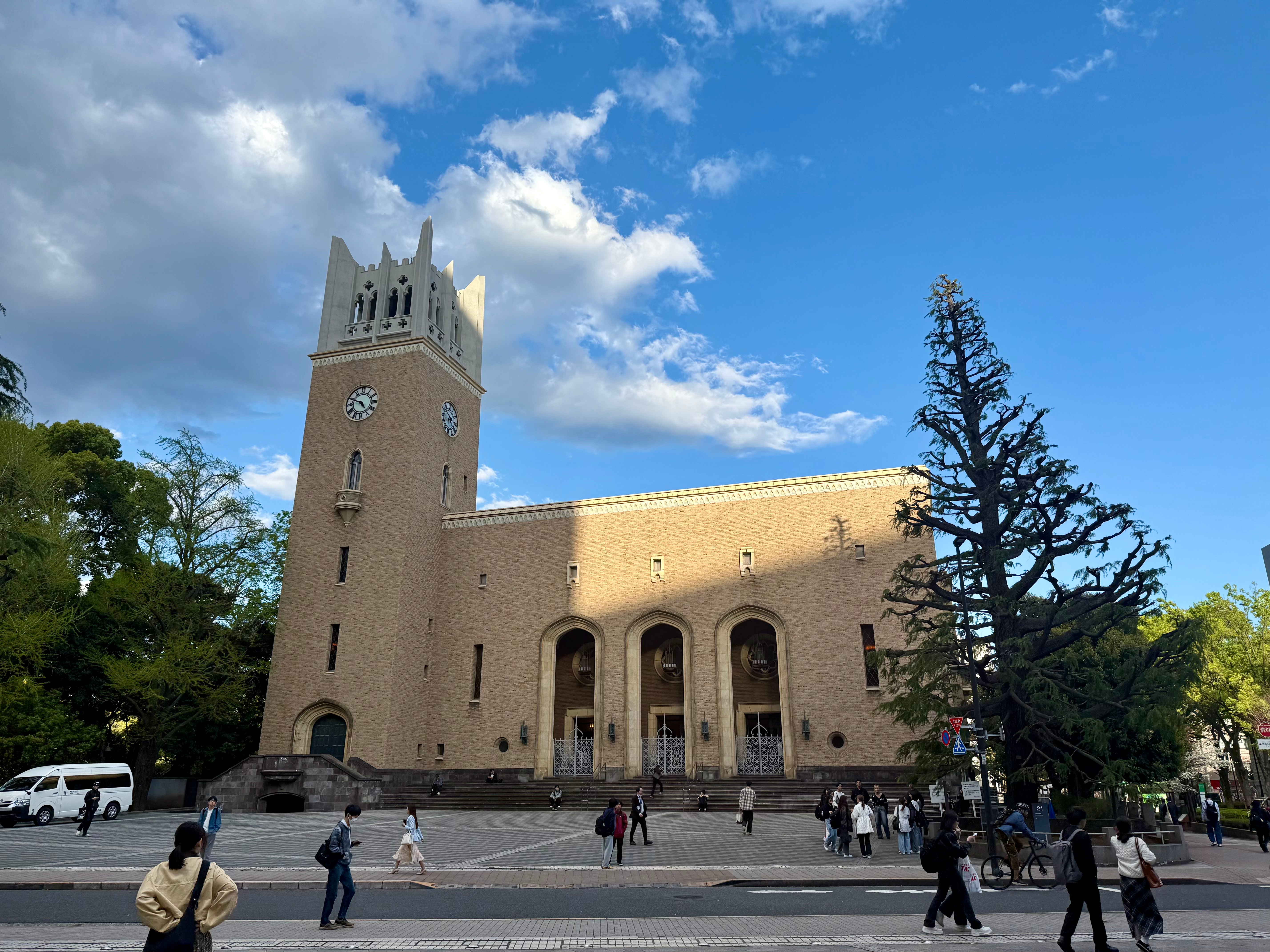
Currently, the universities with the largest number of international students are Waseda University (5,560 students), the University of Tokyo (4,658 students), and Ritsumeikan University (3,027 students). At Shumei University, where I teach, many international students are also enrolled. Although the campus has a multinational atmosphere, this alone does not equate to true internationalization.
One pressing issue is the shortage of courses taught in English and the faculty capable of delivering them. Courses offered solely in Japanese hinder international students’ academic understanding. Expanding English-taught programs is a fundamental requirement for genuine internationalization, yet it remains insufficiently addressed in many universities.
Moreover, societal perceptions of international students pose another deep-rooted challenge. In Japan, international students are still often viewed as temporary visitors. As a result, many students experience a sense of isolation not only in their academic life but also in daily living, making it difficult for them to settle in Japan even after graduation.
The Japanese government is promoting initiatives to create campuses filled with international students, including expanding English-taught classes, accommodating religious and cultural diversity (such as halal and vegetarian meal options), and enhancing housing support. Nevertheless, it is crucial that these initiatives do not remain mere slogans but take firm root throughout universities and local communities.
Meanwhile, South Korea is ahead of Japan in increasing the proportion of international students. As of 2024, South Korea hosts about 208,000 international students, representing approximately 6% of its total university enrollment. Major universities such as Hanyang University (6,612 students), Kyung Hee University (6,395 students), and Sungkyunkwan University (5,472 students) are actively recruiting international students. The South Korean government has launched the “Study Korea 300K” project, aiming to attract 300,000 international students by 2027.
South Korea is also implementing policies such as easing visa requirements, expanding support for students’ living needs, and strengthening overseas promotional activities. Nevertheless, challenges such as visa system limitations, Korean language barriers, and insufficient employment support after graduation remain prominent. Enhancing the quality of support alongside quantitative expansion is a critical task.
Japan’s population is projected to shrink to around 70% of its current size by 2065. In an era of demographic decline, international students are not merely transient visitors but invaluable human resources for both Japan and South Korea. It is essential to recognize international students as partners in building the future and to establish a comprehensive framework that supports their education, employment, and daily lives in a substantial and sustainable manner.
Internationalization must go beyond slogans. Now is the time to foster a society that grows together with international students through real and meaningful change.
Song Wonsuh (Ph.D.)
Full-time Lecturer, Shumei University / NKNGO Forum Representative











댓글 남기기